
What's Happening?
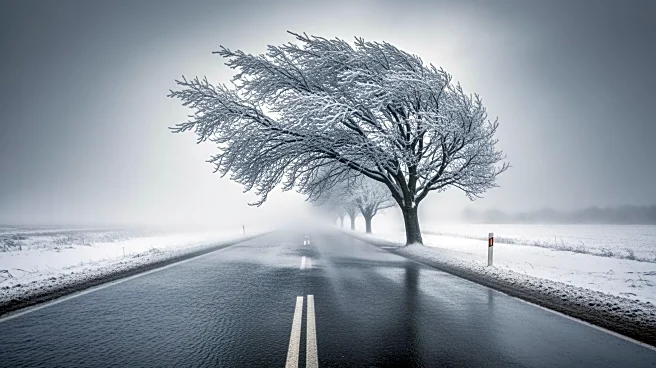
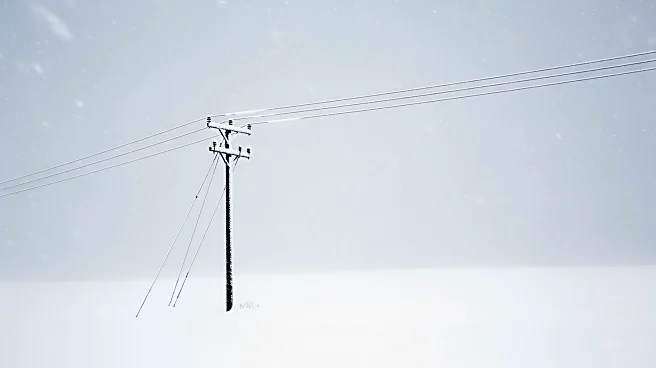
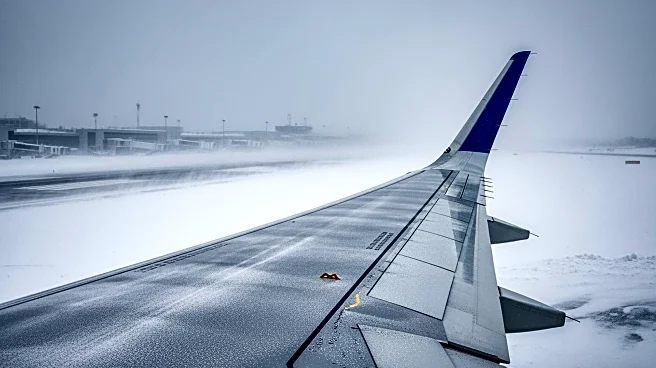
A severe blizzard has hit the Upper Midwest and Great Lakes regions of the United States, resulting in over 2 feet of snow in parts of Wisconsin and Michigan. The storm has caused significant disruptions, including power outages affecting at least 129,000
people in Michigan. Blizzard warnings have been issued across southern Minnesota, Iowa, northwestern Illinois, most of Wisconsin, and parts of northern Michigan and the Upper Peninsula. The adverse weather conditions have led to the cancellation of more than 2,600 flights nationwide, impacting travel and daily activities in the affected areas.
Why It's Important?
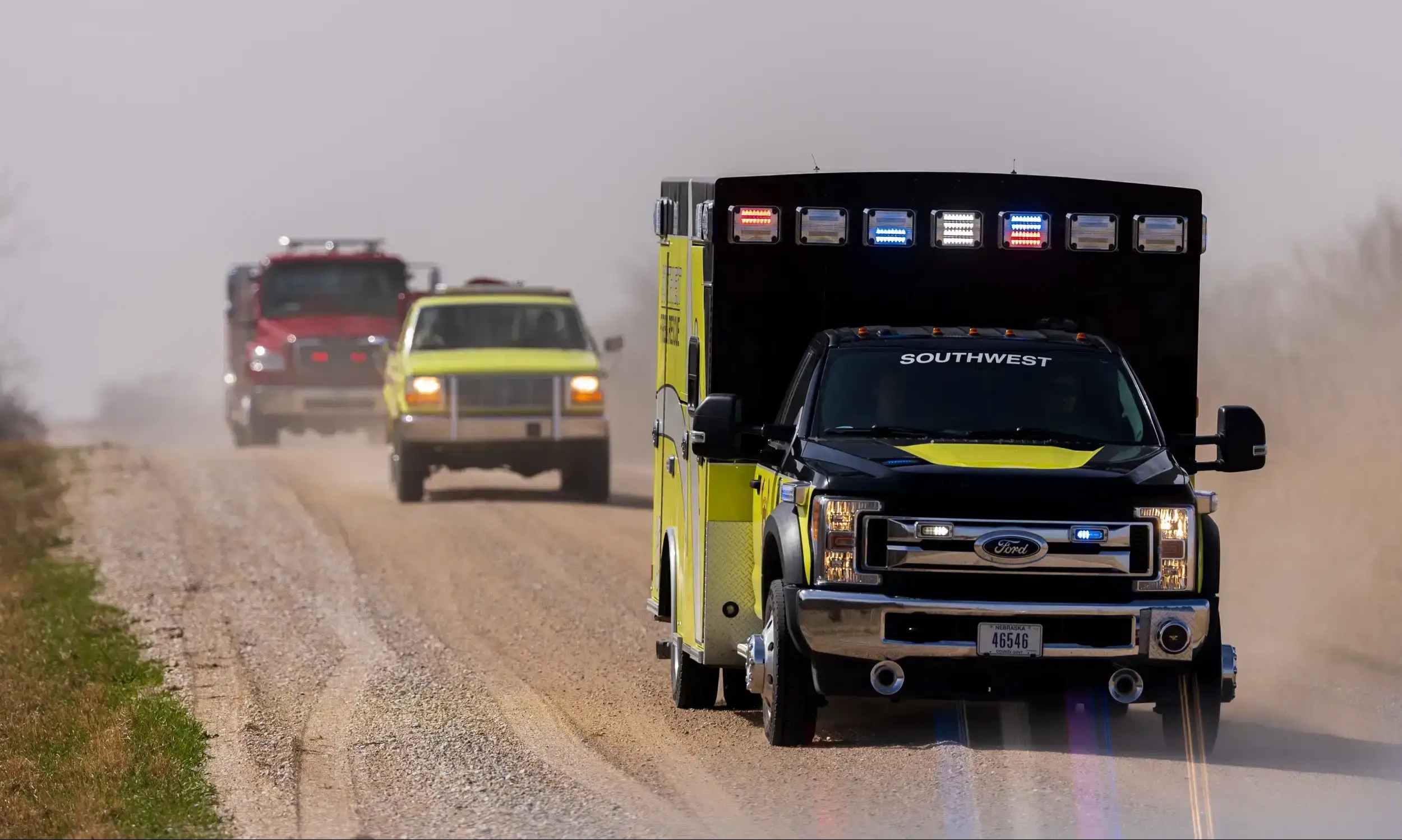
The blizzard's impact is significant as it disrupts daily life and poses challenges to infrastructure and emergency services. Power outages can lead to heating issues in homes during the cold weather, increasing the risk of hypothermia and other cold-related health problems. The cancellation of flights affects not only travelers but also the logistics and supply chains that rely on air transport. The storm highlights the vulnerability of infrastructure to extreme weather events, which are becoming more frequent and severe due to climate change. This situation underscores the need for improved preparedness and resilience in the face of such natural disasters.
What's Next?
As the storm progresses, emergency services and utility companies will focus on restoring power and clearing roads to ensure safety and accessibility. Residents in the affected areas are advised to stay indoors and avoid unnecessary travel. Authorities will continue to monitor weather conditions and provide updates to the public. The aftermath of the storm may lead to discussions on infrastructure improvements and emergency response strategies to better handle future extreme weather events.