





What's Happening?
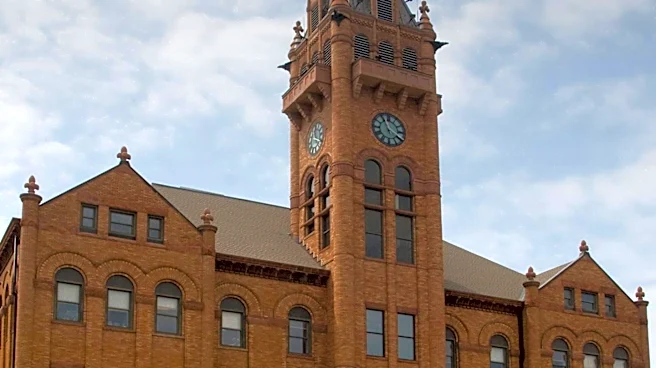
Burlington City Hall has introduced new restrictions that limit public access to the building, particularly to the third floor where the mayor's office and Community and Economic Development Office are located. A private security guard now screens visitors,
requiring appointments for entry to the third floor. The new rules, drafted by the Mulvaney-Stanak administration, also stipulate that members of the public cannot remain in city hall for more than 10 minutes without an express purpose. Prohibited behaviors include recording videos in nonpublic areas or causing annoyance, disruption, or obstruction of city business, with violations potentially leading to temporary bans. These measures were implemented following a series of disruptive visits by critics and 'First Amendment auditors' that led to city employees feeling unsafe. Mayor Emma Mulvaney-Stanak stated that the restrictions are aimed at protecting city workers, citing an increase in menacing behavior towards women in power.
Why It's Important?
These new restrictions at Burlington City Hall represent a significant shift in the balance between public access to government and the safety of public employees. While city officials argue the measures are necessary to protect staff from harassment and disruptive behavior, First Amendment advocates express concerns about potential infringements on free speech rights and public transparency. The debate highlights a growing tension in public spaces, where the exercise of free speech, particularly through video recording, can clash with the need for a safe and productive work environment for government employees. The policy could set a precedent for other municipalities grappling with similar issues, potentially influencing how public buildings manage access and speech. The situation also underscores the challenges faced by public officials, especially women, who report increased threats and aggressive behavior.
What's Next?
The effectiveness and legality of Burlington City Hall's new restrictions will likely continue to be debated. City Councilor Buddy Singh, chair of the Public Safety Committee, has questioned the committee's capacity to adjudicate appeals of bans, suggesting potential future challenges in enforcement. Council President Ben Traverse indicated that "time will tell" if the rules strike the right balance. First Amendment specialists, such as Alex Morey from the Freedom Forum, suggest that alternative approaches, like training staff on free speech rights, might be more effective than strict access limitations. The ongoing legal challenges by individuals like Eric Gravel, who has sued the city's security company and appealed his ban, could lead to judicial review of the policy's constitutionality and its impact on public access and free speech.
Beyond the Headlines
The situation in Burlington reflects a broader societal struggle to define the boundaries of free speech in an increasingly polarized and digitally connected world. The rise of 'First Amendment auditors' and the widespread use of social media for documenting public interactions have created new challenges for public institutions. This incident raises fundamental questions about the nature of public spaces, the rights of citizens to observe and record government activities, and the responsibilities of government to ensure a safe working environment for its employees. The ethical implications extend to the potential chilling effect on legitimate public oversight and criticism, as well as the risk of disproportionately impacting marginalized communities who may rely on direct access to city officials. The outcome in Burlington could influence national conversations about balancing security, transparency, and constitutional rights in public governance.