






What's Happening?
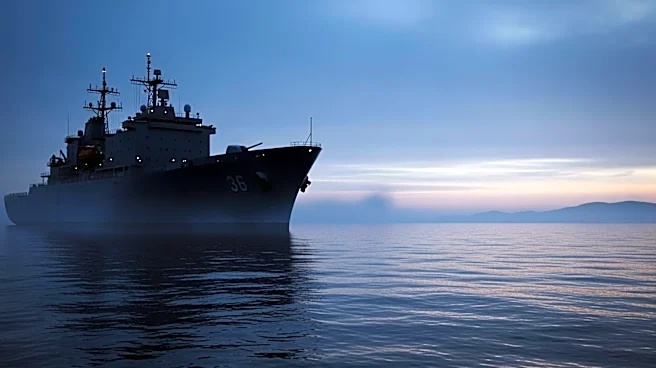
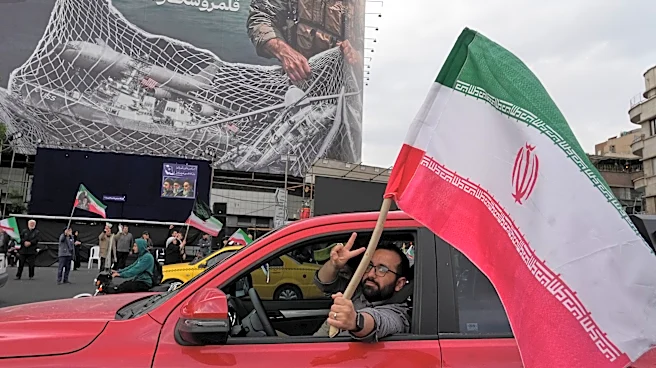
The United States has initiated a naval blockade on Iranian ports following the collapse of peace talks with Iran. This blockade is part of a broader strategy to exert pressure on Iran, whose economy heavily relies on oil and gas exports. The blockade,
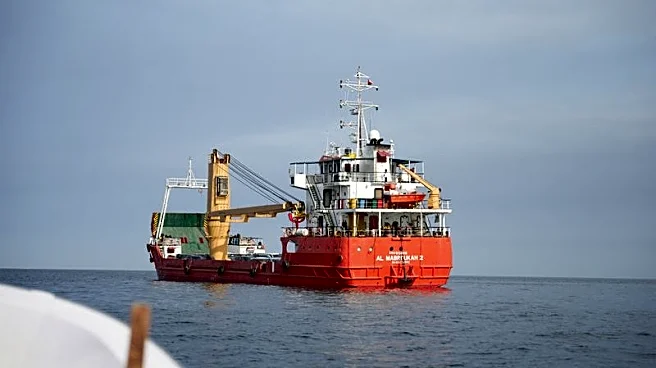
which involves a significant deployment of US military resources, aims to restrict Iran's ability to export oil, thereby impacting its economic stability. The decision comes after recent negotiations between the US and Iran failed to yield a resolution, prompting the US to take more aggressive measures. The blockade has already affected commercial shipping routes, with several vessels being turned back by US forces.
Why It's Important?
The blockade represents a significant escalation in US-Iran tensions, with potential implications for global oil markets and regional stability. By restricting Iran's oil exports, the US aims to weaken Iran's economic position, potentially forcing it back to the negotiating table. However, this move could also lead to increased volatility in global oil prices, affecting economies worldwide. The blockade may further strain US relations with other countries that rely on Iranian oil, potentially leading to diplomatic challenges. Additionally, the blockade could provoke retaliatory actions from Iran, escalating military tensions in the region.
What's Next?
The international community is closely monitoring the situation, with potential diplomatic efforts to de-escalate tensions. Countries dependent on oil passing through the Strait of Hormuz may seek alternative routes or engage in diplomatic negotiations to ensure the free flow of oil. The US may face pressure from allies and international organizations to find a peaceful resolution. Meanwhile, Iran's response to the blockade will be critical in determining the next phase of this geopolitical conflict. The situation remains fluid, with potential for further developments in the coming days.