


What's Happening?
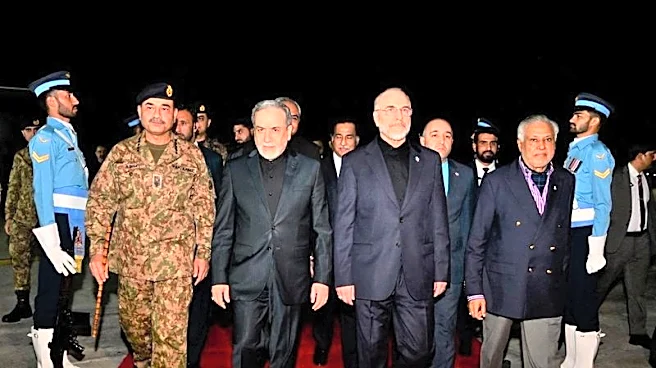
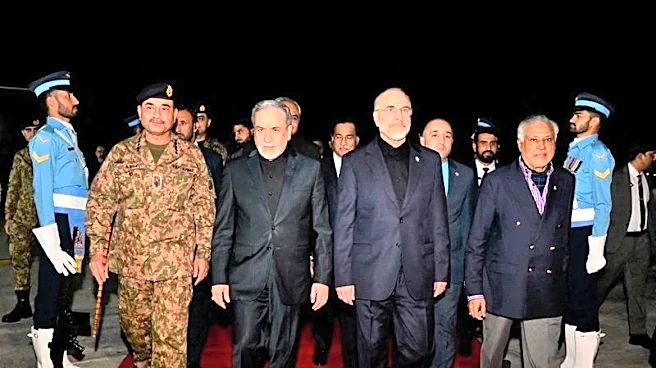
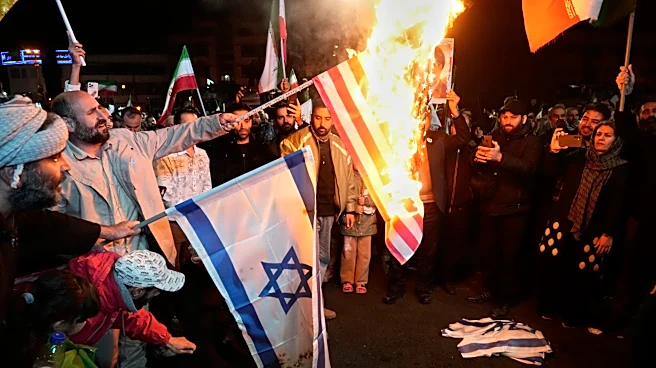
Pakistan is hosting high-level talks between the United States and Iran, aiming for a modest outcome to keep negotiations ongoing. The talks follow a Pakistan-mediated two-week ceasefire and are set to commence in Islamabad. The US delegation, led by
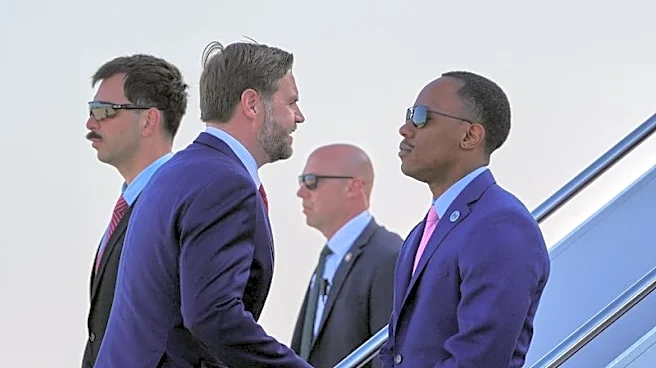
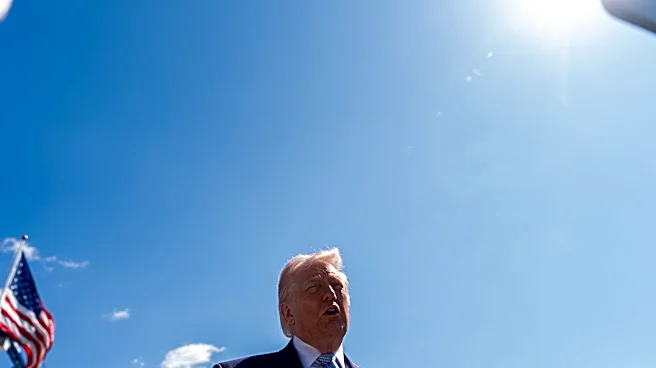
Vice President JD Vance, includes President Trump's chief negotiator Steve Witkoff and Jared Kushner. Iran's team is expected to be led by Foreign Minister Abbas Araghchi and Parliament Speaker Mohammad Bagher Ghalibaf. The negotiations are conducted in a 'proximity format,' with both delegations in separate rooms and Pakistani officials shuttling messages between them. Pakistan aims to secure an agreement for continued dialogue, despite key differences in the US and Iranian positions.
Why It's Important?
The summit is crucial for maintaining diplomatic momentum and potentially easing tensions between the US and Iran. The talks could lead to a more stable Middle East, impacting global oil markets and regional security. Pakistan's role as a mediator highlights its diplomatic capabilities and could enhance its international reputation. The negotiations are significant for US foreign policy, especially as President Trump faces pressure to resolve the conflict ahead of midterm elections. The outcome could influence Iran's economic situation, given its demands for sanctions relief and recognition of its right to enrich uranium.
What's Next?
The next steps involve navigating the demands from both sides, with Iran insisting on a ceasefire in Lebanon and the unfreezing of assets, while the US seeks commitments on Iran's nuclear program and regional activities. The talks are expected to be complex, with Pakistan mediating between the two delegations. The outcome could lead to further negotiations or a breakdown if demands are not met. The international community, including the UN and various countries, is closely monitoring the situation, hoping for a resolution that could stabilize the region.
Beyond the Headlines
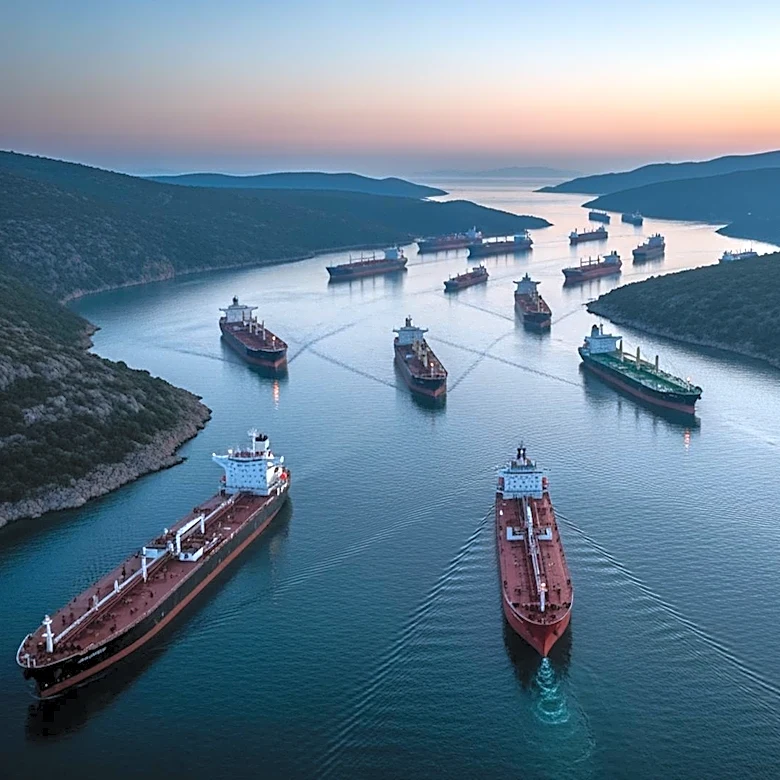
The peace talks could have deeper implications for regional alliances and power structures. Iran's control over the Strait of Hormuz and its influence in Lebanon through Hezbollah are critical points of contention. The negotiations could redefine Iran's role in the Middle East and its relations with neighboring countries. Additionally, the talks could impact global oil prices and economic stability, given the strategic importance of the Strait of Hormuz. The diplomatic efforts by Pakistan highlight its role as a mediator in regional conflicts, potentially enhancing its international standing.