








What's Happening?
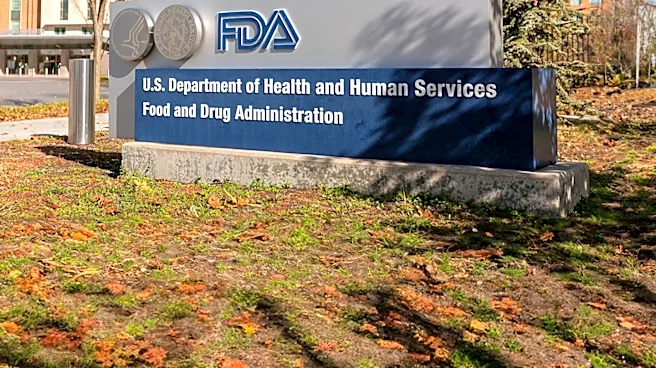
Three Rhode Island organizations, the Rhode Island Coalition for Children and Families, Community Care Alliance, and the Rhode Island Coalition Against Domestic Violence, have joined a federal lawsuit against the U.S. Department of Health and Human Services
(HHS). They are among 28 plaintiffs challenging new federal grant conditions that they claim force them to choose between their organizational missions and receiving crucial federal funding. According to the plaintiffs, these new HHS terms would restrict grantees from supporting transgender individuals, implementing diversity and inclusion practices aimed at addressing racial disparities, and utilizing Housing First strategies. The organizations describe these conditions as unlawful and vague, arguing they would compel hundreds of nonprofits and a county safety-net hospital to either compromise their core missions or lose essential financial support. This lawsuit, captioned RICCF v. Kennedy, names Robert F. Kennedy Jr., the HHS secretary, as the defendant. The ACLU Foundation of Rhode Island, the Lawyers' Committee for Rhode Island, and Democracy Forward are serving as cooperating counsel in the case.
Why It's Important?
This lawsuit highlights a significant conflict between federal policy and the operational principles of numerous non-profit organizations providing critical social and health services. If the new grant conditions are upheld, it could severely impact the ability of these organizations to serve vulnerable populations, including children, families, and survivors of domestic violence, according to the plaintiffs. The restrictions on supporting transgender individuals and implementing diversity initiatives could lead to a reduction in services for specific communities, potentially exacerbating existing inequalities. Furthermore, the challenge to Housing First strategies could undermine efforts to address homelessness effectively. The outcome of this case could set a precedent for how federal agencies can impose conditions on grant funding, potentially influencing the scope and nature of services offered by non-profits nationwide and raising questions about the balance between governmental oversight and organizational autonomy.
What's Next?
The lawsuit, RICCF v. Kennedy, will proceed through the federal court system. The plaintiffs are seeking a judicial ruling that would either invalidate or block the enforcement of the contested HHS grant conditions. This legal challenge follows a similar successful suit filed in July 2025 by the Rhode Island Coalition Against Domestic Violence and other groups, which resulted in a preliminary injunction and later summary judgment against previous HHS and HUD grant conditions related to DEI, "gender ideology," and abortion. U.S. District Judge Melissa DuBose vacated those earlier conditions, finding them arbitrary, beyond statutory authority, and likely unconstitutional. The plaintiffs in the current case are hoping for a similar outcome, arguing that the new conditions are comparable to those previously struck down. The court's decision will determine whether these organizations must alter their service delivery models or face the loss of federal funding, potentially leading to appeals from either side depending on the initial ruling.
Beyond the Headlines
This legal battle extends beyond the immediate financial implications for the involved non-profits, touching upon fundamental questions of civil rights, governmental overreach, and the autonomy of service providers. The plaintiffs' assertion that the conditions force them to 'betray' their missions underscores a deeper ideological conflict regarding the role of federal funding in shaping social services. The case could establish legal boundaries for how federal agencies can influence the operational policies of organizations that receive public funds, particularly concerning issues of gender identity, racial equity, and housing strategies. It also highlights the ongoing tension between differing interpretations of public welfare and the scope of federal authority in dictating local service provision. The outcome may influence future legislative efforts or policy changes regarding federal grants and could prompt broader discussions about the balance between national policy objectives and the diverse needs and values of local communities and organizations.