









What's Happening?
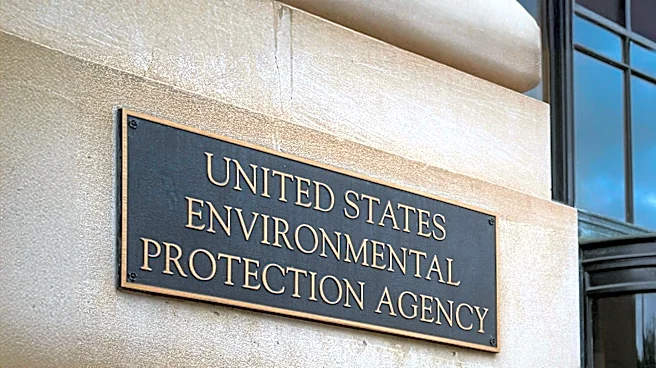
The U.S. Environmental Protection Agency (EPA) has announced a significant funding initiative, allocating over $227 million for fiscal year 2026 to improve water and wastewater infrastructure in American Indian Tribes and Alaska Native Villages. This
funding aims to enhance access to safe drinking water and improve wastewater services, ensuring compliance with the Safe Drinking Water Act and Clean Water Act. The funds will be distributed through four EPA programs, including $134 million for Drinking Water Infrastructure Grants and $71 million through the Clean Water Indian Set-Aside program. Additionally, $19 million will be allocated through the Emerging Contaminants in Small or Disadvantaged Communities Tribal Grant Program, and $3 million through the Small, Rural, and Tribal Drinking Water Assistance Grant Program. These investments are designed to address emerging contaminants, such as PFAS, and replace lead service lines where necessary.
Why It's Important?
This funding initiative is crucial for strengthening public health protections and enhancing the resilience of water infrastructure in Tribal communities across the United States. By addressing critical issues such as emerging contaminants and outdated infrastructure, the EPA's investment supports long-term sustainability and safety in these communities. The initiative reflects a commitment to cooperative federalism and the agency's Indian Policy, emphasizing collaboration with Tribal partners. The improvements in water infrastructure are expected to have a significant impact on the quality of life and health outcomes for residents in these areas, potentially reducing health risks associated with contaminated water sources.
What's Next?
The EPA will work closely with Tribal partners to implement these projects, focusing on planning, design, and construction of necessary infrastructure upgrades. As the funding is distributed, Tribal communities will begin to see improvements in their water systems, with projects aimed at enhancing both drinking water and wastewater services. The agency will likely continue to monitor the progress and effectiveness of these initiatives, ensuring that the allocated funds are used efficiently to achieve the desired outcomes. Stakeholders, including Tribal leaders and community members, will play a critical role in guiding the implementation process and ensuring that the projects meet the specific needs of their communities.