






What's Happening?
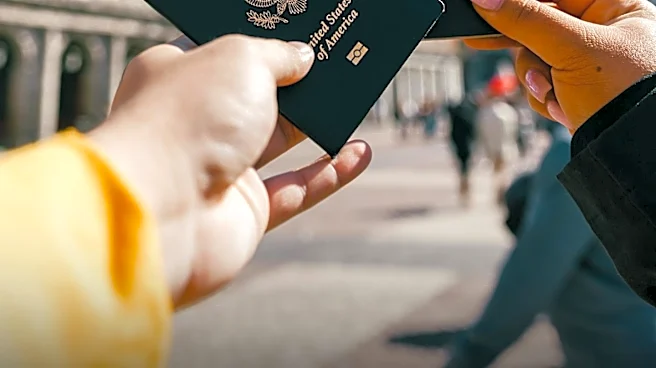
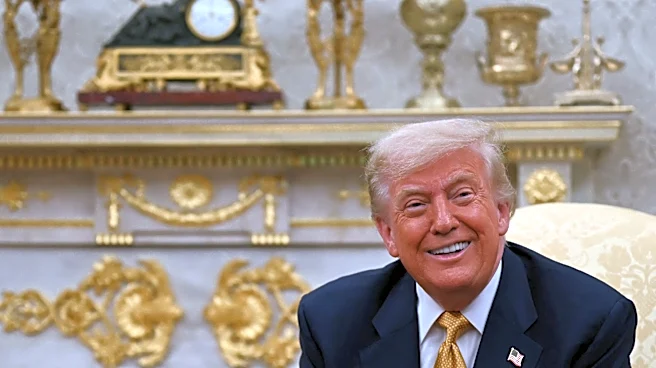
The United States State Department has announced the release of a limited-edition passport featuring an image of President Trump. This initiative is part of the 'America 250' celebration, marking the 250th anniversary of American independence. The passport includes
a page with President Trump's image and signature, alongside a depiction of the Founding Fathers signing the Declaration of Independence. The new passport design is available to any American citizen applying for a passport during the rollout period, which will continue as long as supplies last. This release coincides with the 2026 FIFA World Cup, during which the U.S. has implemented stricter vetting policies for foreign visitors, emphasizing the need for tourists and non-immigrants to respect U.S. laws and institutions.
Why It's Important?
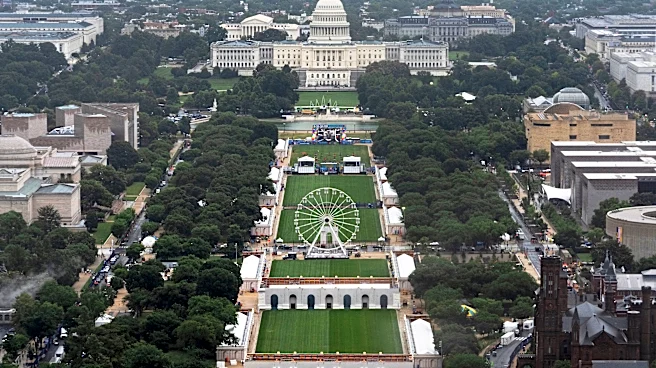
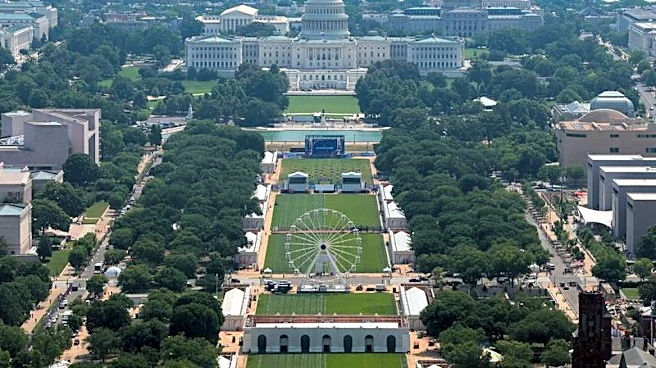
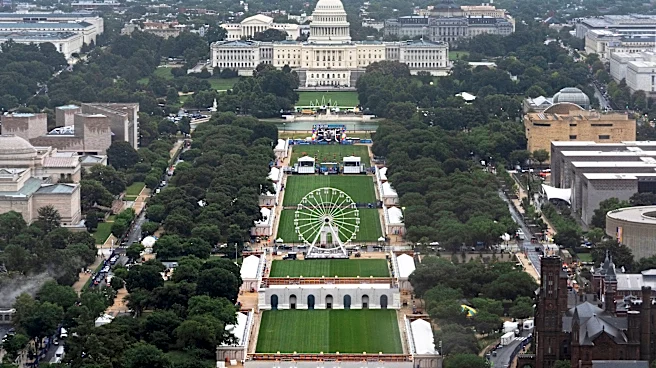
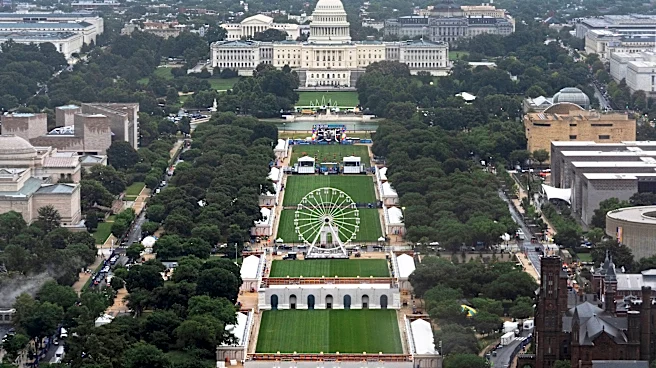
The introduction of a limited-edition passport featuring President Trump is significant as it reflects the administration's efforts to commemorate a major historical milestone, the 250th anniversary of American independence. This move is part of a broader celebration that includes high-profile events such as a Grand Prix race on the National Mall and a UFC fight on the White House South Lawn. The passport's release during the FIFA World Cup, a time when the U.S. is hosting a large number of international visitors, underscores the administration's focus on national pride and security. The stricter vetting policies for foreign visitors highlight ongoing concerns about immigration and national security, which have been central themes of President Trump's tenure.
What's Next?
As the limited-edition passports are rolled out, it is expected that they will become a collector's item for many Americans, particularly those who support President Trump. The 'America 250' celebration will continue with various events planned throughout the year, potentially drawing significant public and media attention. The administration's emphasis on stricter vetting policies may lead to further discussions and potential policy adjustments regarding immigration and visitor regulations. Stakeholders, including civil rights groups and international visitors, may respond to these developments, influencing future policy directions.