







What's Happening?
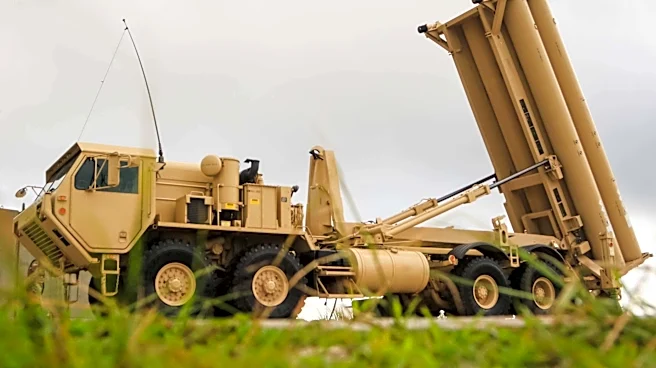
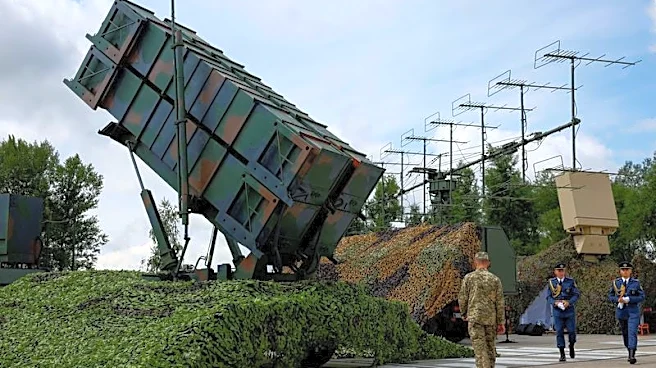
The U.S. military is facing a critical shortage of munitions, particularly Patriot and THAAD interceptors, due to ongoing conflicts with Iran. The Center for Strategic and International Studies reported that the U.S. has approximately 800 Patriot interceptors remaining
from an initial stock of 2,330. The shortage extends to other critical systems, including ATACMS and Precision Strike Missiles. This depletion raises concerns about the U.S. military's ability to sustain prolonged conflicts, especially with potential adversaries like China. President Trump has criticized media leaks about the depleted stocks, although the issue is publicly documented and monitored by external organizations.
Why It's Important?
The munitions shortage poses a significant risk to U.S. national security, particularly in the context of potential future conflicts with major powers such as China. The shortage highlights vulnerabilities in the U.S. military's ability to maintain prolonged engagements and could undermine deterrence strategies. The situation underscores the need for increased production and acquisition of munitions to ensure readiness and capability. The Trump administration has initiated agreements to acquire more cruise missiles, but the urgency of the situation demands a rapid and substantial increase in production to address the shortfall.
What's Next?
To address the munitions crisis, the U.S. must ramp up missile production to a wartime footing, leveraging new defense firms to produce cost-effective precision missiles and interceptors. The administration's agreements to acquire 10,000 cruise missiles over three years are a step in the right direction, but further actions are needed to ensure sufficient stockpiles. The military may also need to reassess its strategic priorities and resource allocation to prevent similar shortages in the future. The situation calls for immediate attention to bolster national security and maintain military effectiveness.