








What's Happening?
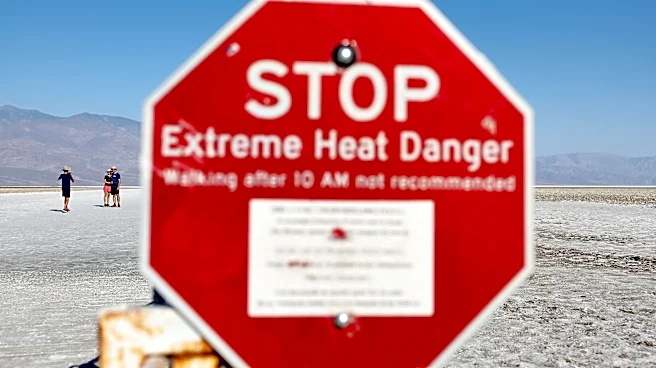
The European Banking Authority (EBA) is set to examine how banks are exposed to heat-related risks as temperature records continue to be broken across Europe. This initiative is part of a broader effort by European regulators to address the financial
sector's vulnerability to climate change. The EBA is developing methods to measure the financial impact of extreme heat, which may lead to the inclusion of heat as a separate category in routine stress tests. These tests assess banks' ability to withstand financial losses. The EBA's move comes in response to the significant economic damage caused by extreme climate events, which have resulted in over €200 billion in losses between 2021 and 2024. The upcoming stress tests will focus on flood risks, but future assessments may include heat-related scenarios.
Why It's Important?
This development is crucial as it highlights the growing recognition of climate change as a material risk to the financial sector. By incorporating heat-related risks into stress tests, regulators aim to ensure that banks are better prepared for the financial impacts of climate change. This could lead to more stringent lending conditions for companies that are heavily exposed to climate risks, potentially affecting their access to capital. The initiative also underscores the need for banks to develop robust strategies to manage climate-related risks, which could influence their long-term sustainability and profitability. As climate change continues to pose significant challenges, the financial sector's ability to adapt will be critical in mitigating economic disruptions.
What's Next?
The EBA's stress tests, which will include flood risks, are scheduled to extend into 2027. Banks are expected to respond to the EBA's proposed methodology by July 10. Additionally, EU lawmakers are set to discuss measures to protect people from heat waves and wildfires on July 8. These discussions and assessments will likely shape future regulatory frameworks and influence how banks manage climate-related risks. As the financial sector adapts to these changes, there may be increased pressure on companies to develop transition plans to lower their carbon footprint, potentially affecting their borrowing conditions.
Beyond the Headlines
The inclusion of heat-related risks in stress tests could have broader implications for the financial sector. It may lead to increased scrutiny of banks' lending practices and their exposure to climate risks. This could drive a shift towards more sustainable investment strategies and encourage banks to prioritize lending to companies with strong environmental credentials. Additionally, the focus on climate risks may prompt banks to enhance their risk management frameworks and invest in technologies that improve their ability to assess and mitigate these risks. As climate change continues to impact various sectors, the financial industry's response will be pivotal in shaping a more resilient and sustainable economy.