


What's Happening?
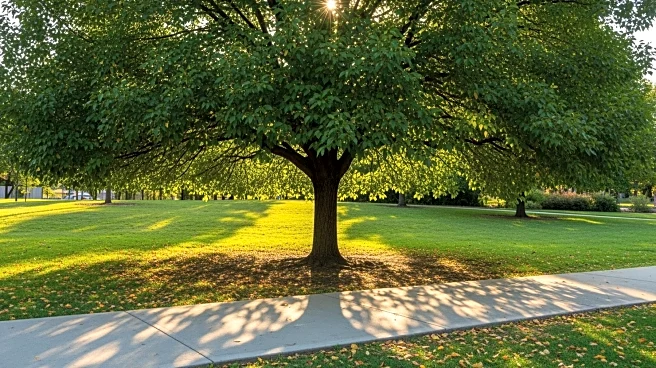
Residents of Los Angeles are calling for a reduction in pavement and an increase in shade trees to mitigate the urban heat island effect. Letters to the editor in a local publication highlight the benefits of permeable ground and large shade trees in historic
neighborhoods, which help keep areas cooler during hot months. The discussion is part of a broader conversation about urban planning and environmental resilience, spurred by a recent study from Accelerate Resilience L.A. The study suggests that nearly half of L.A. County's pavement may be unnecessary, prompting calls for more green spaces and pocket parks. Additionally, Measure W, a parcel tax on impermeable surfaces, provides a financial incentive for property owners to reduce hardscape.
Why It's Important?
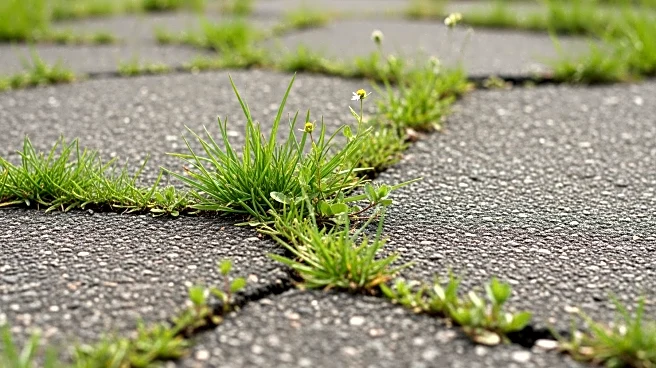
The push for less pavement and more greenery in Los Angeles is significant due to its potential impact on urban heat management and environmental sustainability. By reducing hard surfaces and increasing vegetation, cities can lower temperatures, improve air quality, and enhance the overall livability of urban areas. This movement aligns with broader environmental goals to combat climate change and promote sustainable urban development. Property owners could benefit financially from reduced taxes under Measure W, while the community at large gains from improved public health and comfort. The initiative also reflects a growing awareness and demand for environmentally conscious urban planning.
What's Next?
As the conversation around urban planning and environmental resilience continues, stakeholders such as city planners, developers, and residents will need to collaborate on implementing these changes. The development of digital tools by organizations like Accelerate Resilience L.A. could facilitate understanding and adoption of these practices. Future urban development projects may increasingly incorporate green spaces and permeable surfaces as standard practice. Additionally, public policy may evolve to further incentivize sustainable building practices and the preservation of natural landscapes within urban settings.