






What's Happening?
The European Union (EU) has pledged EUR 50 million in new funding to support conservation and tourism initiatives in Uganda. This announcement was made by Jan Sadek, EU Ambassador to Uganda, during the Uganda-EU Partnership Dialogue, which was co-chaired
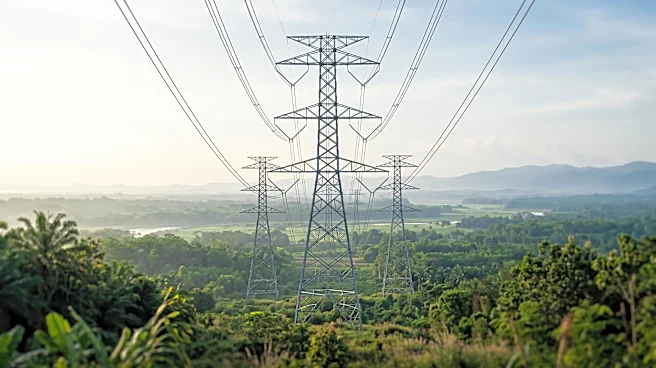
by Ugandan President Yoweri Museveni. The funding aims to bolster Uganda's development efforts and strengthen bilateral cooperation between the EU and Uganda. Discussions during the dialogue also focused on expanding investment opportunities in various sectors, including trade, agricultural processing, mineral development, renewable energy, and climate action. The EU reiterated its commitment to being a reliable partner in Uganda's development ambitions, noting that European support to Uganda over the past five decades has amounted to approximately EUR 20 billion. The partnership seeks to enhance Uganda's agricultural processing sector, with specific attention to coffee, processed agricultural products, and chocolate, to attract European investment and facilitate access to international markets. The EU is currently Uganda's largest trading partner outside of Africa, with annual bilateral trade estimated at EUR 2.4 billion, resulting in a trade surplus of approximately EUR 1 billion for Uganda.
Why It's Important?
This significant financial commitment from the EU underscores a strategic effort to foster sustainable development and economic growth in Uganda, which could have broader implications for regional stability and trade relations. By investing in conservation and tourism, the EU is supporting sectors vital for Uganda's economy, potentially leading to job creation, infrastructure development, and increased foreign exchange earnings. The focus on agricultural processing, particularly coffee and chocolate, could enhance Uganda's export capabilities and integrate it more deeply into global supply chains, benefiting local farmers and businesses. This partnership also highlights the EU's role in promoting climate action and renewable energy in developing nations, aligning with global sustainability goals. For the U.S., while not directly involved, such initiatives in East Africa can contribute to regional economic stability, which indirectly supports U.S. foreign policy objectives related to security and trade in the broader African continent. The strengthening of Uganda's economy through these partnerships could also create new avenues for U.S. businesses seeking to invest or expand their operations in a more stable and growing market.
What's Next?
Following the announcement, the EUR 50 million in funding is expected to be channeled into specific conservation and tourism projects across Uganda. This will likely involve detailed planning and implementation phases, potentially leading to calls for proposals or tenders for various initiatives. The continued dialogue between Uganda and the EU will likely focus on monitoring the progress of these projects and exploring further avenues for cooperation in trade and investment. Ugandan government agencies, in collaboration with EU representatives, will be tasked with ensuring the effective and transparent utilization of these funds. Furthermore, the emphasis on agricultural processing suggests that there will be ongoing efforts to attract European investors to Uganda's coffee and chocolate industries, potentially leading to new trade agreements and increased export volumes. The broader discussions on mineral development, renewable energy, and climate action indicate that future collaborations may extend into these sectors, fostering a more diversified economic partnership between Uganda and the EU. This could also set a precedent for other international partners to engage in similar development initiatives in the region.
Beyond the Headlines
The EU's investment in Uganda extends beyond immediate economic benefits, touching upon critical aspects of environmental stewardship and sustainable development. By supporting conservation efforts, the initiative helps protect Uganda's rich biodiversity, which is crucial for ecological balance and long-term tourism viability. This also addresses global concerns about climate change and environmental degradation, positioning Uganda as a partner in international efforts to combat these issues. The focus on agricultural processing represents a shift from raw material export to value-added production, which can significantly enhance Uganda's economic resilience and reduce its vulnerability to commodity price fluctuations. Ethically, such partnerships can promote responsible tourism and conservation practices, ensuring that local communities benefit from these sectors while preserving their cultural heritage and natural resources. This model of development, emphasizing sustainability and local empowerment, could serve as a blueprint for other developing nations seeking to balance economic growth with environmental protection and social equity.