









What's Happening?
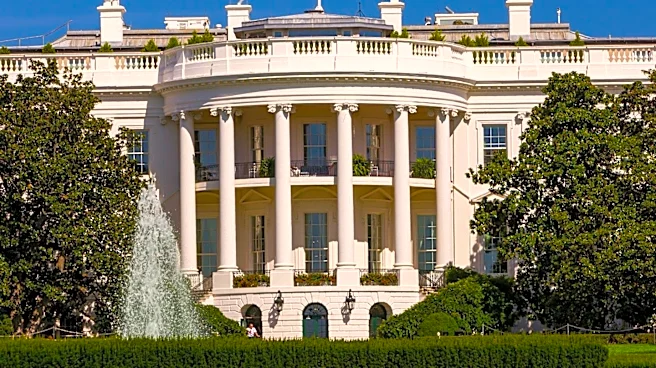
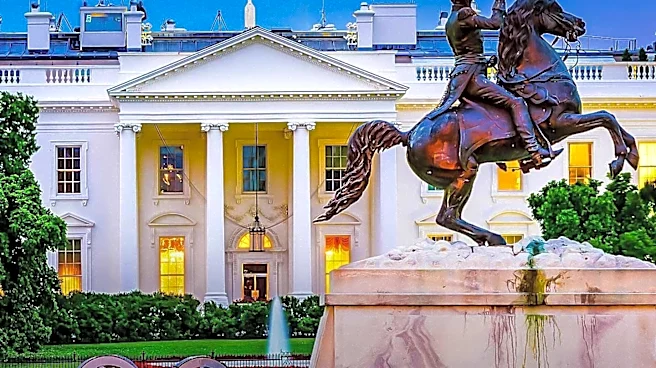
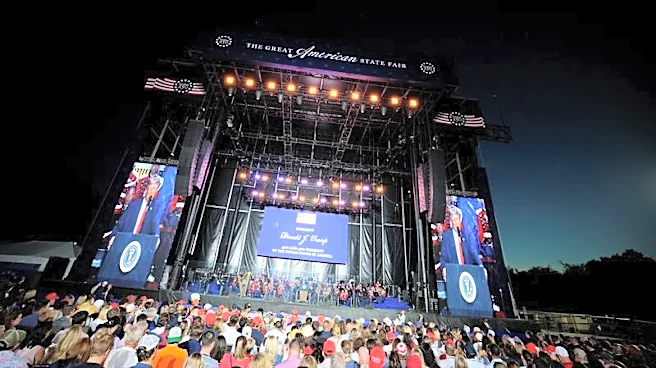
The White House, under President Trump's administration, is contemplating a significant clemency initiative to coincide with the United States' semiquincentennial celebrations. The proposal, dubbed '250 pardons for 250 years,' aims to grant presidential
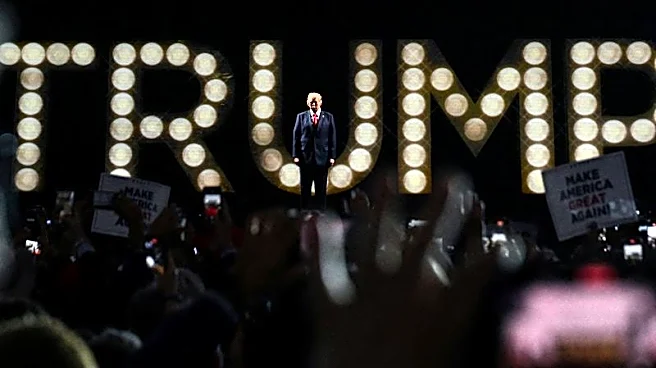
pardons as a central feature of the Fourth of July festivities. This initiative follows President Trump's previous actions, where he issued pardons or commuted sentences for nearly 1,600 individuals linked to the January 6 Capitol riot. The plan has sparked a flurry of lobbying and appeals for clemency, with various stakeholders, including lawyers and lobbyists, actively seeking to secure pardons for their clients. The White House has not yet finalized the proposal, and discussions are ongoing about its potential political implications.
Why It's Important?
The proposed mass pardon initiative is significant as it highlights the use of presidential clemency as a political tool. By potentially granting 250 pardons, the administration could reinforce President Trump's image as a merciful leader while also addressing criticisms of the justice system's perceived harshness. This move could have far-reaching implications for U.S. politics, potentially influencing public opinion and affecting the administration's standing with its base and opponents. The initiative also raises questions about the ethical and legal dimensions of using pardons in this manner, as it could be seen as an attempt to curry favor with certain groups or individuals.
What's Next?
If the proposal advances, the White House will need to navigate the political and public reactions to such a large-scale use of clemency. The administration may face scrutiny from both supporters and critics, with potential impacts on upcoming elections and legislative agendas. The decision could also influence the confirmation process for key administration officials, as Congress may react to the perceived politicization of the pardon process. The outcome of these discussions will likely shape the administration's approach to clemency and its broader political strategy moving forward.
Beyond the Headlines
The initiative underscores the broader debate about the role of presidential pardons in the U.S. justice system. It raises ethical concerns about the potential for pardons to be used as a means of rewarding loyalty or punishing political adversaries. The proposal also highlights the challenges of balancing justice reform with political considerations, as well as the potential for clemency to be perceived as a tool for political gain. This development could prompt further discussions about the need for transparency and accountability in the pardon process.