


What's Happening?
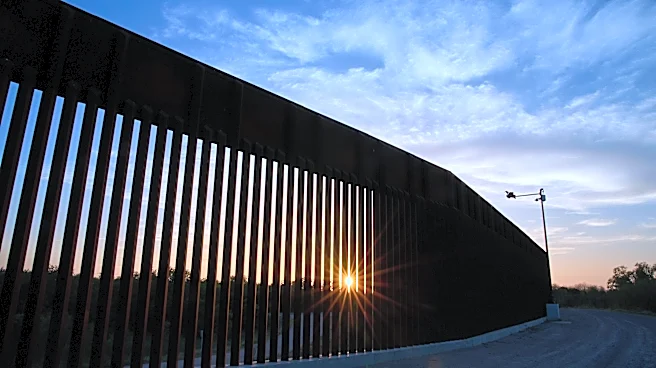
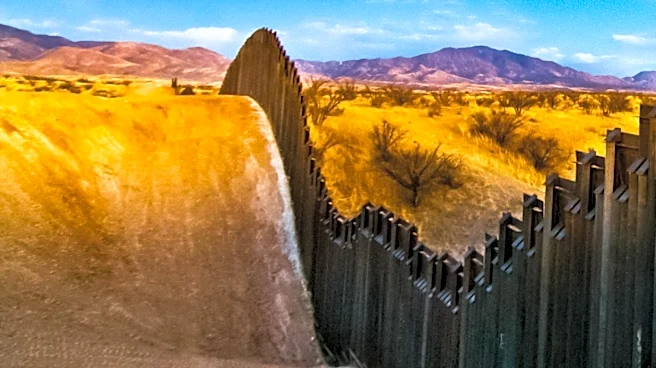
More than 140 Texas businesses, including outfitters and recreation groups, have expressed opposition to the Trump administration's plans to construct vehicle barriers and roads through Big Bend National Park. These businesses argue that the construction
would severely impact the region's tourism economy, which relies heavily on access to the Rio Grande. A letter was sent to Texas Republican Senators John Cornyn and Ted Cruz, as well as Governor Greg Abbott, urging them to halt the construction. The letter highlights that the natural landscape already provides significant barriers to illegal crossings and that the proposed construction would offer minimal additional security benefits. The opposition is supported by local officials, law enforcement leaders, and former park superintendents, who have also voiced concerns over the environmental and economic impacts.
Why It's Important?
The proposed border barriers could have significant economic repercussions for the Big Bend region, which depends on tourism related to outdoor recreation. The construction could disrupt access to key river points, affecting businesses that rely on river-running activities. The economic stakes are high, as Big Bend National Park attracts hundreds of thousands of visitors annually, contributing millions to the local economy. The opposition to the barriers reflects broader concerns about federal border strategies that may not consider local geographical and economic contexts. The issue also highlights tensions between federal security measures and local economic interests, with potential implications for policy decisions affecting border regions.
What's Next?
The businesses and local officials are calling for a reconsideration of the border strategy, advocating for the use of technology over physical barriers. They are urging Texas leaders to amend existing contracts and push for the rescission of legal waivers that facilitate construction. The outcome of these efforts could influence future border security policies and the balance between national security and local economic interests. The ongoing debate may also impact political dynamics in Texas, as local stakeholders seek to protect their economic livelihoods while addressing security concerns.