
What's Happening?
The International Energy Agency (IEA) is set to propose the release of 400 million barrels of oil from its reserves, aiming to curb the soaring prices caused by the ongoing conflict involving Iran. This proposal, if approved, would more than double the previous
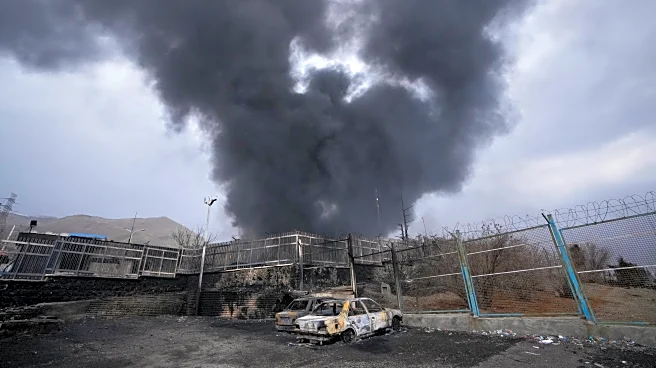
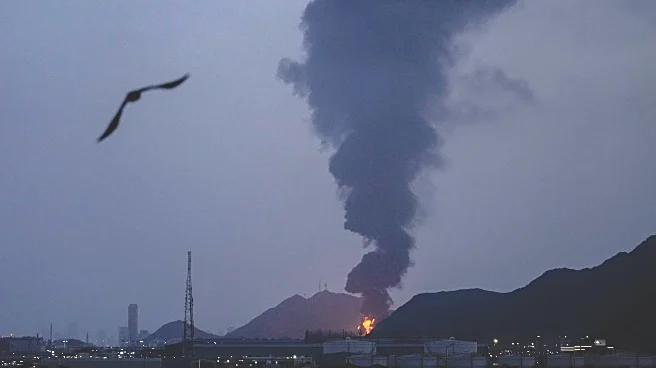
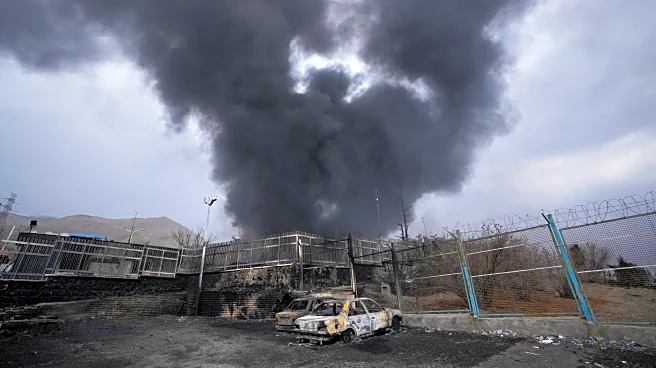
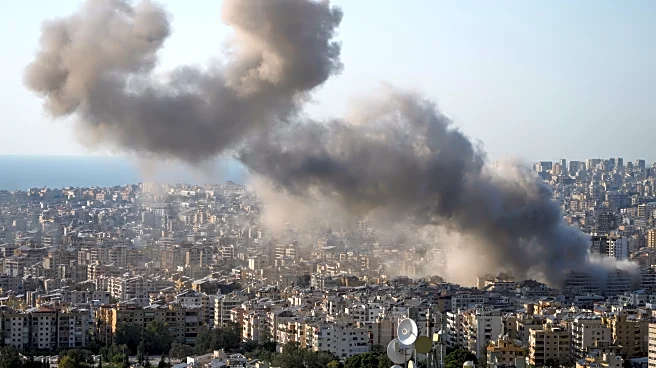
record release of 182 million barrels in 2022, following Russia's invasion of Ukraine. The IEA's 32 member countries are expected to make a decision on this proposal ahead of a G7 leaders' meeting chaired by France. Since the conflict began on February 28, oil prices have surged by as much as 40%, prompting concerns about global energy stability.
Why It's Important?
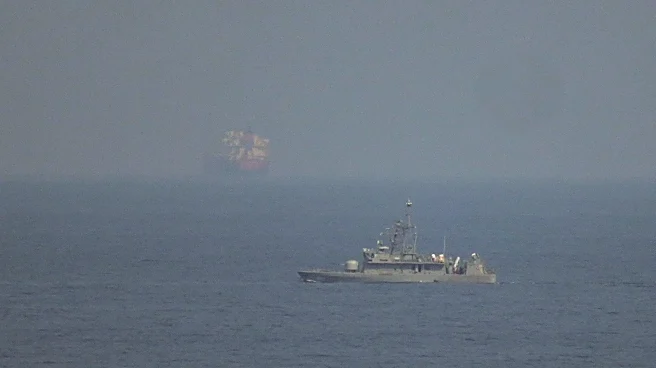
The proposed release of oil reserves by the IEA is a critical measure to stabilize global oil markets amid the geopolitical tensions in the Middle East. The conflict has already led to significant disruptions in oil supply, with prices escalating rapidly. The IEA's action reflects the urgency to address potential supply shortages and mitigate economic impacts. This move is particularly significant for countries heavily reliant on oil imports, as it could help prevent further economic strain. The decision also underscores the interconnectedness of global energy markets and the need for coordinated international responses to geopolitical crises.
What's Next?
The IEA's proposal will be closely scrutinized by its member countries, with a decision expected soon. The outcome will likely influence global oil prices and market stability. Additionally, the G7 leaders' meeting will provide a platform for discussing broader strategies to manage the conflict's impact on energy markets. The IEA may also engage with non-member countries like China and India to explore further collaborative efforts. The effectiveness of the reserve release will depend on the conflict's progression and the ability to secure alternative supply routes.