


What's Happening?
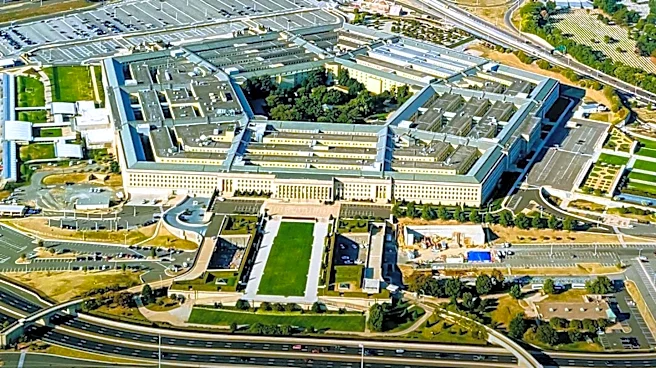
U.S. Representative Thomas Massie, a Republican from Kentucky, has introduced eight articles of impeachment against Defense Secretary Pete Hegseth. The impeachment effort stems from Hegseth's handling of the war with Iran. Massie's resolution carries
special procedural powers, which initiated a legislative clock requiring GOP leaders to schedule a vote on the matter. However, reports indicate that Republicans have found a way to postpone this vote by sending members home early for a seven-week campaigning recess ahead of the midterm elections, pushing the vote until after November. Massie has been a vocal critic of the Trump administration and previously lost his re-election bid to a candidate backed by President Trump. He asserts that Hegseth has demonstrated actions grossly incompatible with his duties and the rule of law, posing a threat to the Constitution.
Why It's Important?
This move by Representative Massie highlights significant internal divisions within the Republican party, particularly concerning foreign policy and the accountability of cabinet members. The attempt to impeach a Defense Secretary, especially from within the same party, underscores deep-seated disagreements over the administration's military engagements and the extent of executive power. If the impeachment vote were to proceed, it could set a precedent for increased congressional oversight and challenges to presidential authority in military matters. The postponement of the vote also reveals strategic maneuvering by GOP leadership to avoid potentially damaging internal conflicts before a critical election, indicating the political sensitivity of the issue. This situation could impact public perception of the Republican party's unity and its approach to national security, potentially influencing voter sentiment in the upcoming midterms.
What's Next?
The impeachment vote against Defense Secretary Pete Hegseth has been postponed until after the November midterm elections. This delay suggests that GOP leadership aims to mitigate any immediate political fallout that a contentious vote might cause. Following the elections, the resolution will likely be brought to the floor, potentially reigniting debates within the Republican party and Congress at large. The outcome of the midterm elections could significantly influence the political landscape and the viability of Massie's impeachment effort. Depending on the new composition of Congress, the resolution could gain more or less traction. Stakeholders, including other lawmakers, the Defense Department, and the public, will be watching to see if the impeachment articles proceed to a full vote and what implications that might have for the Secretary's tenure and the administration's foreign policy.
Beyond the Headlines
Representative Massie's actions reflect a broader tension between congressional oversight and executive authority, particularly in matters of war and defense. His consistent criticism of the Trump administration, despite being a fellow Republican, points to a faction within the party that prioritizes constitutional checks and balances over party loyalty. The specific allegations against Defense Secretary Hegseth, including firing high-ranking military leaders and diminishing the role of women in the military, raise questions about the integrity and direction of the armed forces under the current administration. This internal challenge could signal a growing demand for transparency and accountability within the executive branch, potentially leading to long-term shifts in how Congress asserts its role in national security decisions and cabinet appointments. The episode also highlights the evolving dynamics of political dissent within major parties.