



What's Happening?
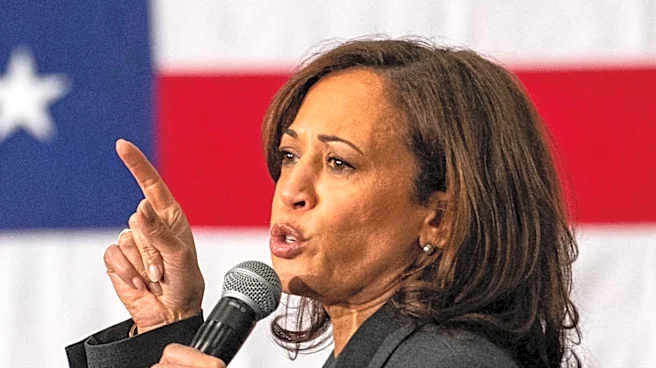
The Democratic Party is experiencing significant internal divisions as it approaches the upcoming midterm elections. This rift is primarily between the party's progressive and moderate factions, highlighted by recent primary outcomes. In New York, progressive candidates
like Darializa Avila Chevalier have defeated established incumbents, signaling a shift towards more left-leaning policies. Similar trends are observed in other states, with progressive candidates gaining ground. This internal struggle is further complicated by differing views on foreign policy, particularly regarding U.S. support for Israel. The party's leadership is concerned about maintaining unity to effectively counter Republican policies and regain control of Congress.
Why It's Important?
The divisions within the Democratic Party could have significant implications for its ability to present a unified front in the midterm elections. A lack of cohesion may weaken the party's electoral prospects, particularly in swing states where moderate policies might appeal more to undecided voters. The outcome of these internal battles could also influence the party's legislative agenda, potentially shifting it towards more progressive policies. This realignment might affect key issues such as healthcare, economic reform, and foreign policy, impacting the party's ability to attract a broad voter base.
What's Next?
As the midterms approach, the Democratic Party will need to address these internal divisions to maximize its chances of electoral success. This may involve finding common ground between progressive and moderate factions and developing a cohesive platform that appeals to a wide range of voters. The party's leadership will likely focus on unifying themes and policies that can bridge the gap between different factions. Additionally, the party will need to strategize on how to effectively counter Republican narratives and policies, particularly in key battleground states.