



What's Happening?
The Trump administration's proposal to rescind the Roadless Area Conservation Rule has sparked significant debate. This rule, established in 2001, restricts road construction and timber harvesting in designated roadless areas of national forests. A recent
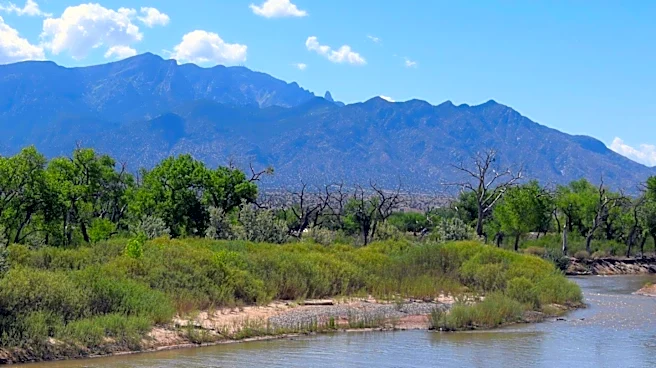
study highlights that these areas are crucial for protecting watersheds that supply drinking water to 25 million Americans. The USDA has stated that the proposed changes do not authorize immediate tree-cutting or road construction, emphasizing that any future actions would comply with existing forest plans and federal laws. However, environmental groups argue that removing these protections could lead to increased pollution and fire risks, affecting water quality and biodiversity.
Why It's Important?
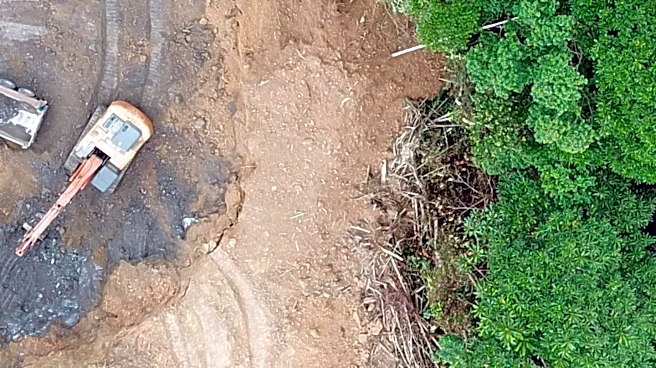
The potential rescission of the Roadless Rule could have far-reaching implications for environmental conservation and public health. These protected areas play a vital role in maintaining water quality for millions of Americans. The proposal has raised concerns about prioritizing economic activities, such as logging, over environmental and public health protections. If the rule is rescinded, it could lead to increased sediment in water supplies, higher costs for water treatment, and a loss of biodiversity. The debate underscores the tension between economic development and environmental stewardship, with significant consequences for communities relying on these watersheds.
What's Next?
The USDA is preparing a Draft Environmental Impact Statement (DEIS) to assess the potential impacts of rescinding the Roadless Rule. Once released, there will be a public comment period, allowing stakeholders to express their views. Environmental groups are likely to continue advocating for the protection of these areas, potentially seeking legislative action to secure permanent protections. The outcome of this process will be closely watched by environmentalists, policymakers, and communities dependent on these watersheds for clean drinking water.