









What's Happening?
Autistic children in the U.S. face a significantly higher risk of drowning compared to their peers, with their risk being up to 160 times greater. This increased risk is attributed to autistic children's strong attraction to water and challenges in accessing
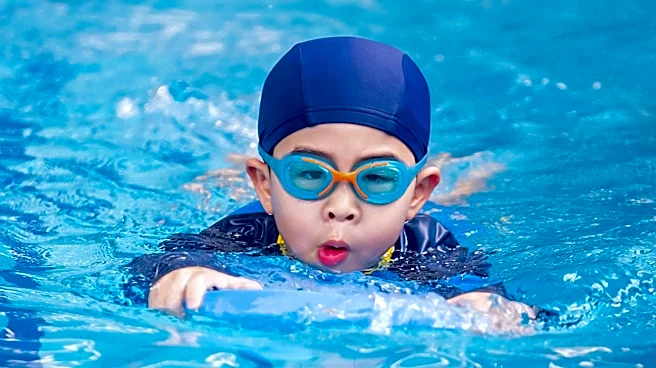
suitable swimming lessons. Traditional swim classes may not meet the unique needs of autistic learners, who may require adaptive lessons with individualized attention. These lessons often incorporate play-based approaches and sensory strategies to help autistic children feel comfortable and succeed in learning water safety skills.
Why It's Important?
The high drowning risk for autistic children underscores the need for tailored educational programs that address their specific learning and sensory needs. Providing adaptive swim lessons can significantly reduce the risk of drowning and improve safety for autistic children. This issue highlights broader challenges in ensuring that public safety programs are inclusive and accessible to all children, regardless of their abilities. Addressing these challenges can lead to improved safety outcomes and greater awareness of the needs of autistic individuals.
What's Next?
Efforts to expand access to adaptive swim lessons for autistic children are likely to continue, with advocacy from therapists, educators, and parents. Community-based programs, such as those offered by the YMCA and local recreation departments, may increase their offerings of specialized swim instruction. Additionally, there may be increased collaboration between swim instructors and therapists to develop effective teaching strategies. Raising awareness about the importance of water safety for autistic children could lead to policy changes and increased funding for adaptive programs.