







What's Happening?
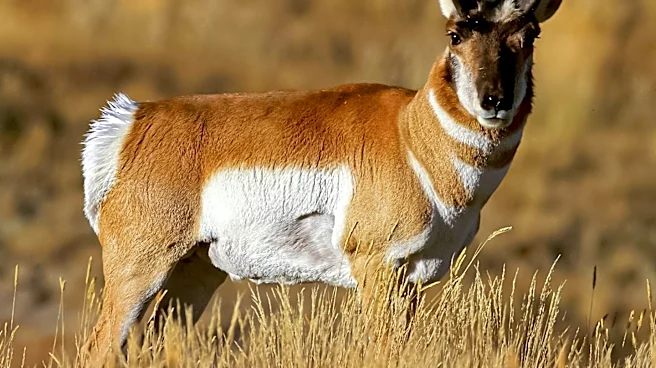
A significant number of pronghorn in Wyoming's Sublette Herd have died from suspected malnutrition during the peak summer months, a period when these animals are typically in good condition. Brandon Scurlock, wildlife management coordinator for the Wyoming Game
and Fish Department’s Pinedale Region, reported that 14% of the 50 GPS-collared pronghorn he monitors perished within a six-week span. These deaths occurred in low-elevation areas, and all seven of the collared animals that died were non-migratory, meaning they resided year-round on winter ranges. Investigations revealed that the marrow in the femurs of the deceased animals was red and gelatinous, indicating poor health, rather than the healthy off-white and firm marrow. This suggests severe malnutrition. The primary cause is believed to be the exceptionally parched vegetation in these areas, resulting from the warmest, least-snowy winter on record and subsequent severe drought and record late-summer heat. Terrestrial habitat biologist Troy Fieseler observed 'large-scale mortality' of antelope bitterbrush, a crucial winter browse species, with up to 90% of shrubs dead in some locations and minimal growth on live plants.
Why It's Important?
The widespread deaths of pronghorn due to malnutrition highlight the severe ecological impact of climate change and extreme weather events on Wyoming's wildlife. The loss of a significant portion of the Sublette Pronghorn Herd, particularly non-migratory individuals, indicates a vulnerability within the ecosystem that could have long-term consequences for the species' population dynamics. This situation underscores the critical importance of healthy vegetation and water resources for wildlife survival, especially during periods of environmental stress. The findings also raise concerns about the resilience of other wildlife populations in the region, as the same environmental conditions affect multiple species. For conservation efforts, this event emphasizes the need for adaptive management strategies that account for increasingly frequent and intense drought conditions. It also brings into focus the interconnectedness of climate, vegetation health, and wildlife well-being, impacting the state's natural heritage and potentially its tourism and hunting industries.
What's Next?
Wildlife management officials will likely continue to monitor the Sublette Pronghorn Herd and other wildlife populations closely, especially as winter approaches. The lack of sufficient forage during the summer suggests that animals may enter winter in poor condition, potentially leading to further mortalities. The Wyoming Game and Fish Department may explore interventions such as habitat restoration projects, supplemental feeding in critical areas (though often controversial), or adjustments to hunting quotas to help populations recover. Researchers will likely continue to study the long-term effects of drought and heat on vegetation and wildlife, informing future conservation strategies. The incident may also prompt increased public awareness and policy discussions regarding climate change mitigation and adaptation efforts to protect Wyoming's natural resources. The productivity data showing a surprisingly high fawn ratio this year offers a glimmer of hope, but their survival through the winter remains a critical factor.
Beyond the Headlines
The pronghorn deaths in Wyoming serve as a stark indicator of the broader ecological crisis unfolding due to climate change. While the immediate cause is malnutrition, the underlying factors of record heat and severe drought point to systemic environmental degradation. This event highlights the concept of 'climate refugees' within animal populations, where non-migratory animals, unable to adapt to rapidly changing local conditions, face heightened risks. It also brings into question the effectiveness of current land management practices in the face of unprecedented environmental shifts. The situation could trigger deeper conversations about the economic implications for states heavily reliant on wildlife-related tourism and recreation, as declining animal populations could impact these sectors. Furthermore, it underscores the ethical responsibility of human societies to address climate change and protect biodiversity, as these events represent a tangible loss of natural heritage and ecological balance.