











What's Happening?
Starting July 1, Medicare will begin covering GLP-1 medications for weight loss under a new pilot program called Medicare GLP-1 Bridge. This initiative marks the first time Medicare will subsidize drugs prescribed solely for obesity, expanding access
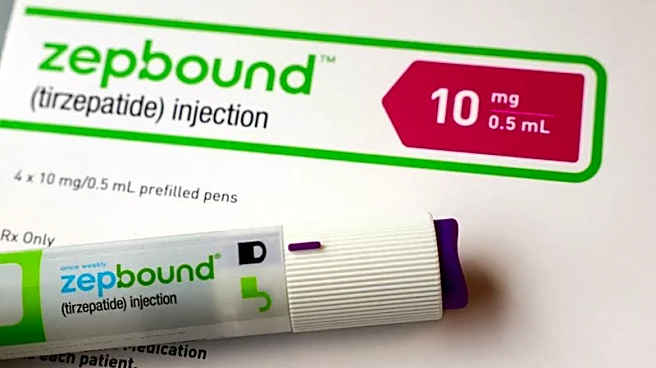
to medications like Zepbound, Foundayo, and Wegovy, produced by Eli Lilly and Novo Nordisk. The program is designed to make these drugs more affordable, with eligible patients paying a $50 monthly copay. The coverage will last from July 1, 2026, to December 31, 2027. To qualify, Medicare beneficiaries must have Part D coverage and meet specific clinical criteria related to their body mass index (BMI) and health conditions. The program does not apply to those already prescribed GLP-1s for conditions like Type 2 diabetes. According to Juliette Cubanski from the healthcare research nonprofit KFF, this temporary program leverages a specific section of the law allowing the federal government to establish such initiatives.
Why It's Important?
The introduction of Medicare coverage for GLP-1 weight loss drugs is significant as it addresses the growing issue of obesity among older adults, potentially improving health outcomes and reducing related healthcare costs. By making these medications more accessible, the program could benefit an estimated 3.8 million Medicare beneficiaries who meet the eligibility criteria. This move also reflects a broader recognition of obesity as a serious health condition requiring medical intervention. However, the program's temporary nature raises questions about long-term access and affordability, as patients could lose coverage after 2027 unless further legislative or administrative actions are taken. The initiative could also influence drug manufacturers to adjust their pricing strategies to align with the program's copay structure.
What's Next?
The future of the Medicare GLP-1 Bridge program beyond its initial 18-month period remains uncertain. Stakeholders, including the Centers for Medicare & Medicaid Services and Congress, may need to consider extending the program or enacting new legislation to ensure continued access. Additionally, drug manufacturers might respond by lowering direct-to-consumer prices to maintain market competitiveness. Healthcare providers and patients will likely monitor the program's impact closely, advocating for its extension if it proves beneficial. The program's success could also prompt discussions about expanding Medicare coverage for other weight loss treatments and interventions.