


What's Happening?
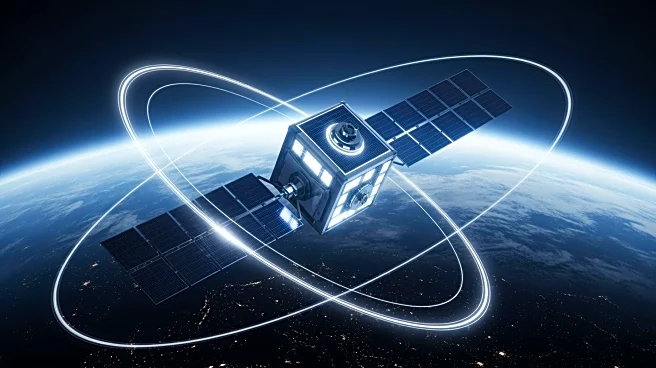
Russian forces have reported significant communication challenges following the shutdown of Starlink satellite terminals along the front line. According to Ukraine's Military Intelligence (HUR), the loss of Starlink has forced Russian troops to rely on domestic
satellite systems, which they have criticized as ineffective. Intercepted communications reveal that Russian soldiers are dissatisfied with the performance of their 'Gazprom' terminals, which are unable to handle video streams and suffer from unstable connections. The shutdown of Starlink, initiated by SpaceX on February 4, has disrupted Russian military operations, affecting unit coordination and the use of unmanned systems. Ukrainian forces, however, continue to use official Starlink terminals for intelligence sharing and targeting.
Why It's Important?
The shutdown of Starlink terminals has significant implications for the ongoing conflict, particularly for Russian military operations. The reliance on less effective domestic satellite systems could hinder Russian forces' ability to coordinate and execute operations effectively. This development may also impact the broader geopolitical landscape, as it highlights the strategic importance of satellite communications in modern warfare. The disruption of Russian communications could provide Ukrainian forces with a tactical advantage, potentially influencing the outcome of military engagements. Additionally, the situation underscores the role of private companies like SpaceX in international conflicts, as their technologies can directly affect military capabilities.
What's Next?
As the situation develops, Russian forces may seek alternative communication solutions to mitigate the impact of the Starlink shutdown. This could involve attempts to enhance the capabilities of existing domestic systems or explore new technologies. The ongoing conflict may also prompt further international discussions on the role of private companies in warfare and the ethical implications of their involvement. Stakeholders, including political leaders and military strategists, will likely monitor the situation closely to assess its impact on the conflict's dynamics and potential resolutions.