


What's Happening?
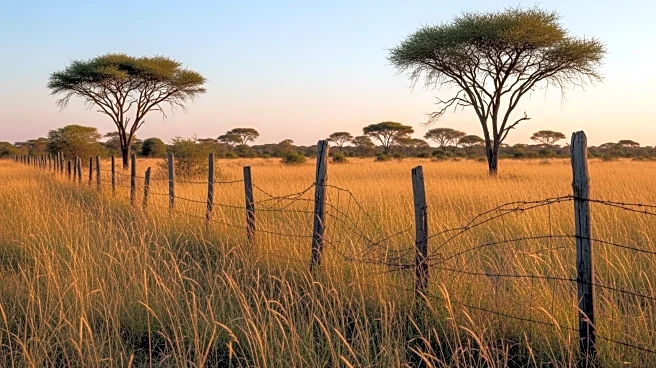
A study conducted by Cornell University suggests that removing certain sections of fences in southern Africa could benefit both wildlife and livestock. These fences, originally intended to prevent the spread of diseases like foot and mouth disease from
wildlife to cattle, are now seen as barriers to wildlife migration and contributors to human-elephant conflict. The research, published in Frontiers in Veterinary Medicine, indicates that strategic removal of these fences, particularly in the Kavango Zambezi Transfrontier Conservation Area, could improve animal health and productivity. The study's authors, including Steve Osofsky and Laura Rosen, are collaborating with local governments to implement these changes, which could also boost the wildlife tourism industry.
Why It's Important?
The proposed removal of fences in southern Africa has significant implications for both environmental conservation and economic development. By restoring wildlife migration routes, the initiative could enhance biodiversity and reduce human-wildlife conflicts. Economically, the move is expected to support local communities by increasing the value of 'wildlife-friendly' beef and creating jobs in the tourism sector. This approach aligns with broader conservation efforts and sustainable development goals, potentially serving as a model for other regions facing similar challenges. The study's findings suggest that the risks of disease transmission without fences are low, making the proposal a viable option for improving regional livelihoods.
What's Next?
Following the study, the government of Botswana has agreed to consider removing some of the most obstructive fences. The research team is working with local communities to implement herding practices and improve animal husbandry, vaccination, and market access. These efforts aim to produce disease-free beef, recognized as safe for trade, while simultaneously restoring critical wildlife migration paths. The success of this initiative could lead to further policy changes and encourage other countries in the region to adopt similar strategies, potentially transforming the landscape of wildlife conservation and rural development in southern Africa.