


What's Happening?
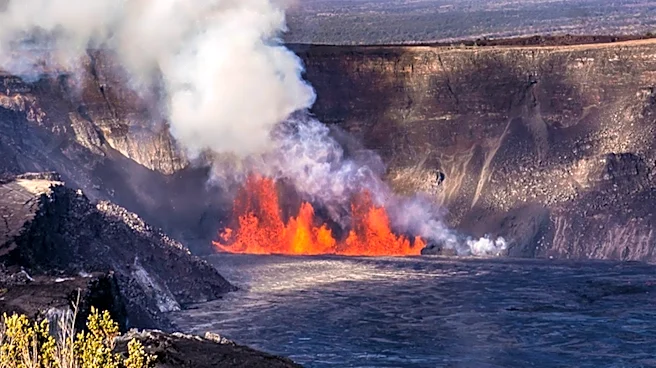
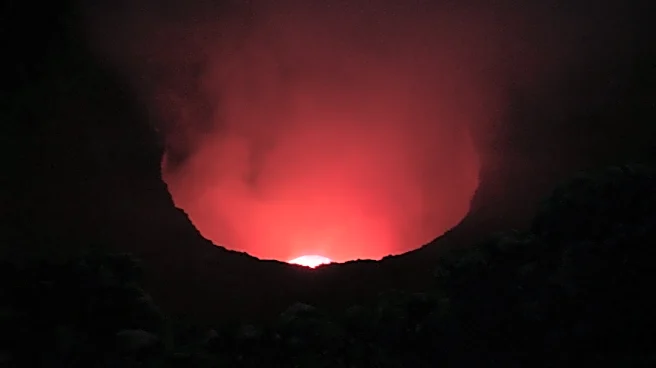
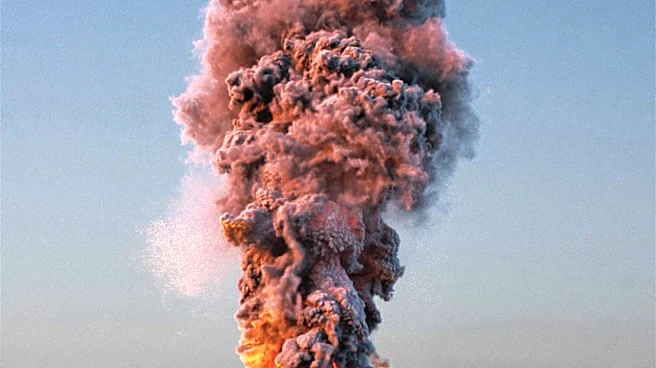
The 1790 Keonehelelei eruption of Kilauea volcano, known as 'the falling sands' by native Hawaiians, was a catastrophic event that resulted in hundreds of casualties, making it the deadliest historic U.S. eruption. This eruption was highly anomalous for
Kilauea, which typically erupts fluid, gas-poor tholeiite basalt magma, rarely leading to substantial hazards. The event marked a significant turning point in Kilauea's activity, shifting from frequent East Rift Zone eruptions to over a century of summit-limited activity. Historical accounts from missionaries like William Ellis and Sheldon Dibble, alongside Hawaiian narratives, describe multiple explosive phases, pyroclastic density currents, and a massive ashfall that impacted a wide area. The eruption occurred during a civil war, significantly affecting Keoua's army, with accounts detailing the sudden and devastating impact of the ash and cinders. Geological evidence, including various tephra units like Unit H, Unit I (Footprints Ash), and Unit J1 (Mystery Unit), provides a stratigraphic record of the eruption's complex phases, indicating both steam-driven explosions and magmatic activity.
Why It's Important?
The 1790 Kilauea eruption is crucial for understanding the dynamic and unpredictable nature of Hawaiian volcanism, particularly for a volcano typically associated with effusive eruptions. Its study provides insights into how fluid, gas-poor magma can produce extremely violent blasts under specific conditions, challenging conventional understanding of basaltic ocean island volcanoes. The event's impact on the local population, including the significant loss of life and its potential influence on the course of Hawaiian civil war, underscores the profound societal implications of volcanic activity. Furthermore, the eruption's role in reshaping Kilauea's long-term eruptive style, transitioning from rift zone activity to summit-focused eruptions, is vital for long-term hazard assessment and geological modeling. The chemical analysis of erupted materials, such as the unusual potassium-rich composition in the Eastern Pumice and Unit L, suggests deeper magmatic processes and their connection to the volcano's spreading and rifting, offering valuable data for predicting future eruptive behaviors.
What's Next?
Continued research into Kilauea's past eruptions, particularly events like the 1790 Keonehelelei eruption, will focus on refining the understanding of the complex interplay between magma composition, caldera collapse, ring dike intrusions, and groundwater interaction. Future studies may involve more detailed chemical analysis of old lava flows and potentially subsurface drilling to uncover past chemical variations. This ongoing scientific inquiry aims to improve predictive models for Kilauea's future activity, especially concerning the potential for rare but highly destructive explosive events. Understanding the mechanisms behind such anomalous eruptions is critical for enhancing hazard preparedness and mitigation strategies for communities living near active volcanoes. The insights gained will also contribute to broader volcanological understanding, particularly for ocean island volcanoes that exhibit both effusive and explosive characteristics.
Beyond the Headlines
The 1790 Keonehelelei eruption highlights the profound cultural and historical significance of volcanic events in Hawaii. Native Hawaiian narratives, viewing the eruption through the lens of Pele's wrath, demonstrate the deep spiritual and cultural connections to the land and its geological processes. The eruption's impact on the civil war, potentially altering the course of Hawaiian history by weakening one faction, illustrates how natural disasters can intertwine with human conflicts and political landscapes. The scientific challenge of deciphering such a complex event, which occurred just decades before regular observations began, underscores the importance of integrating indigenous knowledge and historical accounts with geological evidence. This interdisciplinary approach is crucial for a holistic understanding of volcanic hazards and their long-term societal and environmental consequences, revealing the intricate relationship between geological forces, human history, and cultural beliefs.