






What's Happening?
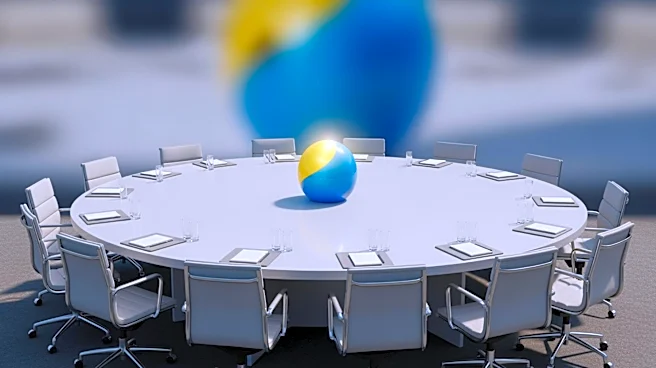
European Union foreign ministers convened in Cyprus to discuss the strategy for engaging in direct talks with Russia. The meeting highlighted the importance of unity among EU member states to avoid falling into what they described as a 'trap' set by Russia. High
Representative Kaja Kallas emphasized that the focus should be on the negotiation mandate rather than the individual negotiator, warning against allowing Russia to dictate terms by selecting negotiators. The discussion comes amid suggestions of former German Chancellor Gerhard Schröder as a potential negotiator, a proposal met with skepticism due to his ties with Russian President Vladimir Putin. The ministers stressed the need for a unified European approach to counter Russia's demands and support Ukraine effectively.
Why It's Important?
The EU's approach to negotiations with Russia is crucial in maintaining a strong front against Russian aggression and supporting Ukraine. A disunited EU could weaken the bloc's position, potentially undermining efforts to achieve peace in Ukraine. The emphasis on unity reflects the EU's strategic need to present a cohesive stance, which is vital for influencing negotiations and ensuring that European interests are safeguarded. The outcome of these discussions could significantly impact the EU's role in global diplomacy and its ability to influence the resolution of the conflict in Ukraine.
What's Next?
The EU foreign ministers' meeting is a precursor to a summit of EU leaders scheduled for mid-June, where further discussions on the negotiation strategy with Russia are expected. The EU aims to define a clear mandate for negotiations, ensuring that any engagement with Russia is conducted with a unified voice. The ministers are also considering potential candidates for the role of negotiator, with names like Finnish President Alexander Stubb and former Italian Prime Minister Mario Draghi being floated. The EU's next steps will involve solidifying its position and preparing for potential negotiations, while continuing to support Ukraine through diplomatic and possibly increased economic measures.
Beyond the Headlines
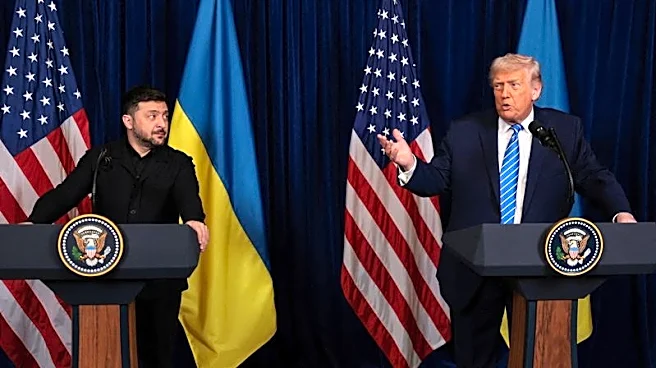
The EU's strategy in dealing with Russia has broader implications for its foreign policy and its relationship with the United States. As the US pauses its involvement in the Ukraine-Russia negotiations, the EU's role becomes more prominent, potentially reshaping transatlantic relations. The EU's ability to maintain unity and present a strong front could enhance its standing as a global diplomatic player. Additionally, the discussions highlight the ongoing challenges of balancing national interests within the EU while addressing external threats, a dynamic that could influence future EU policy-making.