







What's Happening?
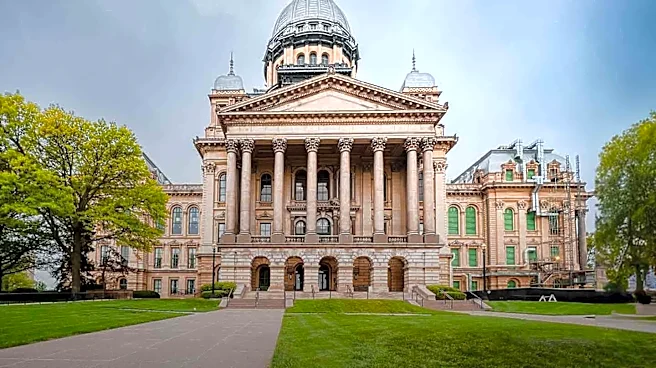
The Kansas Equal Rights Amendment Committee, an anti-abortion organization, is urging the Kansas Legislature to convene a special session in 2026. Doug Johnson, chairman of the committee, has formally requested Senate President Ty Masterson, the Republican
gubernatorial nominee, to lead efforts to bring the Senate and House together before December 31. The goal is to vote on a proposed amendment to the Kansas Constitution that would declare life begins at conception, subsequently placing it before Kansas voters. For the amendment to be placed on statewide ballots, two-thirds of both legislative chambers would need to endorse it. This initiative follows two previous rejections by Kansas voters of constitutional amendments related to abortion rights: the 'Value Them Both' amendment in 2022 and a judicial election amendment in early August, both of which aimed to restrict abortion access or influence judicial appointments to achieve similar outcomes. Johnson stated that the urgency stems from the repeated defeats of prior amendments, suggesting that a simpler, four-word amendment declaring 'life from conception' would have a better chance of adoption.
Why It's Important?
This push for a special legislative session highlights the ongoing and intense political battle over reproductive rights in Kansas. The proposed amendment, if passed, would fundamentally alter the legal landscape regarding abortion in the state, potentially overriding the Kansas Supreme Court's 2019 decision that affirmed a woman's fundamental right to abortion under the state's Bill of Rights. The repeated attempts to introduce such amendments, despite voter rejections, underscore the deep ideological divide and the persistent efforts by anti-abortion groups to establish legal personhood from conception. The outcome of this effort could set a precedent for how constitutional rights are debated and potentially redefined through legislative and popular votes, impacting not only healthcare access but also the interpretation of individual liberties in Kansas. The involvement of key political figures like Senate President Ty Masterson and the strong opposition from Democratic leaders like State Sen. Cindy Holscher and House Minority Leader Brandon Woodard indicate the high stakes involved for both political parties and the future of reproductive healthcare in the state.
What's Next?
The immediate next step involves whether Senate President Ty Masterson will act on the request to call a special session. However, a spokesman for Masterson, Garrett Henson, has stated that Masterson is 'not associated with this effort, nor is he familiar with it. There are no plans for a special session.' This suggests that the path to a special session is currently blocked. Additionally, House Minority Leader Brandon Woodard has dismissed the idea, citing the previous rejections by Kansas voters and the potential waste of taxpayer dollars. If a special session were to be called, the amendment would need to secure a two-thirds majority in both the House and Senate to be placed on the ballot. The chairman of the Kansas Equal Rights Amendment Committee, Doug Johnson, believes that the current Republican supermajorities in both chambers provide a window of opportunity before the 2027 legislative session, as the outcome of the November general elections could potentially weaken the GOP's supermajority. If the amendment were to reach the ballot, it would face another public vote, likely sparking significant campaigning and debate from both sides of the abortion rights issue.
Beyond the Headlines
The persistent efforts to introduce constitutional amendments defining life at conception, despite previous voter rejections, reveal a deeper strategic play by anti-abortion organizations to incrementally shift public and legal opinion. The argument that a simpler, four-word amendment would be more palatable to voters suggests an attempt to bypass the complexities and perceived 'confusing' language of previous proposals, aiming for a more direct and emotionally resonant message. This approach could be seen as a long-term strategy to chip away at established reproductive rights by continuously reintroducing the issue in different forms. Furthermore, the alleged political maneuvering, such as House Speaker Dan Hawkins's actions to block votes on the amendment in the 2026 session, highlights the internal political dynamics and potential divisions within the Republican party on how to best approach the abortion issue. The ongoing debate also raises fundamental questions about bodily autonomy, the role of the judiciary in protecting rights, and the extent to which legislative bodies should repeatedly challenge voter decisions on highly contentious social issues. The outcome in Kansas could influence similar legislative strategies in other states grappling with post-Roe v. Wade reproductive rights.