





What's Happening?
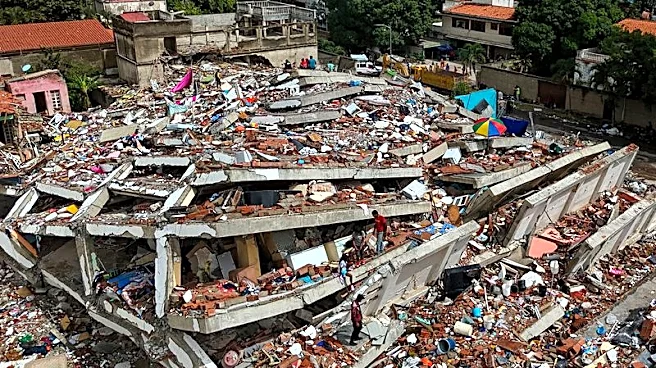
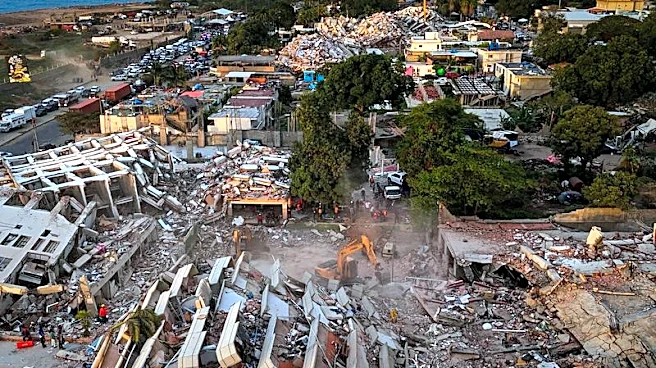
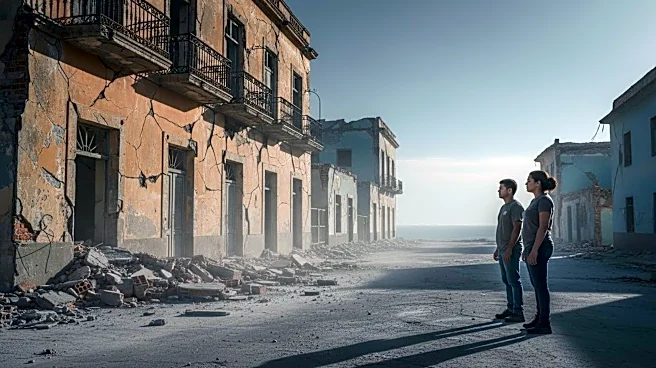
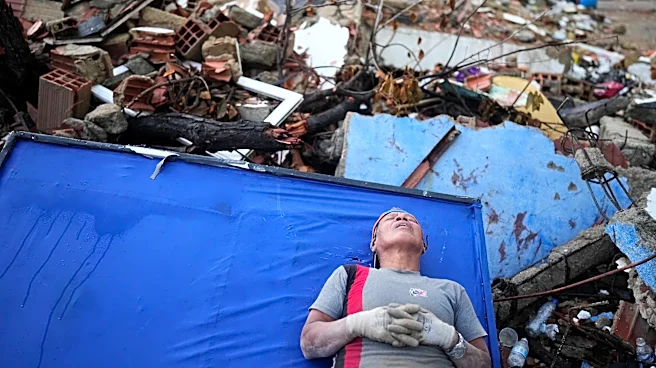
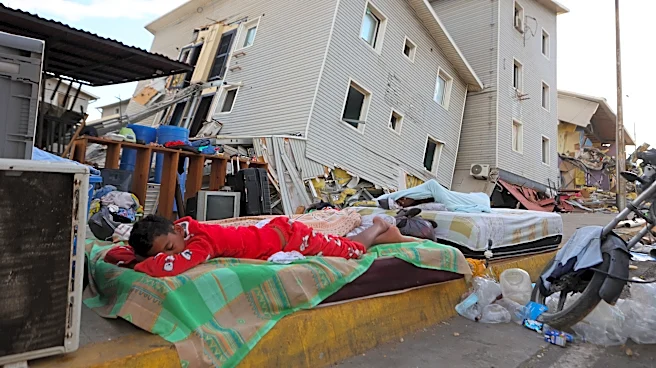
In Venezuela, the aftermath of two powerful earthquakes has left over 1,700 people dead and thousands missing, with the government facing severe criticism for its inadequate response. The earthquakes, which struck on June 24, have devastated the northern
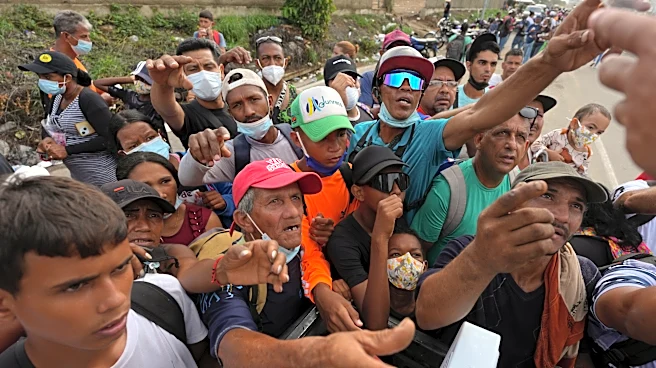
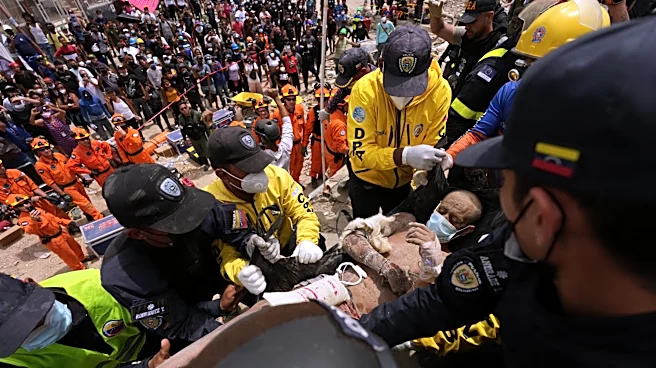
state of La Guaira and surrounding regions. Survivors and residents have expressed frustration over the lack of effective government action, with many rescue efforts being carried out by civilians and foreign teams. The Venezuelan government, led by acting President Delcy Rodriguez, has been accused of failing to provide necessary resources and organization, leaving many to fend for themselves in the critical hours following the disaster.
Why It's Important?
The inadequate response to the earthquakes highlights significant issues within the Venezuelan government's ability to manage crises, raising concerns about its capacity to protect and support its citizens. The situation underscores the broader challenges faced by the country, including corruption and a depleted public sector workforce. The government's failure to effectively coordinate rescue efforts and provide essential services could exacerbate public discontent and further destabilize the region. This disaster also draws attention to the need for international aid and support to address the immediate humanitarian crisis and assist in long-term recovery efforts.
What's Next?
As rescue operations continue, the focus will likely shift towards recovery and rebuilding efforts. The Venezuelan government may face increased pressure from both domestic and international communities to improve its crisis management capabilities. Additionally, there may be calls for greater transparency and accountability in the allocation of resources and aid. The international community could play a crucial role in providing support and expertise to help Venezuela navigate the aftermath of this disaster and prevent future crises.
Beyond the Headlines
The earthquakes have exposed deep-rooted issues within Venezuela's governance and infrastructure, highlighting the need for systemic reforms. The reliance on foreign aid and civilian efforts for rescue operations points to a lack of preparedness and resources within the country. This event may serve as a catalyst for broader discussions on governance, accountability, and the role of international cooperation in addressing humanitarian crises. The long-term impact on Venezuela's political and social landscape could be significant, potentially influencing future policy decisions and international relations.