

What's Happening?
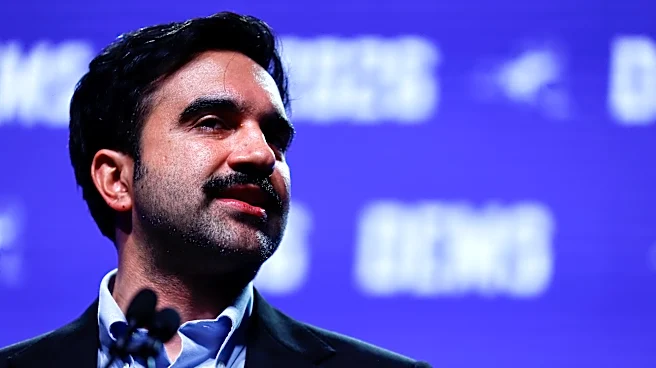
The NYC Department of Environmental Protection (DEP) has officially initiated the rulemaking process for Mayor Zohran Mamdani's administration's inaugural climate and environmental justice regulation, known as the Warehouse Indirect Source Emissions Reduction
(WISER) program. This program aims to hold large warehouse operators accountable for the pollution, traffic, and health impacts stemming from mega-warehouse delivery facilities. Environmental justice and community advocates are urging New York City to swiftly adopt a robust WISER rule. Diesel pollution from truck traffic associated with warehouses is linked to various health issues, including asthma, heart disease, cognitive impairment, and premature death. Research indicates that diesel pollution contributes to over 10,000 new childhood asthma cases annually in New York City, with these impacts disproportionately affecting environmental justice communities where a majority of warehouse facilities are located. The Last-Mile Coalition, a citywide alliance of environmental justice and public health advocates, has been campaigning for the regulation of last-mile trucking facilities in New York City.
Why It's Important?
This initiative is crucial for public health and environmental equity in New York City, particularly for communities disproportionately affected by pollution. The WISER program directly addresses the adverse health impacts of diesel emissions, which are known to cause severe respiratory and cardiovascular diseases. By targeting large warehouse operators, the regulation seeks to mitigate the environmental burden on low-income communities and communities of color, which often bear the brunt of industrial pollution. The increase in truck-related crashes by 146% in neighborhoods with last-mile facilities highlights the significant safety concerns that this regulation aims to alleviate. A successful implementation of a strong WISER rule could set a precedent for other urban areas grappling with similar issues, demonstrating a commitment to environmental justice and sustainable urban development. The economic implications for warehouse operators could include increased operational costs for compliance, but also potential long-term benefits from improved public health and reduced community opposition.
What's Next?
The NYC Department of Environmental Protection will proceed with the rulemaking process, which involves public input and review before the final adoption of the WISER rule. Environmental justice and community advocates, including the Last-Mile Coalition, will continue to press New York City leadership to ensure the final rule is strong and effectively drives real emissions reductions, particularly by limiting combustion-based vehicles. The success of a similar rule in Southern California, which reduced NOx pollution and generated revenue for community air quality improvements, provides a model for what New York City hopes to achieve. Stakeholders, including warehouse operators, will likely engage in the process to voice their concerns and propose modifications. The ultimate goal is to implement a rule that significantly improves air quality and public health in New York City, especially in vulnerable communities.
Beyond the Headlines
The WISER program reflects a growing national trend towards integrating environmental justice principles into urban planning and regulatory frameworks. It underscores the recognition that environmental burdens are often unequally distributed, with marginalized communities suffering the most. This regulation is not just about pollution control; it's about addressing systemic inequalities and ensuring that all residents have the right to clean air and a healthy environment. The focus on 'last-mile' facilities highlights the environmental consequences of the e-commerce boom and the need for sustainable logistics solutions. Beyond immediate health benefits, this initiative could foster innovation in green logistics and encourage the adoption of electric or low-emission delivery vehicles, contributing to broader climate goals and a more equitable urban future. It also signals a shift towards holding corporations more accountable for their environmental footprint within urban settings.