


What's Happening?
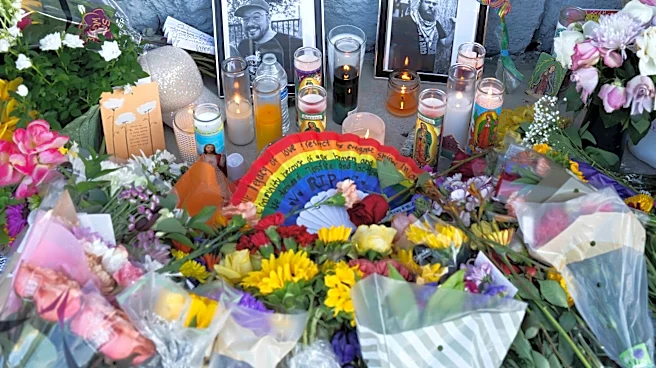
Businesses in Phoenix’s Melrose District organized a luminary display along 7th Avenue to honor two men killed in a shooting outside a Tucson gay bar. On Wednesday night, dozens of volunteers gathered at Boycott Bar to create and place 600 luminaries.
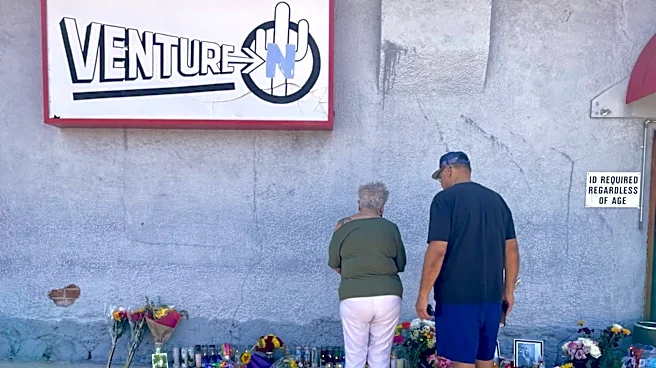
The victims, 42-year-old Vincent Siqueiros and 34-year-old Cameron Capara, were shot and killed outside Venture-N by 44-year-old Ousman Ceesay, who then took his own life. Tucson police are investigating the incident as a hate crime, as Ceesay reportedly had no connection to the victims and was carrying a list of other LGBTQ businesses. The Phoenix community held a moment of silence and shared words, emphasizing that such acts of violence can occur anywhere. Audrey Corley, owner of Boycott Bar, stated that the luminaries were placed to demonstrate the LGBTQ community's visibility and unity when targeted.
Why It's Important?
This event in Phoenix underscores the ongoing vulnerability of the LGBTQ community to hate-motivated violence and the importance of community solidarity in response to such tragedies. The investigation into the Tucson shooting as a hate crime highlights the persistent threat of prejudice and discrimination. The act of remembrance by Melrose District businesses serves as a powerful statement of support for victims and a call for unity against hate. It also reinforces the role of LGBTQ-friendly establishments as safe spaces, which are unfortunately sometimes targeted. The community's response in Phoenix, by visibly honoring the victims, aims to counter the fear and division that hate crimes intend to sow, promoting a message of resilience and collective strength. This local action reflects broader national concerns about hate crimes and the safety of marginalized communities.
What's Next?
Authorities in Tucson will continue their investigation into the shooting, focusing on the suspect's motives and any potential connections to hate groups or ideologies. The presence of a list of other LGBTQ businesses carried by the suspect suggests a premeditated attack, which will likely be a key aspect of the ongoing inquiry. In Phoenix, the event may inspire further community actions or discussions about safety and support for the LGBTQ community. Local advocacy groups may use this incident to call for increased awareness, resources, and protective measures against hate crimes. The broader LGBTQ community and its allies will likely remain vigilant and continue to advocate for policies and social changes that promote acceptance and prevent violence.
Beyond the Headlines
The tragic incident in Tucson and the subsequent community response in Phoenix bring to light the deeper societal issues of hate and intolerance that continue to plague the nation. The fact that the suspect had no apparent connection to the victims but targeted them outside a gay bar, while carrying a list of other LGBTQ businesses, points to a systemic issue of prejudice rather than an isolated personal dispute. This raises questions about the sources and spread of hate ideologies and the need for comprehensive strategies to combat them. The act of solidarity in Phoenix, using luminaries to symbolize visibility and remembrance, is a poignant cultural response that transforms grief into a collective assertion of identity and resilience. It highlights the ongoing struggle for safety and acceptance within the LGBTQ community and the critical role of allies and community spaces in fostering a sense of belonging and protection.