







What's Happening?
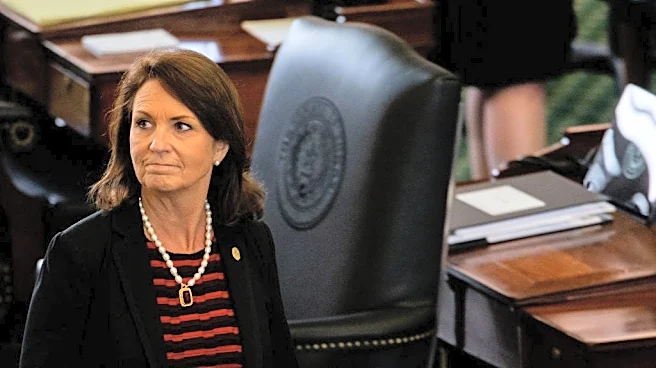
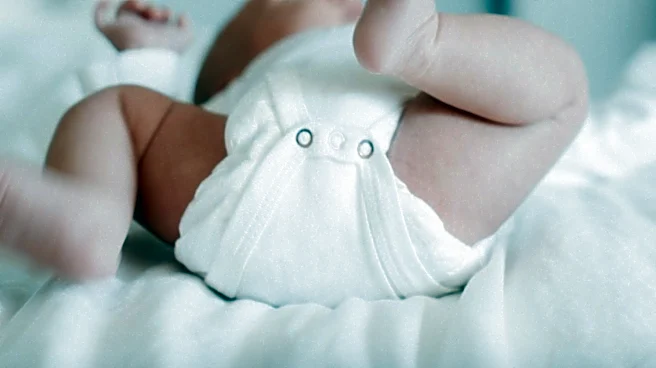
Texas Attorney General Ken Paxton has launched an investigation into Fruit of the Loom and Hanes regarding the potential use of toxic chemicals in children's underwear. Civil investigative demands have been sent to both companies, citing concerns about
the chemicals' effects on children's health. While no accusations of wrongdoing have been made, the probe focuses on the increasing use of synthetic materials like polyester, rayon, and spandex in clothing manufacturing. Research indicates that these synthetic fabrics can shed microplastics, and chemicals such as bisphenols, fluorine, parabens, phthalates, and 'forever chemicals' (PFAS) used in textile production have been linked to various health issues, including cancer, hormone disruption, and infertility. Gildan Activewear, the Canadian company that owns Hanes, has stated its cooperation with the investigation and affirmed its commitment to strict manufacturing and sourcing standards to comply with industry guidelines concerning harmful chemicals. This investigation follows a similar probe initiated by the attorney general in April into Lululemon Athletica over the presence of 'forever chemicals' in its activewear.
Why It's Important?
This investigation is significant as it directly addresses public health concerns related to everyday consumer products, particularly those designed for children. The potential presence of toxic chemicals and microplastics in children's underwear raises alarms about long-term health impacts, given children's increased vulnerability to environmental contaminants. For the apparel industry, this probe highlights the growing scrutiny over manufacturing practices and material sourcing. Companies like Fruit of the Loom and Hanes, major players in the U.S. market, face potential reputational damage and regulatory challenges. The shift towards synthetic materials, driven by consumer demand for lower-priced products, is now under the microscope, forcing a reevaluation of cost-efficiency versus product safety. This could lead to increased pressure on manufacturers to adopt safer, more sustainable materials and transparent sourcing practices, potentially impacting production costs and consumer prices across the industry. Furthermore, it underscores the evolving landscape of consumer protection and environmental regulations, with states like Texas taking proactive measures to safeguard public health.
What's Next?
The investigation will proceed with Fruit of the Loom and Hanes cooperating with the civil investigative demands from the Texas Attorney General. Gildan Activewear, Hanes' parent company, has already committed to assisting the probe and maintaining its adherence to industry guidelines on harmful chemicals. The outcome could lead to new regulations or industry standards for textile manufacturing, particularly concerning children's apparel. Companies may be compelled to reformulate products, enhance transparency in their supply chains, and invest in alternative, safer materials. Consumers can expect increased awareness campaigns regarding chemical safety in clothing and potentially new labeling requirements. This could also spur further investigations into other apparel brands and product categories, expanding the scope of regulatory oversight. The long-term implications might include a shift in consumer preferences towards natural fibers and brands with proven sustainable and safe manufacturing processes, influencing market dynamics and product innovation in the U.S. apparel sector.
Beyond the Headlines
Beyond the immediate concerns of product safety, this investigation touches upon broader ethical and environmental implications within the global supply chain. The reliance on synthetic materials and complex chemical processes in textile manufacturing often involves international production networks, making oversight challenging. The issue of 'forever chemicals' and microplastics extends beyond children's underwear, posing a systemic environmental problem as these substances persist in ecosystems and accumulate in the food chain. This probe could catalyze a more comprehensive reevaluation of the entire lifecycle of apparel, from raw material extraction to disposal, and its impact on human health and the environment. It also highlights the tension between affordability and sustainability, as manufacturers balance consumer demand for low-cost goods with the imperative for safe and environmentally responsible production. The legal and ethical responsibilities of corporations to ensure the safety of their products, especially for vulnerable populations like children, will be a central theme, potentially leading to increased corporate accountability and a push for more stringent international chemical regulations in manufacturing.