








What's Happening?
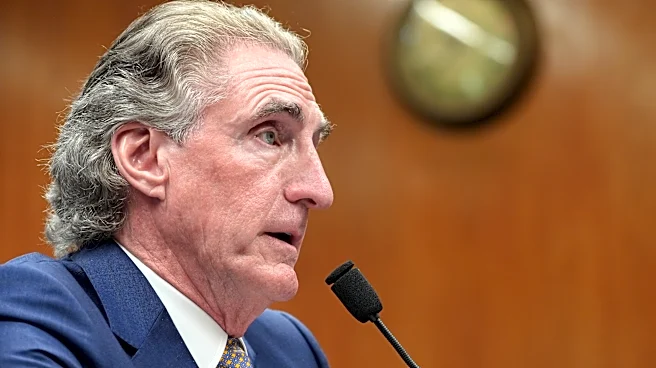
During a congressional budget hearing, EPA Administrator Lee Zeldin criticized Rep. Rosa DeLauro for suggesting he drink weed killer, calling her 'uninformed.' The exchange occurred as DeLauro, a Democrat from Connecticut, challenged Zeldin on his budget proposal,
which she described as a 'climate change denier’s manifesto.' Zeldin, a former Republican congressman from New York, defended his stance by referencing federal statutes and Supreme Court precedents, which DeLauro appeared unfamiliar with. The heated debate escalated when DeLauro accused the Trump administration's EPA of insufficient action against polluters, leading to her controversial suggestion involving glyphosate, the active ingredient in Roundup.
Why It's Important?
This confrontation highlights the ongoing tensions between the EPA and lawmakers over environmental policies and climate change. The exchange underscores the challenges faced by the EPA in balancing regulatory enforcement with political pressures. It also reflects broader partisan divides on environmental issues, with potential implications for future policy directions. The incident may influence public perception of the EPA's commitment to environmental protection and could impact legislative support for the agency's initiatives. Stakeholders in environmental advocacy and industry may find this development significant as it could affect regulatory approaches and enforcement priorities.
What's Next?
The fallout from this exchange may lead to further scrutiny of the EPA's policies and budget proposals. Lawmakers may seek additional hearings or investigations into the agency's actions and priorities. The incident could also prompt discussions within Congress about the role of the EPA in addressing climate change and environmental protection. As the debate continues, stakeholders may lobby for or against specific regulatory measures, influencing future legislative and administrative actions. The EPA may need to navigate these political dynamics carefully to maintain its operational effectiveness and public credibility.