



What's Happening?
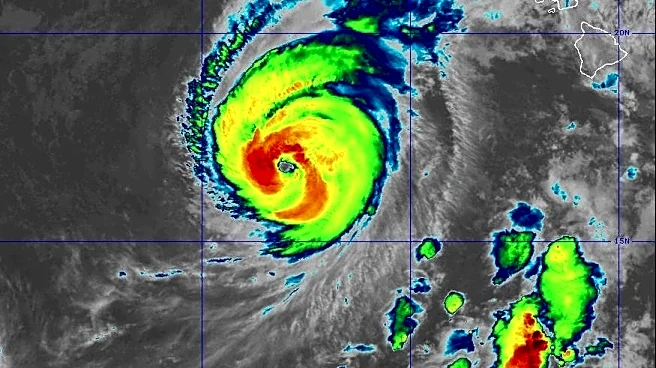
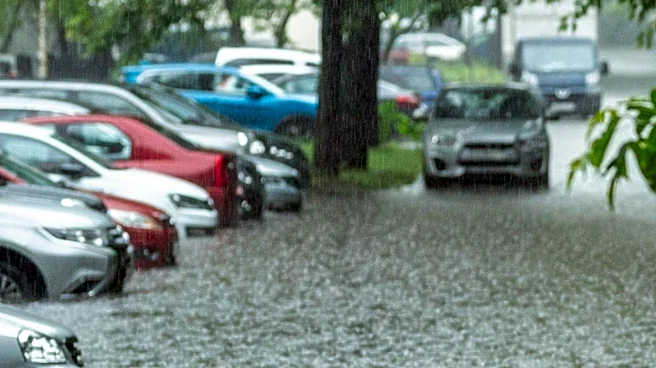
Tran Phu commune in Vietnam is implementing comprehensive disaster preparedness plans in anticipation of Category 3 storms and flash floods. Given its hilly terrain and low-lying areas near the Bui River, the commune faces a constant risk of flooding
during the rainy season. According to Nguyen Manh Ha, Vice Chairman of the People's Committee of the commune, these plans are tailored to the specific topographical features and risks of each area. For a Category 3 storm, the commune expects to evacuate 4,752 people from 1,188 households. In the event of heavy rain and flash floods causing the Bui River to reach 8 meters at Yen Duyet, relocation plans are being considered for 11,991 people from 2,997 households in high-risk areas like Khon Duy and My Tien villages. Local authorities are prepared to coordinate evacuations to Phu Nghia commune if necessary. The commune has also established a 150-person disaster prevention and control task force, including officials, soldiers, militia, and local security forces, and has prepared rescue equipment such as motorboats, rafts, and lifebuoys. Additionally, they are coordinating with local suppliers for materials like soil, sand, and stone to reinforce vulnerable dike sections.
Why It's Important?
The proactive and detailed disaster preparedness measures in Tran Phu commune are crucial for minimizing loss of life and property in a region highly susceptible to natural disasters. By developing specific evacuation scenarios for different levels of threat, the commune aims to ensure an organized and effective response. The establishment of a dedicated task force and the pre-positioning of rescue equipment and reinforcement materials highlight a commitment to the 'four on-the-spot' principle, which emphasizes immediate, localized response. This approach is vital for communities in vulnerable areas, as it reduces reliance on external aid in the initial critical hours of a disaster. Furthermore, the focus on preventing water pollution and disease outbreaks post-flooding, through directives from the Hanoi Department of Health, underscores a holistic approach to disaster management that extends beyond immediate evacuation to long-term public health and environmental safety. This comprehensive strategy serves as a model for other regions facing similar environmental challenges.
What's Next?
Tran Phu commune will continue its regular and continuous monitoring of dikes, flood-prone areas, and vulnerable points to update its response plans as needed. Residents are being encouraged to proactively secure their property, prepare essential supplies, and remain ready to implement evacuation plans if an emergency arises. The commune health station is tasked with reviewing flood prevention, control, and recovery plans, and preparing necessary medicines, chemicals, and medical equipment. Local health workers will strengthen surveillance for infectious diseases and food poisoning risks, and guide residents on water treatment and post-flooding sanitation. Functional forces will guide people in waste collection, mud and soil handling, drainage clearing, and proper disposal of dead livestock to prevent environmental pollution. Villages will maintain close monitoring of their areas, assess flooding risks, and promptly report any water pollution for action. The coordination with military units stationed in the area will also continue, ensuring additional support can be mobilized if complex situations arise.
Beyond the Headlines
The extensive preparedness efforts in Tran Phu commune reflect a broader global challenge of adapting to increasingly severe weather patterns, likely exacerbated by climate change. While the immediate focus is on local safety, the commune's strategy highlights the importance of community resilience and self-sufficiency in disaster management. The 'four on-the-spot' principle, emphasizing local resources and immediate response, is a critical lesson for communities worldwide, particularly those in developing nations with limited external support. The integration of public health measures, such as preventing water pollution and disease outbreaks, into disaster planning demonstrates an understanding of the cascading impacts of natural disasters beyond immediate physical damage. This holistic approach not only saves lives but also protects long-term community well-being and economic stability, fostering a culture of preparedness that is essential in an era of unpredictable extreme weather events.