



What's Happening?
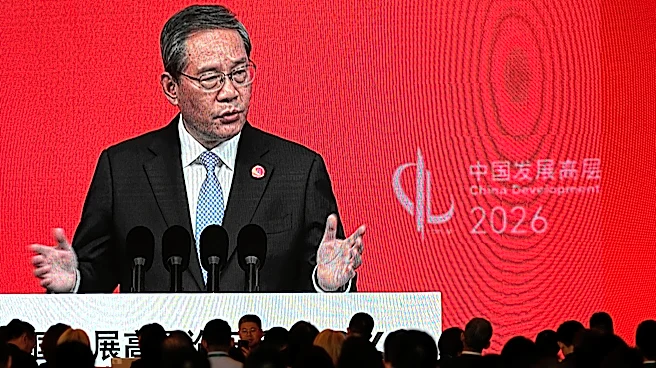
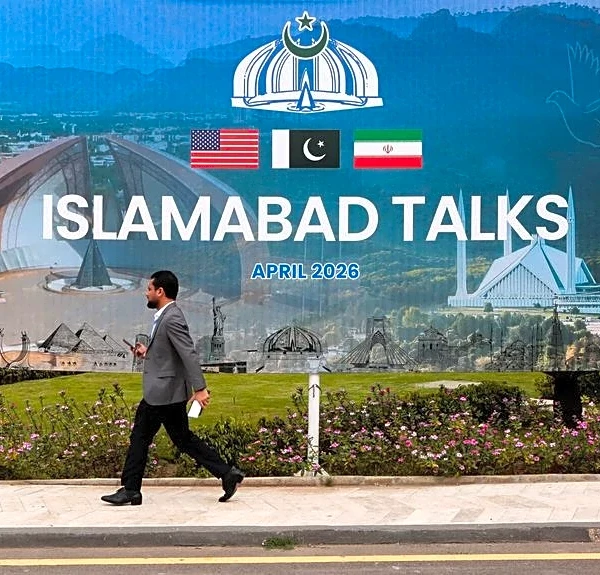
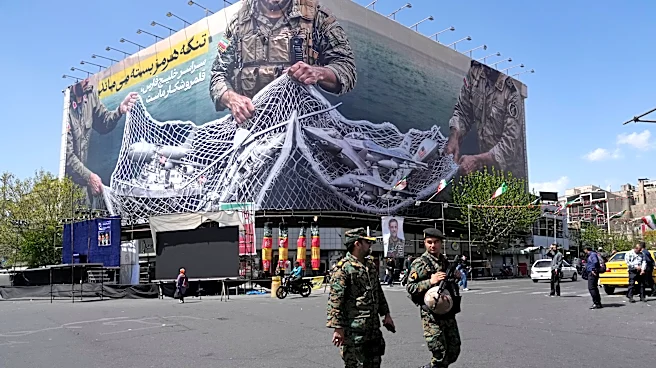
China is reportedly preparing to deliver new air defense systems to Iran, according to sources familiar with U.S. intelligence. This development comes shortly after China played a significant role in brokering a fragile cease-fire deal between Iran and
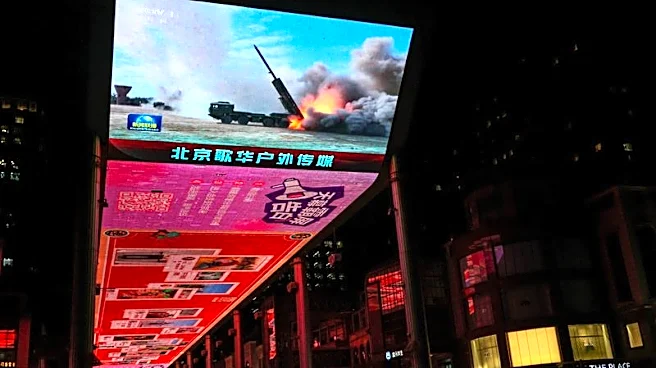
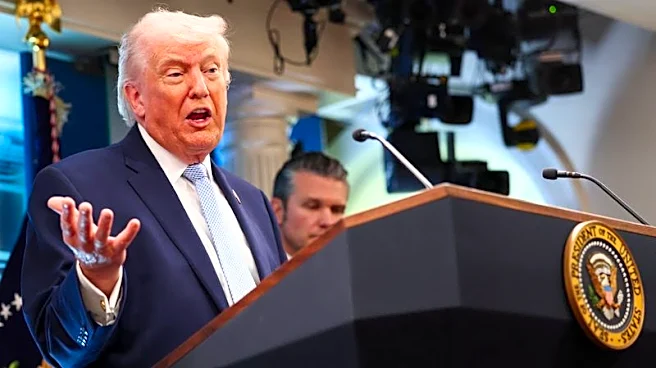
the United States. The planned delivery involves shoulder-fired anti-air missile systems known as MANPADs, which are being routed through third countries to obscure the trade. These weapons, which use heat-seeking guidance, pose a significant threat to aircraft, as evidenced by recent incidents involving U.S. military jets. Despite these reports, China has denied any involvement in providing weapons to parties in the conflict, with a spokesperson from the Chinese embassy in Washington dismissing the claims as untrue. The spokesperson emphasized China's commitment to fulfilling international obligations and urged the U.S. to avoid making baseless allegations. President Trump is scheduled to visit China in early May for discussions with Chinese President Xi Jinping.
Why It's Important?
The potential delivery of air defense systems from China to Iran could exacerbate tensions in the region, particularly given the recent cease-fire agreement between Iran and the U.S. If confirmed, this action might undermine diplomatic efforts and provoke further instability. The involvement of China in arms trade with Iran could also strain U.S.-China relations, especially as President Trump prepares for talks with President Xi Jinping. The situation highlights the complexities of international arms trade and the challenges in maintaining peace and security in volatile regions. The U.S. military's concerns about the threat posed by these missile systems underscore the potential risks to American forces and interests in the area.
What's Next?
President Trump's upcoming visit to China may provide an opportunity to address these concerns directly with Chinese leadership. The discussions could focus on ensuring compliance with international arms control agreements and preventing further escalation in the region. Additionally, diplomatic efforts may be intensified to reinforce the cease-fire and promote stability. The international community will likely monitor the situation closely, with potential responses from other stakeholders, including European nations and regional powers, who have vested interests in Middle Eastern security.