


What's Happening?
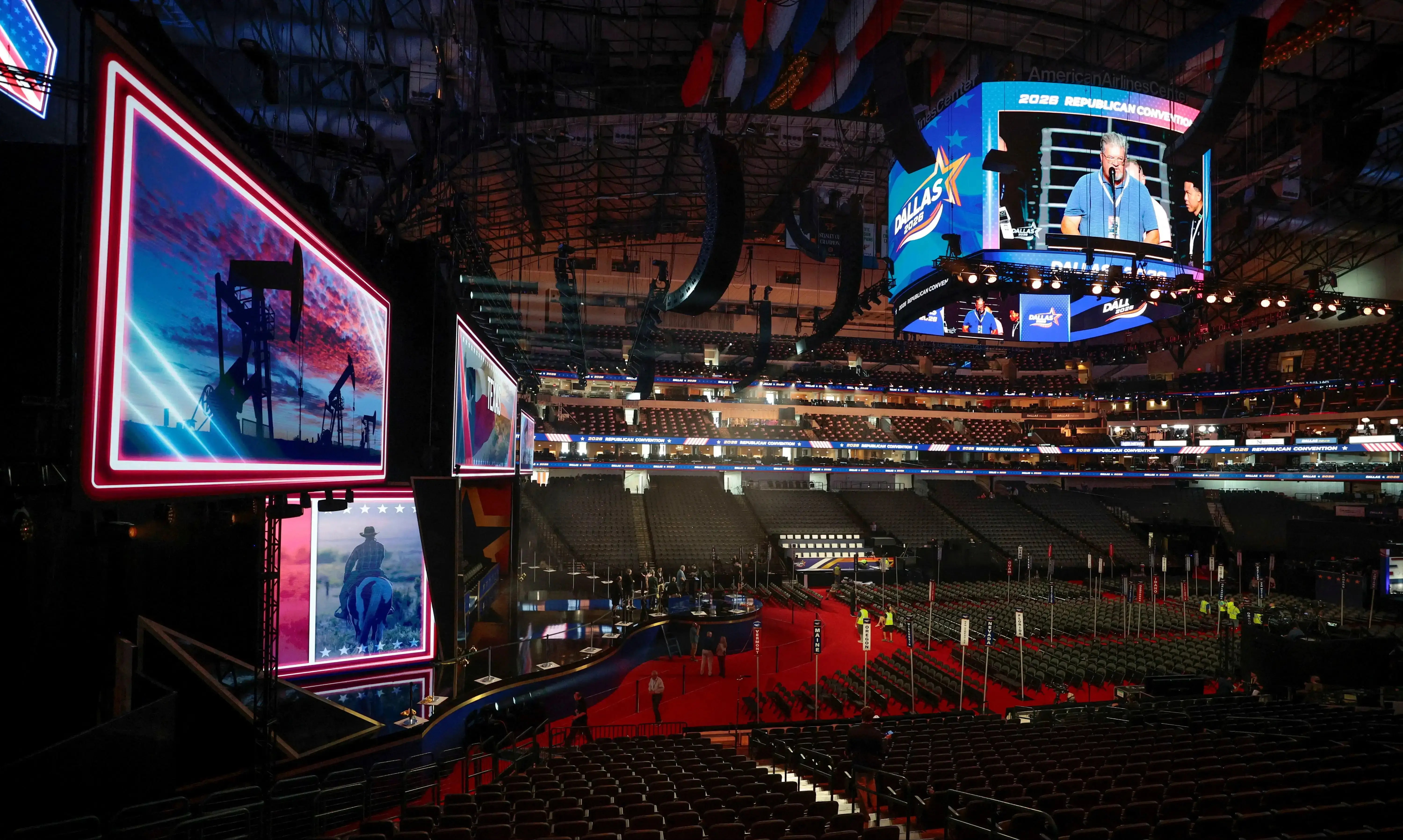
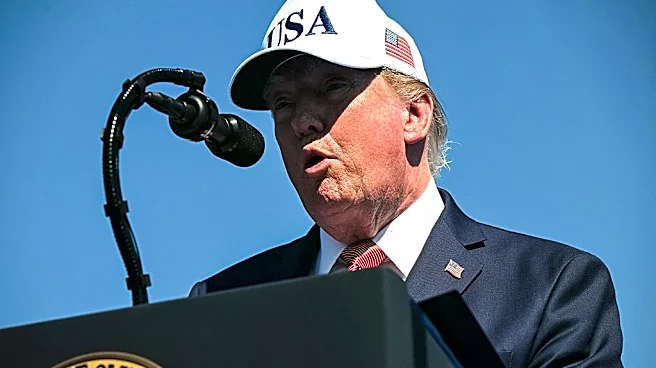
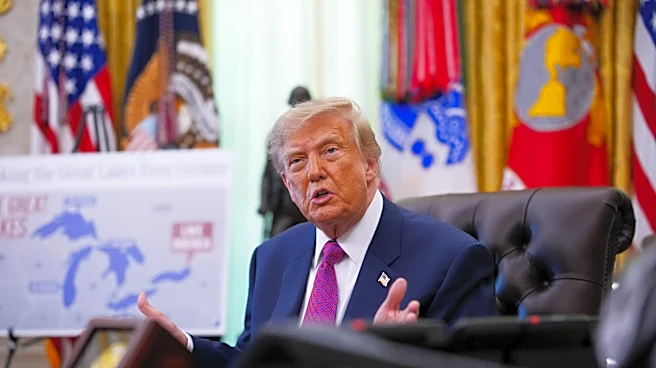
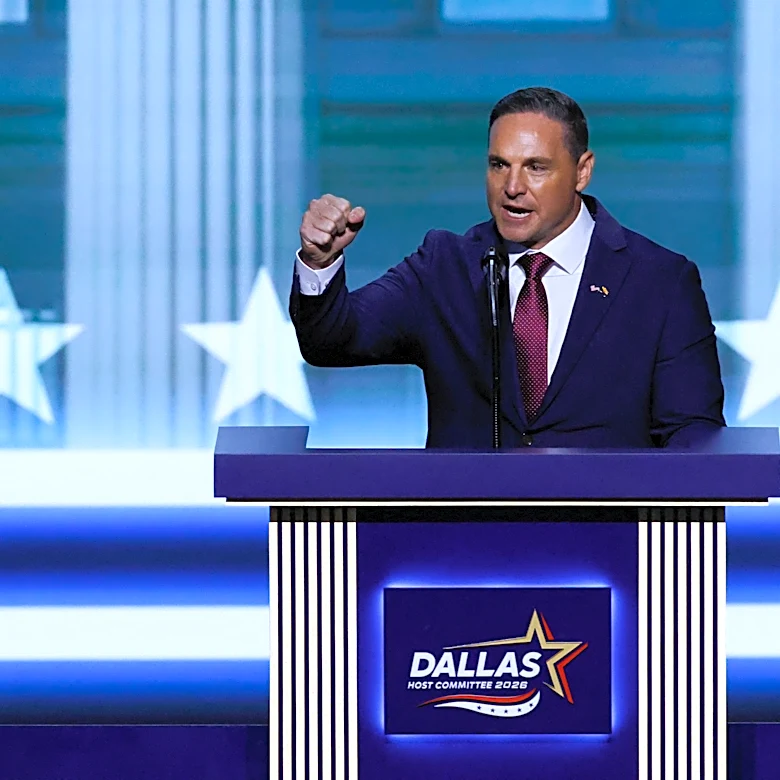
The Republican Party is holding its first-ever midterm convention in Dallas, Texas, with President Trump scheduled to deliver keynote addresses. The event, billed as a 'primetime showcase,' aims to boost morale, nationalize congressional elections, and
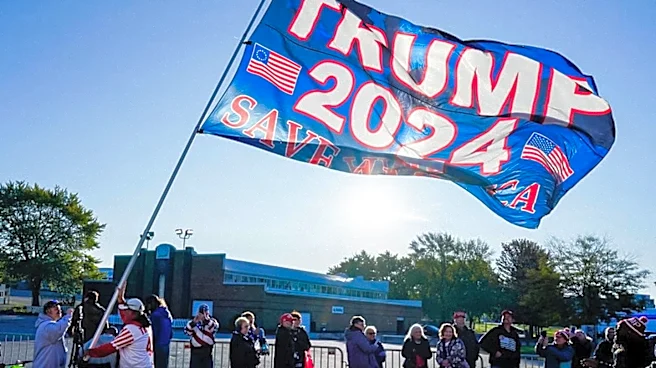
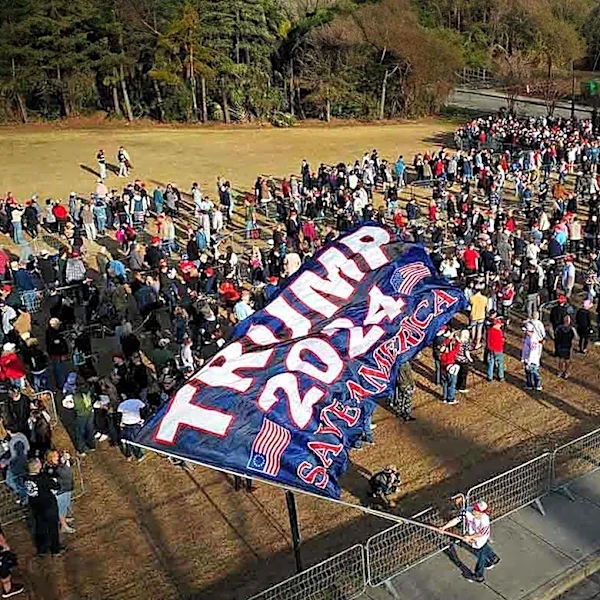
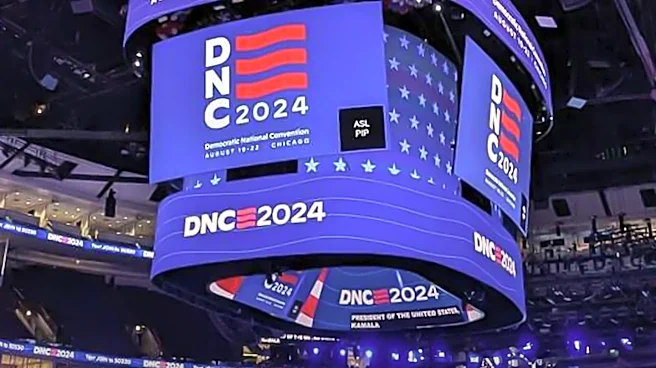
galvanize Republican voters ahead of the midterms. Vice-President JD Vance, Treasury Secretary Scott Bessent, Attorney General Todd Blanche, Health Secretary Robert F Kennedy Jr, and Donald Trump Jr. are also slated to speak. This convention marks a departure from Democratic party practices, which have avoided similar midterm events since a contentious one in 1978. Despite the party's intentions, a Politico survey indicates that many Republican candidates and members are not planning to attend, citing prior commitments or the $25,000 attendance fee. Critics, including Elaine Kamarck of the Brookings Institution, describe the event as essentially a 'Trump rally' designed to generate enthusiasm among the base.
Why It's Important?
This midterm convention is a significant strategic move by the Republican Party to energize its base and influence the upcoming congressional elections. The decision to center the convention around President Trump, despite his current 33% approval rating according to a Reuters/Ipsos poll, highlights the party's reliance on his appeal to motivate voters. The event's success or failure could significantly impact Republican performance in the midterms, particularly in races where candidates like Senate candidate Ken Paxton are seeking a boost. The convention's focus on specific policy areas such as tax cuts, healthcare affordability, and border security aims to draw a contrast with Democratic offerings. However, the absence of foreign policy discussions, particularly regarding the unpopular war in Iran, could be a notable omission for some voters. The convention also serves as an early platform for potential 2028 presidential contenders, including Texas Senator Ted Cruz and Vice-President Vance, to make an impression.
What's Next?
The immediate focus will be on the convention's ability to generate enthusiasm and turnout among Republican voters in the 60 days leading up to the midterm elections. The speeches by President Trump and other prominent Republicans will be closely watched for their impact on public opinion and candidate messaging. The convention's success in nationalizing congressional elections and galvanizing the base will be a key indicator of its effectiveness. Following the convention, political analysts will assess whether the event managed to shift President Trump's low approval ratings or if it further solidified the perception of a 'Trumpist pageantry.' The reactions of independent voters, who are less likely to tune into such events, will also be crucial in determining the broader electoral impact. The performance of candidates who have either embraced or distanced themselves from President Trump in the wake of the convention will offer insights into the evolving dynamics within the Republican Party.
Beyond the Headlines
The Republican midterm convention underscores a deeper strategic challenge for the party: balancing the enduring influence of President Trump with the need to appeal to a broader electorate. The event's characterization as a 'Trump rally' by some suggests a potential risk of alienating moderate voters and reinforcing the perception of a party solely defined by its former leader. The reported reluctance of some Republican candidates to attend or their efforts to subtly distance themselves from President Trump on their campaign websites indicate an internal struggle within the party regarding its future direction. This dynamic highlights the tension between maintaining base loyalty and achieving broader electoral success. The convention's emphasis on domestic issues while omitting foreign policy discussions could also reflect a strategic decision to focus on areas perceived as more favorable to the Republican platform, potentially at the cost of addressing complex international challenges. The event's outcome will offer insights into the long-term trajectory of the Republican Party and its ability to adapt to changing political landscapes.