







What's Happening?
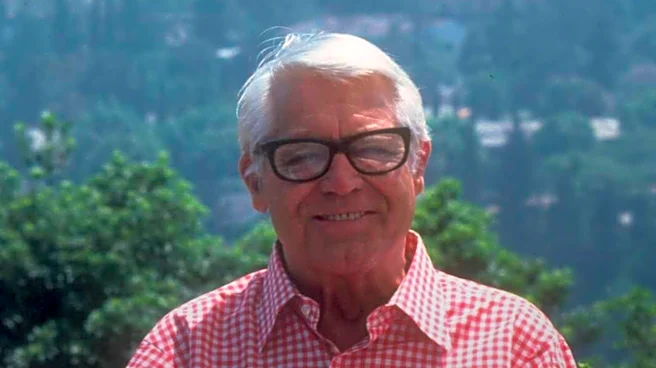
This article explores the professional achievements of Cary Grant, a British-American actor, and Ray Dalio, an American investor and entrepreneur. While operating in vastly different fields—Grant in classic Hollywood cinema and Dalio in finance and economic
analysis—both individuals achieved significant success through distinct forms of professional excellence. Cary Grant, born Archibald Alec Leach, cultivated a polished screen persona known for elegance, humor, and versatility across genres like romantic comedies, suspense films, and dramas. His career spanned decades, leaving a legacy in classic cinema with films such as 'North by Northwest' and 'The Philadelphia Story.' Ray Dalio, founder of Bridgewater Associates, developed a reputation for his research-based approach to investing, focusing on economic patterns, diversification, and systematic decision-making. His work extends to authorship, with his book 'Principles' outlining his philosophy on personal and professional decision-making. The article highlights that despite no direct professional relationship, their careers offer insights into how discipline and continuous development shape success.
Why It's Important?
The comparative analysis of Cary Grant and Ray Dalio is important because it illustrates that fundamental principles of success, such as discipline, adaptability, and attention to detail, transcend specific industries. For U.S. professionals and aspiring individuals, their stories provide a framework for understanding how sustained effort and strategic development can lead to high achievement, whether in creative arts or analytical finance. Grant's meticulous development of his public image and acting craft underscores the value of presentation and technical skill in entertainment. Dalio's emphasis on learning from mistakes, evidence-based decision-making, and open discussion offers valuable lessons for business leaders and investors navigating complex economic landscapes. Their careers demonstrate that while the technical skills differ, the underlying commitment to improvement and a structured approach to one's craft are universal drivers of impact and legacy. This perspective can inspire diverse sectors to adopt rigorous self-evaluation and continuous learning.
What's Next?
While Cary Grant's legacy in cinema is firmly established and continues to be studied by actors and filmmakers, Ray Dalio remains an active voice in finance and economic discussions. Dalio's ongoing contributions through his writings and public commentary will likely continue to influence investment strategies and organizational cultures, particularly regarding his principles of radical transparency and idea meritocracy. Future discussions in business and finance may further integrate his systematic approaches to decision-making and risk management. In the entertainment industry, Grant's performances will continue to serve as benchmarks for comedic timing and sophisticated screen presence, influencing new generations of actors. The broader implication is that both figures will continue to be subjects of study for those interested in the anatomy of long-term professional success, with their methodologies potentially being adapted and applied in evolving professional environments.
Beyond the Headlines
Beyond the immediate comparison, the careers of Grant and Dalio offer deeper insights into the nature of professional identity and personal branding. Grant meticulously crafted his 'Cary Grant' persona, demonstrating the power of a curated public image in achieving and sustaining stardom. This highlights the psychological and performative aspects of success, even in fields seemingly unrelated to acting. Dalio's philosophy, particularly his emphasis on 'radical truth' and 'radical transparency,' delves into the ethical and cultural dimensions of organizational management, challenging traditional hierarchical structures. His approach suggests a long-term shift towards more data-driven and openly critical work environments. Both individuals exemplify how personal philosophies and disciplined self-development can lead to profound influence, not just within their respective fields but also in broader discussions about human potential and professional ethics. Their stories underscore the idea that true excellence often involves a deep, almost philosophical engagement with one's chosen craft.