









What's Happening?
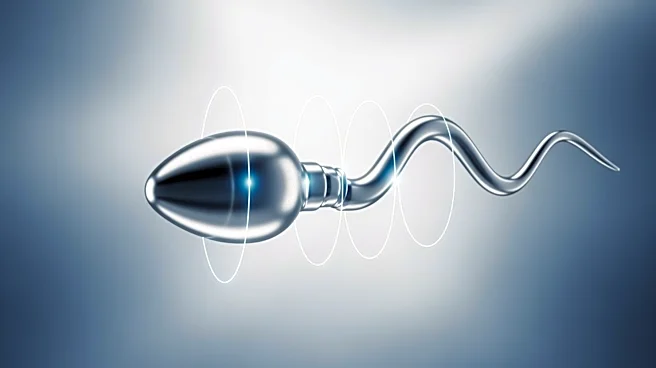
Researchers at the nanoscience institute CIC nanoGUNE in Spain have developed a technique to magnetize sperm, potentially allowing in vitro fertilization (IVF) to be performed inside the body. This method aims to reduce the need for invasive procedures
such as hormone injections, egg retrievals, and embryo transfers. By attaching tiny magnetic beads to the heads of sperm, researchers can guide them through the female reproductive tract using external magnetic fields. This approach could enable sperm to fertilize an egg under more natural conditions, potentially improving IVF success rates. Initial tests with cattle sperm have shown that the magnetic beads do not affect the sperm's swimming speed or health, and the beads detach as the sperm penetrates the egg, not impacting early embryo development.
Why It's Important?
This development could significantly impact the field of assisted reproduction by offering a less invasive alternative to traditional IVF methods. The current IVF process involves multiple steps that can be physically and emotionally taxing for patients, with a relatively high rate of unsuccessful cycles. By potentially increasing the success rates of IVF and reducing the physical burden on patients, this technique could make fertility treatments more accessible and less stressful. Additionally, the ability to perform IVF within the body could lead to more natural embryo development, possibly resulting in healthier pregnancies and offspring.
What's Next?
Before this technique can be applied clinically, further research is needed to demonstrate that magnetic sperm can be effectively directed into the fallopian tubes and successfully fertilize eggs outside of a laboratory setting. Researchers must also ensure that the resulting embryos can implant in the endometrium and develop into healthy offspring. The visibility of magnetic beads on ultrasound could aid in monitoring the process, and researchers are exploring methods to remove the beads from the body post-fertilization. If successful, this approach could revolutionize IVF practices and improve outcomes for many seeking fertility assistance.