
What's Happening?
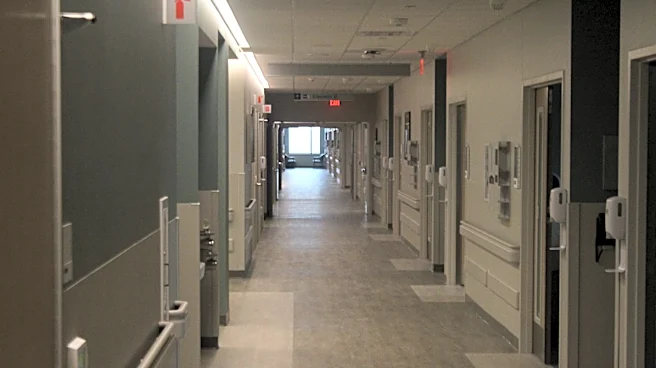
An Ann Arbor nurse is facing a federal misdemeanor charge for allegedly assisting a person without legal status to escape law enforcement custody. The incident occurred at Trinity Health Ann Arbor hospital,
where the individual was receiving medical treatment for injuries sustained during a federal immigration arrest. According to the FBI, the nurse removed the patient's IV drip and guided him to an ambulance entrance, facilitating his escape. The 33-year-old nurse, Chloe Renae Freeman of Whitmore Lake, voluntarily surrendered to authorities, was released on a $10,000 bond, and is no longer employed by the hospital. As of Friday, the escaped patient has not been located by federal authorities.
Why It's Important?
This case highlights a growing conflict between legal mandates and medical ethics within healthcare facilities across the U.S. Legal experts anticipate similar incidents as medical professionals increasingly find themselves caught between their professional duty to care for patients and federal immigration enforcement. Shahad Atiya, founder of Atiya Law and a criminology professor at the University of Michigan-Dearborn, notes that healthcare systems are grappling with how to navigate immigration enforcement, with many offering 'Know Your Rights' trainings for staff. The incident underscores the complex ethical dilemmas faced by healthcare workers when confronted with situations involving undocumented patients and law enforcement, potentially leading to personal legal consequences for those who prioritize patient care over legal compliance.
What's Next?
The legal proceedings against Chloe Renae Freeman will continue, with the government bearing the burden of proving every element of the misdemeanor charge beyond a reasonable doubt, including whether the patient was strictly in federal custody at the time of his departure. The decision to file a misdemeanor rather than a felony charge may indicate an intent to resolve the case quickly. This incident is likely to prompt further discussions and policy reviews within healthcare systems regarding their protocols for handling patients under law enforcement custody, particularly those involving immigration. It may also lead to increased advocacy for clearer guidelines or protections for medical professionals navigating these complex ethical and legal landscapes.
Beyond the Headlines
This case delves into the deeper societal tension surrounding immigration enforcement and the role of humanitarian professions. It raises questions about the extent of a healthcare professional's ethical obligations versus their legal responsibilities, especially when these two principles conflict. The incident could fuel debates about 'sanctuary' policies in healthcare settings and the broader implications for patient trust and access to care for vulnerable populations. The outcome of this case could set a precedent for how similar situations are handled in the future, potentially influencing policies on medical neutrality and the rights of patients, regardless of their immigration status, when receiving treatment in U.S. hospitals. It also highlights the personal cost to individuals who make difficult ethical judgments in high-pressure situations.