



What's Happening?
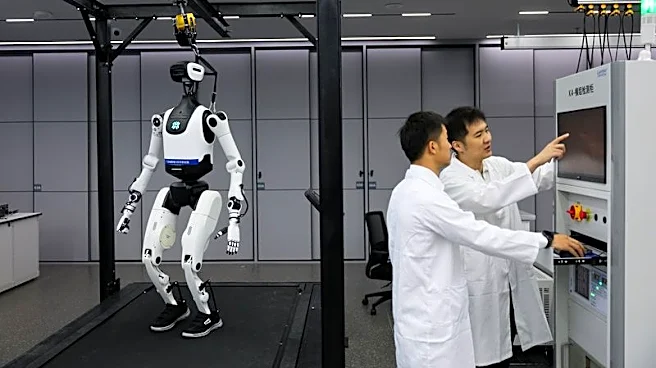
The Trump administration has announced a ban on the production and import of new Chinese robots and inverters in the United States. This move is part of a broader strategy to enhance national security and support the development of artificial intelligence
domestically. The ban targets robotic systems and inverter components used in manufacturing and automation, with exceptions for critical infrastructure and research. The administration aims to reduce dependency on foreign technology and strengthen the U.S.'s position in AI and autonomous systems.
Why It's Important?
This ban is significant as it reflects a strategic shift towards securing domestic technology supply chains and reducing reliance on foreign components, particularly from China. It is expected to impact industrial companies and developers of robotic systems, potentially leading to delays and increased costs. However, it also presents an opportunity for U.S. companies to innovate and develop local solutions, fostering a more resilient and independent technological ecosystem. The move could reshape global technology supply chains and influence international trade dynamics.
What's Next?
The administration plans to implement the ban gradually, with oversight mechanisms to prevent disruptions in critical sectors. Companies may need to adapt by localizing production or seeking alternative suppliers. The government will engage with the business community and international partners to mitigate negative impacts and facilitate market adjustments. This policy could lead to increased demand for domestically developed AI and automation technologies, potentially spurring innovation and job creation in the U.S.