


What's Happening?
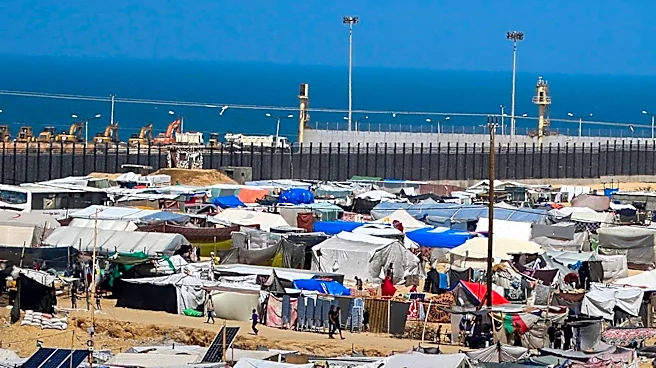
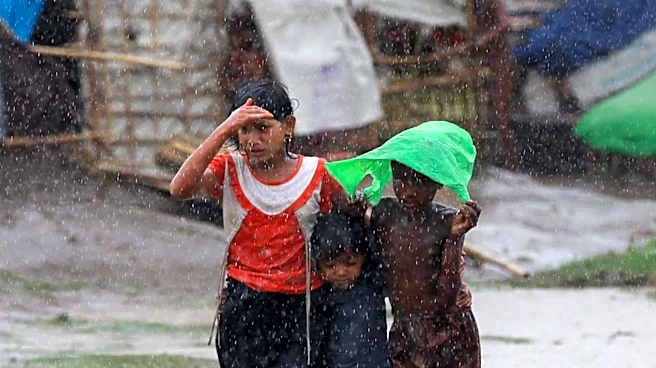
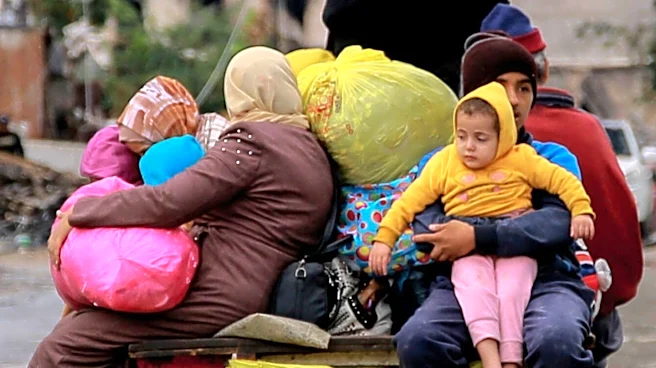
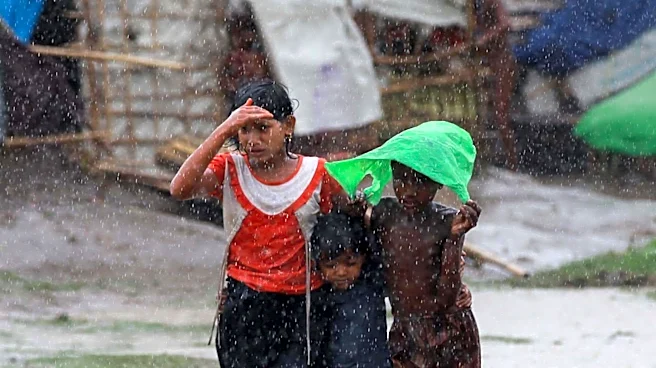
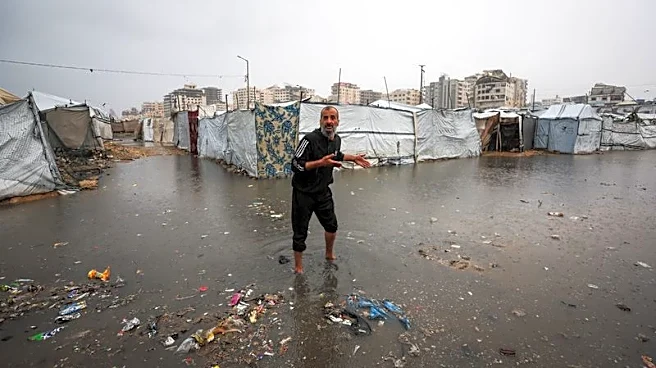
The Gaza Strip experienced heavy rains from November 6-8, 2026, leading to widespread flooding, damage to shelters, and disruptions to essential services. This weather event significantly worsened the already dire humanitarian situation, with an infant
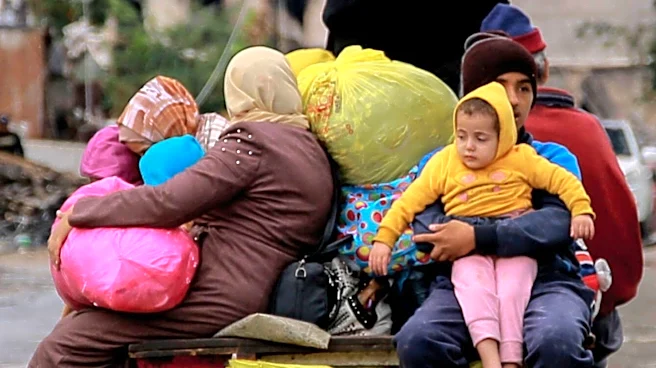
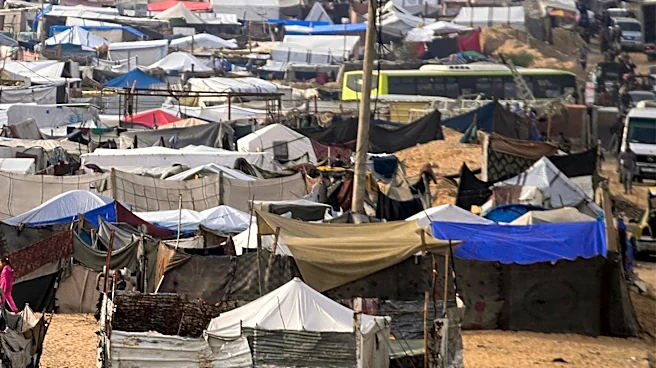
reportedly drowning and five displaced individuals, including three children and two women, killed when a sand dune collapsed on their tents. Over 26,000 households appealed for support due to damaged shelters or belongings, and an estimated 600 households were re-displaced. Humanitarian partners reported being overwhelmed by the volume of appeals, as many of the 1.4 million people living in tents or makeshift shelters were highly vulnerable. The heavy rains also affected community kitchens, leading to a temporary 50% reduction in meal production for some, and delayed food deliveries due to damaged roads and vehicle shortages. Health facilities experienced leaks and flooding, disrupting services and exacerbating existing medicine shortages. Mine Action partners highlighted increased risks from exposed or displaced explosive ordnance due to flooding.
Why It's Important?
The heavy rains in the Gaza Strip underscore the extreme vulnerability of its population, particularly those displaced and living in temporary shelters. The disruption of humanitarian aid, including food distribution and medical services, deepens the ongoing crisis and poses immediate threats to life and health. The damage to infrastructure, including roads and drainage systems, further impedes relief efforts and prolongs suffering. The reported deaths and injuries highlight the precarious living conditions and the urgent need for more robust and resilient humanitarian infrastructure. The increased risk from explosive ordnance due to flooding adds another layer of danger for both civilians and aid workers. This situation emphasizes the critical need for sustained international support and unimpeded access for humanitarian supplies to prevent further loss of life and mitigate the long-term consequences of the conflict and environmental challenges.
What's Next?
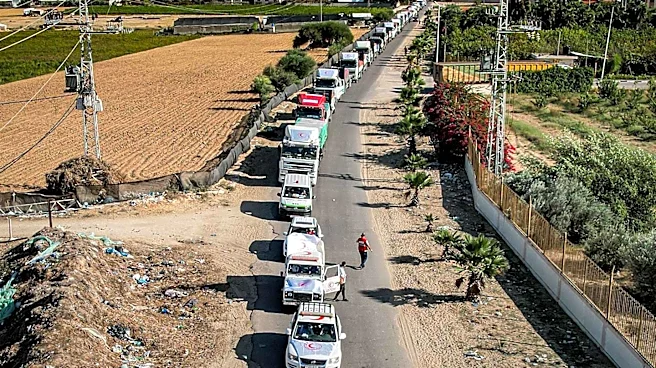
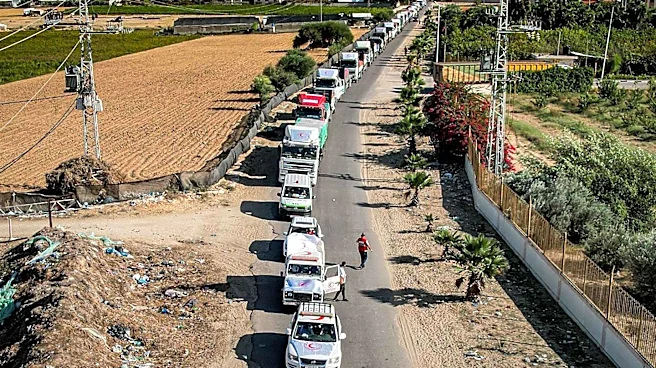
Humanitarian partners are urgently appealing for more Israeli approvals to bring critical supplies into Gaza, including shelter items, engine oil, spare parts, and heavy machinery, along with increased funding. Efforts are underway to assess needs, distribute emergency supplies, and support affected individuals, but stocks of tents, tarpaulins, blankets, and clothes inside Gaza are nearly exhausted. Over 150,000 tents and other essential items are awaiting dispatch outside Gaza, including 117,000 tents from the Egyptian Relief Committee alone. The Civil Defense is calling for winter rescue equipment, plastic sheeting, tents, and prefabricated mobile shelters. Partners are working to dewater affected sites, clear solid waste, and unblock sewage lines to address public health risks. Surveillance for acute watery diarrhea, respiratory infections, skin infections, and acute jaundice syndrome is being strengthened in anticipation of higher caseloads.
Beyond the Headlines
The impact of the heavy rains in Gaza extends beyond immediate humanitarian concerns, revealing deeper systemic issues. The pre-existing Israeli restrictions on the entry of supplies and equipment, coupled with funding shortfalls, severely hampered preparedness efforts for the rainy season, leaving the population highly exposed. The inability of Palestinians to voluntarily relocate to safer areas due to access restrictions further exacerbates their vulnerability. This event highlights the complex interplay of conflict, environmental factors, and political constraints that collectively create a catastrophic humanitarian situation. The long-term implications include increased health crises, prolonged displacement, and a further erosion of the social and economic fabric of Gaza, underscoring the need for comprehensive and sustainable solutions that address both immediate needs and underlying causes of vulnerability.