






What's Happening?
A recent survey conducted by Talker Research on behalf of the Idaho Potato Commission has highlighted significant shifts in American grocery shopping habits due to rising food costs. The survey, which included 2,000 participants, found that a third of Americans
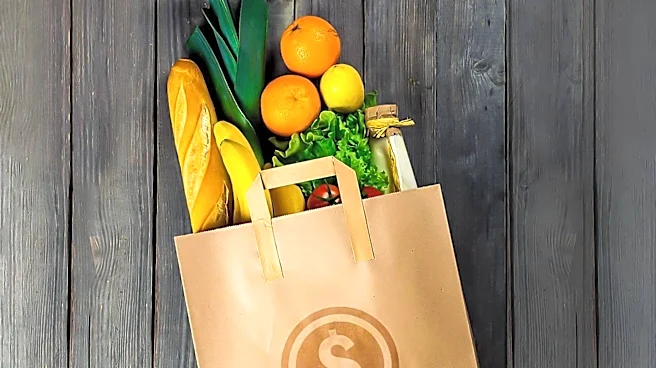
are cooking at home more frequently than a year ago, driven by tighter budgets. Respondents indicated that a $100 grocery budget now covers fewer meals than expected, with meat and poultry taking up the largest portion of their spending. The survey also revealed that minimizing food waste, shelf life, and nutritional value are top considerations for consumers. Potatoes emerged as a versatile staple, with 40% of respondents acknowledging their adaptability across meals. The findings suggest a growing trend towards selecting ingredients that can be used in multiple dishes, with potatoes, eggs, rice, and pasta being popular choices.
Why It's Important?
The survey's findings underscore a broader economic impact on American households, as rising grocery prices force consumers to rethink their purchasing decisions. This shift towards more versatile and cost-effective ingredients reflects a need for financial prudence amid economic uncertainty. The increased reliance on staple foods like potatoes highlights a potential shift in dietary patterns, with consumers prioritizing affordability and versatility. This trend could influence food manufacturers and retailers to adjust their offerings to meet changing consumer demands. Additionally, the emphasis on minimizing food waste and maximizing nutritional value aligns with broader sustainability goals, potentially driving innovation in food production and packaging.
What's Next?
As consumers continue to adapt to economic pressures, it is likely that the demand for versatile and affordable food options will persist. Retailers and food producers may respond by expanding their product lines to include more budget-friendly and multi-use ingredients. This could also lead to increased marketing efforts highlighting the versatility and nutritional benefits of certain foods. Policymakers and industry leaders might explore initiatives to support consumers facing food insecurity, such as subsidies or educational programs on cost-effective meal planning. The ongoing economic situation will likely keep grocery budgets and food choices at the forefront of public discourse.