






What's Happening?
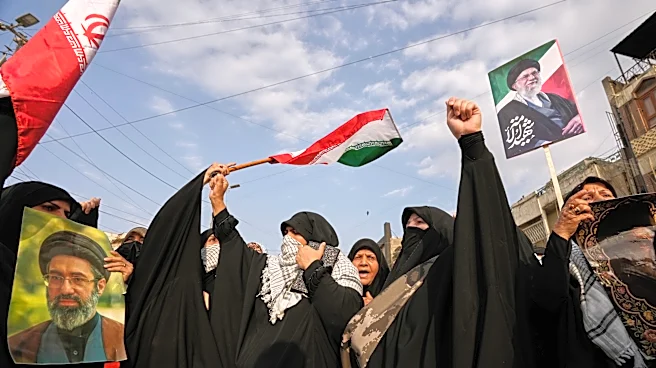
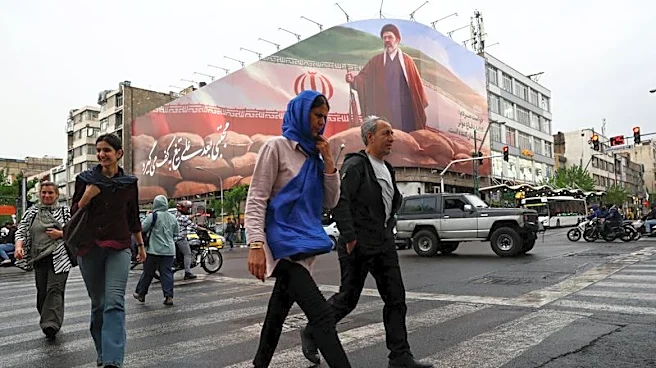
Efforts to negotiate peace between the United States and Iran have reached a deadlock, with both nations showing no signs of compromise. Despite intense regional diplomatic activity, including talks in Pakistan and Oman, the conflict remains unresolved.
Iran's Foreign Minister Abbas Araghchi has expressed skepticism about the US's intentions, while President Trump canceled a planned visit to Pakistan by his envoys, citing inadequate Iranian offers. The US has extended a ceasefire but continues to blockade Iranian shipping, leading to soaring global oil prices. Iran's Revolutionary Guard Corps remains firm on maintaining control over the Strait of Hormuz, a critical passage for global oil supplies.
Why It's Important?
The ongoing conflict between the US and Iran has significant implications for global economic stability, particularly due to the strategic importance of the Strait of Hormuz. The blockade has led to increased oil prices, which could trigger a global economic downturn. The situation also affects US domestic politics, as rising fuel prices may pressure President Trump ahead of the midterm elections. The deadlock in negotiations highlights the challenges in achieving diplomatic resolutions in the Middle East, with potential consequences for regional security and international relations.
What's Next?
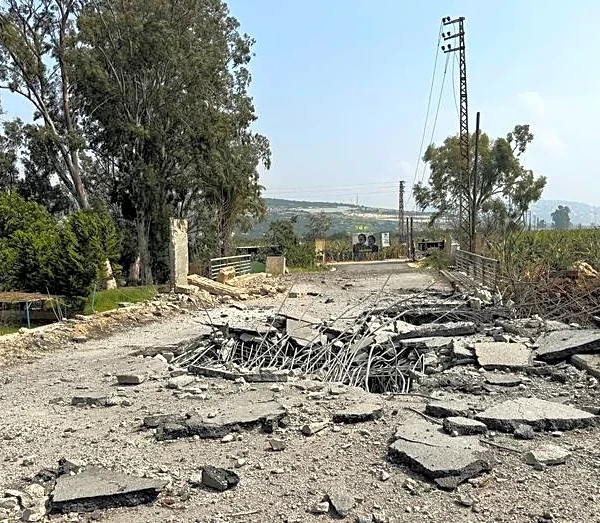
The continuation of the US blockade and Iran's control over the Strait of Hormuz suggests prolonged tensions, with potential for further escalation. Diplomatic efforts may continue, but significant concessions from either side seem unlikely in the near term. The US may face increasing domestic pressure to resolve the conflict due to economic impacts, while Iran remains steadfast in its strategic goals. The fragile ceasefire in Lebanon adds another layer of complexity, with potential for renewed violence affecting regional stability.
Beyond the Headlines
The conflict underscores the geopolitical complexities of the Middle East, where historical rivalries and strategic interests often hinder diplomatic progress. The situation raises ethical questions about the use of economic sanctions and military blockades as tools of foreign policy. Long-term implications include shifts in global energy markets and potential realignments in regional alliances, as countries navigate the consequences of US-Iran tensions.