




What's Happening?
U.S. Rep. Byron Donalds has won the Florida Republican gubernatorial primary, securing President Trump's endorsement. His victory comes amidst growing public and political concern over AI data centers, which became a central issue in the primary. Donalds himself
introduced the 'Protecting Ratepayers Act,' aimed at ensuring private developers, not taxpayers, bear the investment costs of data center developments. This legislative move is notable given that Donalds has received significant financial support from AI PACs, such as Leading the Future. The issue of AI data centers, particularly their water and electricity consumption, is emerging as a bipartisan rallying cry across several states, influencing elections and leading to new regulatory measures, such as Pennsylvania Governor Josh Shapiro's executive order imposing harsh standards on data center development.
Why It's Important?
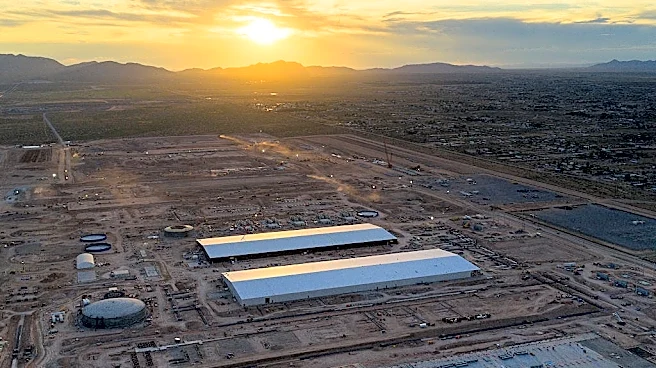
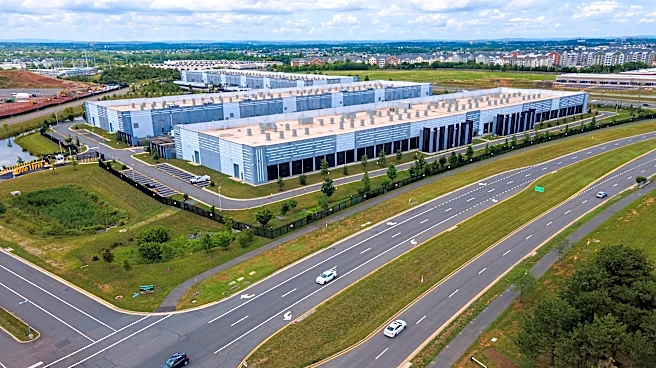
The prominence of AI data centers as a campaign issue in the Florida gubernatorial primary, and U.S. Rep. Byron Donalds' legislative response to it, highlights a significant emerging challenge for the technology industry and policymakers. The rapid expansion of AI data centers, with their substantial demands for water and electricity, is generating public backlash due to concerns about increased utility costs and environmental impact. This sentiment is transforming data centers into a 'sleeper issue' in midterm elections, as noted by the National Republican Senatorial Committee. The bipartisan nature of this opposition, as seen in both Republican and Democratic-led states, indicates that the economic and environmental implications of AI infrastructure are resonating widely with voters. This could lead to more stringent regulations and a re-evaluation of incentives for tech development, potentially impacting the growth trajectory of the AI industry in the U.S. and shifting investment patterns.
What's Next?
Following U.S. Rep. Byron Donalds' primary win, the debate surrounding AI data centers is expected to intensify, particularly as he advances to the general election for Florida governor. His 'Protecting Ratepayers Act' will likely be a key talking point, and the broader issue of data center regulation will remain a significant concern for voters and policymakers. Other states, like Pennsylvania and Texas, are already implementing or considering new standards for data center development, suggesting a national trend towards increased oversight. The tech industry will likely face growing pressure to address public concerns regarding resource consumption and community impact. This could lead to industry-led initiatives for more sustainable practices or proactive engagement with local communities to mitigate negative perceptions. The outcome of the Florida gubernatorial election and similar races across the country will indicate the extent to which this issue will shape future legislative and regulatory landscapes.
Beyond the Headlines
The controversy surrounding AI data centers, as evidenced by U.S. Rep. Byron Donalds' actions and the broader political discourse, reveals a deeper societal tension between technological advancement and environmental/economic sustainability. The public's growing antipathy towards AI, linked to concerns about job displacement and resource strain, suggests a potential shift in how technological progress is perceived. This could lead to a re-evaluation of the 'move fast and break things' ethos often associated with the tech industry. The satirical ad campaign by Liquid Death and Garage Beer, using humor to highlight water usage, underscores how deeply these concerns are penetrating popular culture. This evolving sentiment could trigger a more profound discussion about the ethical responsibilities of tech companies, the role of government in regulating emerging technologies, and the need for a more balanced approach to innovation that considers its broader societal and environmental footprint. The long-term implications could include a push for 'green AI' and more localized, community-centric tech development models.