




What's Happening?
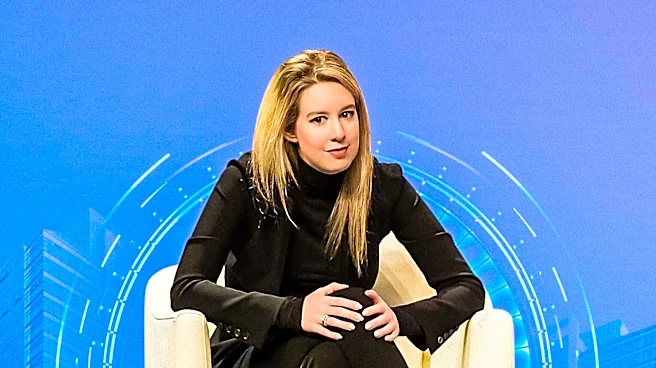
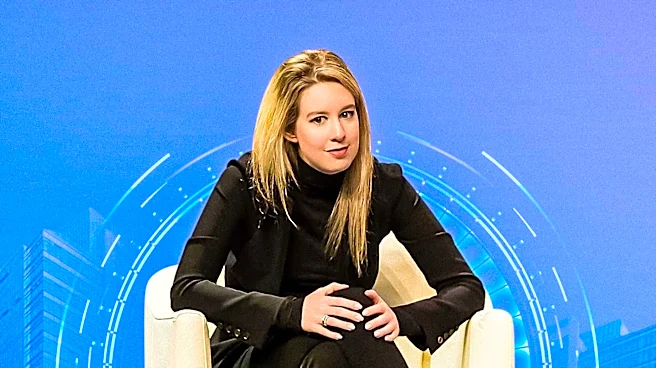
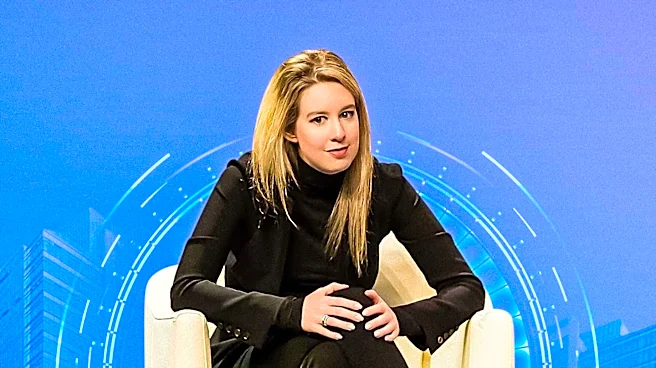
Oscar-winning documentary filmmaker Errol Morris has revealed he possesses a two-hour interview with Elizabeth Holmes, conducted at the height of her success with Theranos, which has never been publicly released. Morris, known for films like 'The Thin
Blue Line,' was hired by Holmes in 2015 to direct commercials for Theranos, a period when she was widely celebrated. He stated that he had no reason to suspect fraud at that time. Morris attempted for several years to make a documentary about Holmes, but legal issues surrounding her indictment and litigation prevented it. He recently watched his unreleased interview and is now contemplating releasing it as an unedited film. Morris expressed his interest in exploring the psychology of self-deception, questioning the extent to which Holmes believed in her own claims, drawing a comparison to Joan of Arc's self-belief. He believes the interview could offer a unique comparison of Holmes before and after her downfall.
Why It's Important?
The potential release of Errol Morris's two-hour interview with Elizabeth Holmes holds significant importance for understanding one of the most prominent corporate fraud cases in recent U.S. history. This unseen footage could offer unprecedented insights into Holmes's mindset and demeanor during her peak, providing a direct contrast to her public image after the Theranos collapse. For legal scholars, journalists, and the public, it could shed light on the psychological aspects of corporate deception and the mechanisms of self-delusion. Morris's focus on 'self-deception' rather than just 'knowing fraud' introduces a nuanced perspective that could deepen the ongoing debate about accountability in Silicon Valley. The interview's timing, before the full extent of the fraud was revealed, makes it a unique historical document that could contribute to a more comprehensive understanding of the Theranos saga and its broader implications for business ethics and regulatory oversight.
What's Next?
Errol Morris is currently considering the release of his two-hour interview with Elizabeth Holmes. If released, this footage would likely generate considerable public and media attention, offering a fresh perspective on Holmes's character and the Theranos narrative. It could prompt renewed discussions about the nature of truth, deception, and the cult of personality in the tech industry. The interview's content might also influence how future documentaries and analyses portray Holmes, potentially shifting the focus from purely criminal intent to the complexities of self-belief and delusion. The decision to release the interview will likely involve careful consideration of its ethical implications and its potential impact on the ongoing public discourse surrounding the Theranos scandal and corporate accountability.
Beyond the Headlines
Morris's contemplation of releasing the interview delves into profound questions about the nature of truth, perception, and the human capacity for self-deception. His comparison of Holmes to Joan of Arc, while not equating their actions, highlights a shared element of unwavering belief in their own narratives, regardless of external realities. This perspective challenges the simplistic 'guilty or innocent' dichotomy often applied to such cases, inviting a deeper psychological examination. The interview could serve as a case study in how charismatic leaders can cultivate belief, both in themselves and in others, even when their ventures are built on falsehoods. Furthermore, it underscores the ethical responsibilities of filmmakers and media professionals in presenting complex narratives, particularly when dealing with individuals who have been convicted of crimes, and the potential for such content to shape public understanding of justice and human behavior.