




What's Happening?
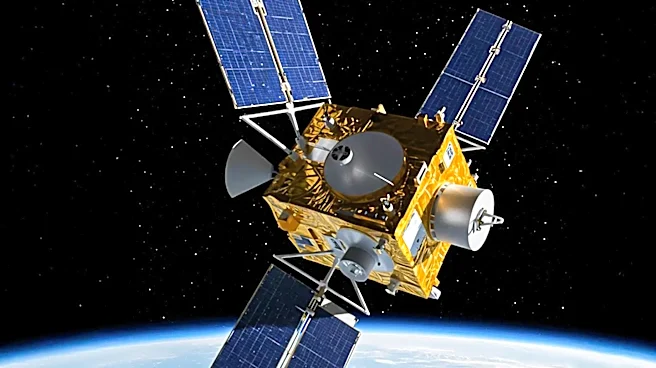
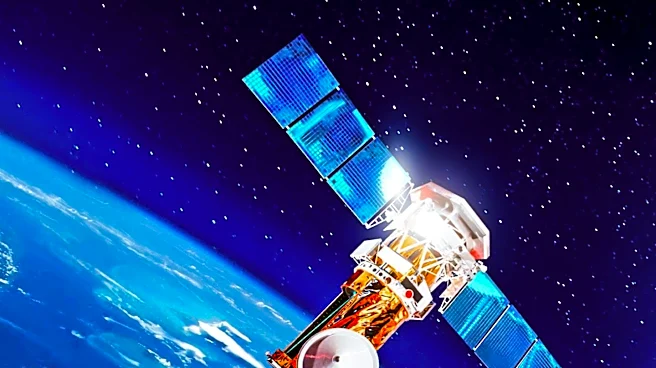
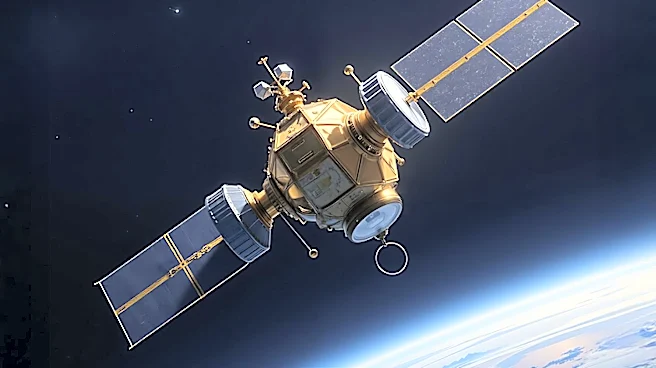
The European Space Agency's HydroGNSS mission, consisting of two satellites, has commenced full scientific operations. Launched in November 2025, the mission uses Global Navigation Satellite System Reflectometry (GNSS-R) to observe hydrological variables
such as soil moisture, wetlands, and freeze-thaw dynamics. The data collected is now available to researchers worldwide, providing insights into water availability and the impacts of climate change. The mission exemplifies a New Space approach, focusing on rapid and cost-effective development of innovative satellite technologies.
Why It's Important?
The HydroGNSS mission represents a significant advancement in Earth observation, offering new tools to study the global water cycle and its response to climate change. By providing detailed data on hydrological variables, the mission supports research that can inform water management policies and climate adaptation strategies. This is crucial as water scarcity and climate change pose increasing challenges globally. The mission also highlights the potential of GNSS-R technology in environmental monitoring, paving the way for future innovations in satellite-based Earth observation.
What's Next?
With the HydroGNSS data now available, researchers can begin analyzing the information to gain new insights into Earth's water systems. This could lead to improved models for predicting water availability and understanding the effects of climate change on hydrological processes. The success of the HydroGNSS mission may also encourage the development of similar satellite missions, further enhancing our ability to monitor and respond to environmental changes.