







What's Happening?
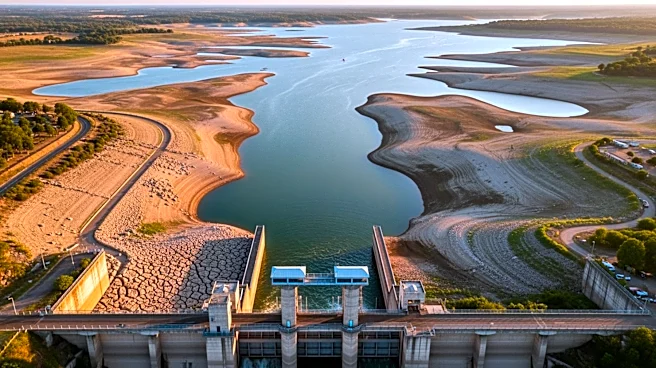
Federal water managers have initiated emergency measures to address critically low water levels at Lake Powell, the second-largest reservoir in the United States. The U.S. Bureau of Reclamation (USBR) has ordered the transfer of water from the upstream
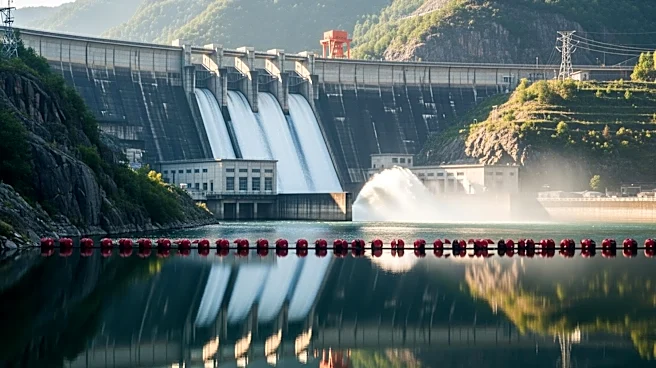
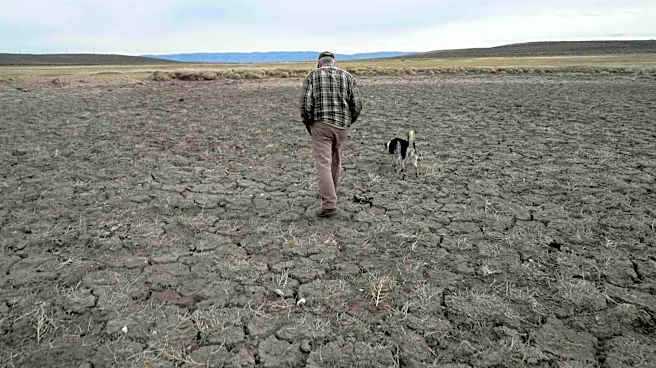
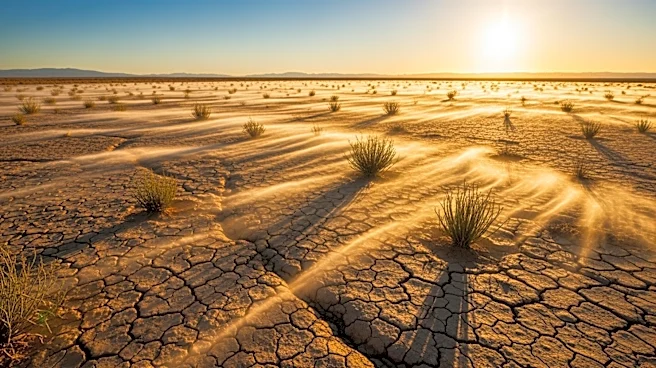
Flaming Gorge reservoir and reduced water releases to Lake Mead. This action comes in response to a record-low snowpack and prolonged drought conditions affecting the Colorado River Basin. Lake Powell's water levels are nearing a threshold that could jeopardize hydropower production at the Glen Canyon Dam and disrupt water deliveries to California, Arizona, and Nevada. The USBR has reported that the Colorado River system's storage capacity has been reduced to approximately 36 percent, highlighting the urgent need for intervention to protect water and power infrastructure that serves over 40 million people.
Why It's Important?
The emergency measures taken by the USBR are crucial for maintaining the stability of the Western U.S. water supply and power grid. The Colorado River system is a vital resource, irrigating over 5 million acres of farmland and providing water to tens of millions of residents. The potential decline in Lake Powell's water levels below the minimum power pool level could lead to significant operational challenges, including reduced power generation and instability in regional water supplies. The actions taken aim to prevent these outcomes by raising Lake Powell's elevation and ensuring continued hydropower production. However, these measures may also lead to reduced water levels at Lake Mead, potentially impacting Hoover Dam's power generation capacity and affecting recreational activities in the region.
What's Next?
The USBR plans to continue monitoring the situation closely and adjust water management strategies as needed. The proposed reductions in water releases from Lake Powell are expected to accelerate the decline of water levels at Lake Mead, which could further impact hydropower generation at Hoover Dam. Additionally, the initial drought response measures may lead to earlier seasonal limits on recreational activities such as boating, rafting, and fishing in affected areas. Stakeholders, including state governments and water management agencies, will likely need to collaborate on long-term solutions to address the ongoing drought and its implications for water and power resources in the Western U.S.