

What's Happening?
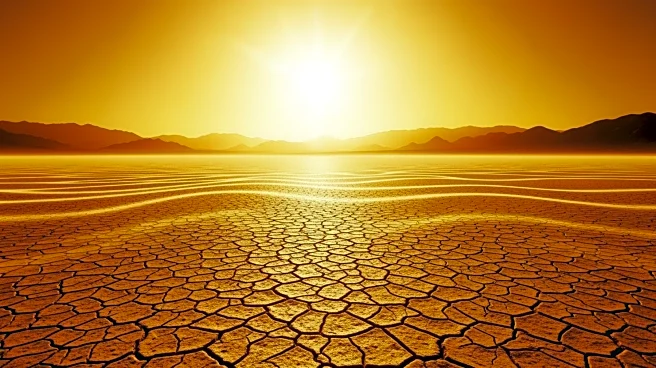
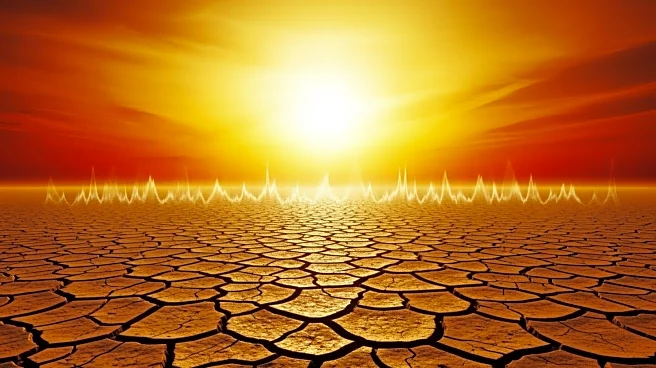
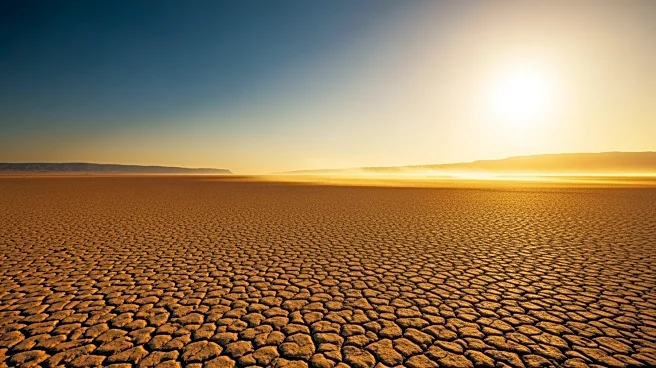
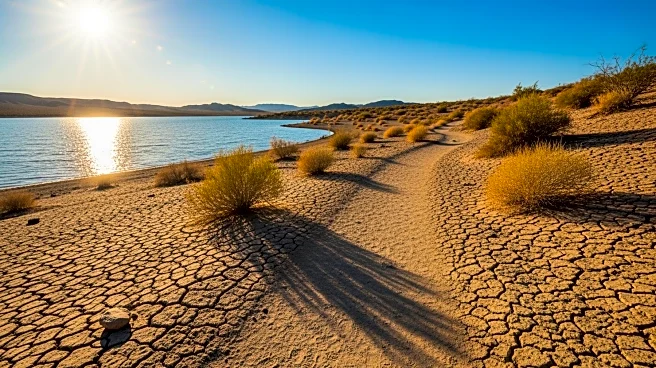
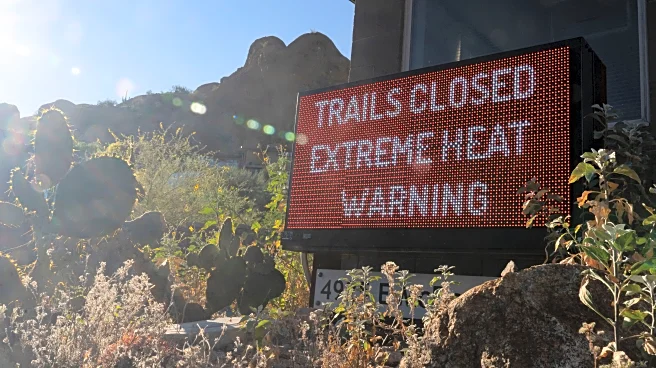
The National Weather Service has issued an Extreme Heat Warning for parts of California, Arizona, and Nevada as record-breaking temperatures hit the Southwest. The Yuma Desert in Arizona recorded 112 degrees Fahrenheit, the highest March temperature ever
in the U.S. This heatwave, attributed to human-caused climate change, is expected to continue with temperatures above 100 degrees in several areas. The warning advises residents to stay indoors, hydrate, and avoid outdoor activities during peak heat hours. The heatwave is a stark indicator of shifting climate patterns, with experts predicting hotter than normal conditions for April, May, and June.
Why It's Important?
This unprecedented heatwave highlights the growing impact of climate change on weather patterns, posing significant risks to public health and safety. The extreme temperatures increase the likelihood of heat-related illnesses, particularly affecting vulnerable populations such as the elderly and those without air conditioning. The heat also raises concerns about increased wildfire risks, especially in regions already prone to such events. The situation underscores the urgent need for climate adaptation strategies and public awareness to mitigate the effects of extreme weather conditions.
What's Next?
As the heatwave continues, authorities are likely to maintain or extend warnings and advisories. Emergency services may prepare for increased demand due to heat-related health issues. Long-term, this event may prompt discussions on climate policy and infrastructure improvements to better handle extreme weather. Public health campaigns may intensify to educate communities on heat safety measures. The ongoing situation could also influence future climate research and policy-making at both state and national levels.