



What's Happening?
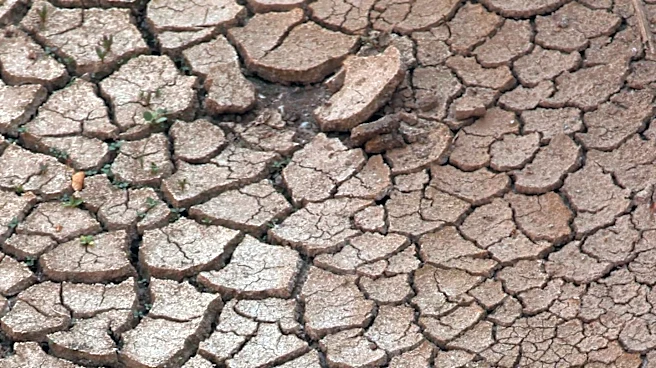
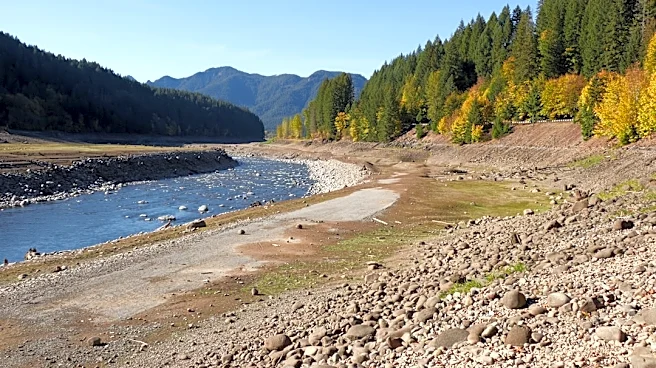
The United States Department of Agriculture (USDA) has officially designated Baker County, Oregon, as a natural disaster area. This designation is a direct response to severe drought conditions experienced in the region. According to the U.S. Drought
Monitor, Baker County, along with contiguous counties such as Grant, Malheur, Union, and Wallowa, suffered from a drought intensity value of D2 (Severe Drought) for eight or more consecutive weeks, or D3 (Extreme Drought) or D4 (Exceptional Drought) during the growing season. This Secretarial natural disaster designation enables the USDA Farm Service Agency (FSA) to provide emergency credit to agricultural producers in the affected areas. These emergency loans are intended to help farmers and ranchers recover from losses, including the replacement of essential items like equipment or livestock, reorganization of farming operations, or refinancing certain debts. The FSA will evaluate loan applications based on the extent of losses, available security, and repayment ability. The application deadline for these emergency loans is May 10, 2027.
Why It's Important?
This designation is crucial for the agricultural sector in Baker County and surrounding areas, as it provides a vital financial lifeline to producers grappling with the economic fallout of prolonged drought. Drought conditions can severely impact crop yields, livestock health, and overall farm profitability, threatening the livelihoods of many agricultural businesses. The availability of emergency loans through the FSA helps mitigate these financial risks, preventing potential farm closures and ensuring the continuity of food production. By offering credit for essential replacements, operational reorganization, and debt refinancing, the USDA aims to stabilize the regional agricultural economy. This support is essential for maintaining the resilience of the U.S. food supply chain and protecting rural communities that depend heavily on agriculture. Without such interventions, the long-term economic consequences of natural disasters like drought could be far more devastating for individual farmers and the broader agricultural industry.
What's Next?
Agricultural producers in Baker County and the contiguous eligible counties now have until May 10, 2027, to apply for emergency loans through the USDA Farm Service Agency. Farmers and ranchers are encouraged to contact their local USDA Service Center to file a Notice of Loss and inquire about available programs. The FSA will review applications, assessing the extent of individual losses, the security offered, and the applicant's ability to repay the loan. Additionally, the USDA provides resources such as the Disaster Assistance Discovery Tool, a Disaster Assistance-at-a-Glance fact sheet, and a Loan Assistance Tool on farmers.gov to help producers determine their eligibility and explore various program or loan options. The focus will be on facilitating a smooth application process and ensuring that affected producers receive timely financial assistance to aid in their recovery and rebuild their operations.
Beyond the Headlines
The recurring need for natural disaster designations, particularly due to drought, highlights the increasing vulnerability of U.S. agriculture to climate-related challenges. This situation underscores the broader implications of climate change on food security and rural economies. Beyond immediate financial relief, there is a growing imperative for long-term strategies that enhance agricultural resilience, such as investing in drought-resistant crops, water conservation technologies, and diversified farming practices. The reliance on emergency aid, while critical in the short term, also points to the need for proactive measures and policy frameworks that support sustainable agricultural practices and climate adaptation. This event serves as a reminder that the economic stability of agricultural regions is intrinsically linked to environmental conditions, necessitating a comprehensive approach to disaster preparedness and climate resilience in the agricultural sector.