


What's Happening?
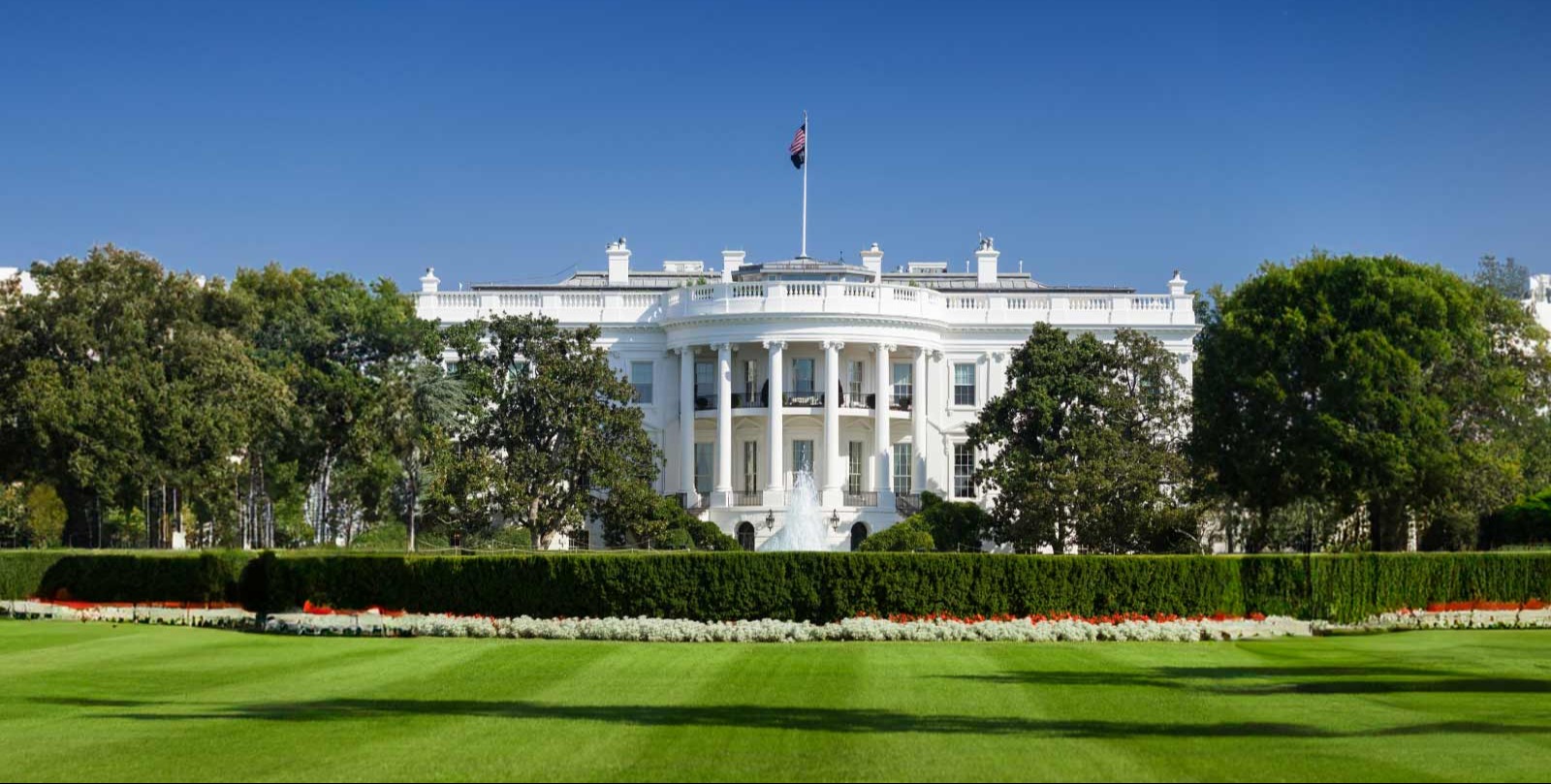
The U.S. dollar remains strong as traders anticipate a deadline set by President Trump for Iran to open the Persian Gulf to shipping. The deadline, set for 8 p.m. Eastern Time, comes amid heightened tensions in the Middle East, with the Strait of Hormuz
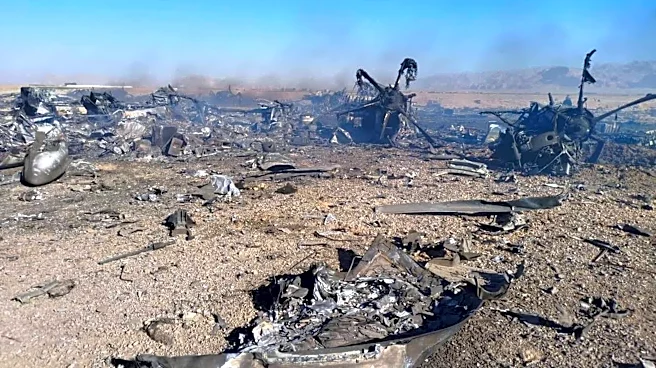
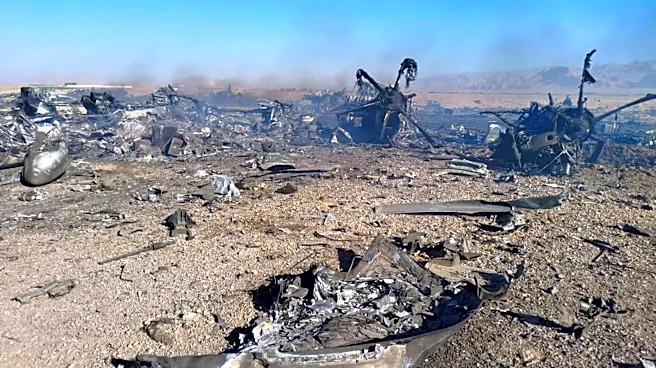
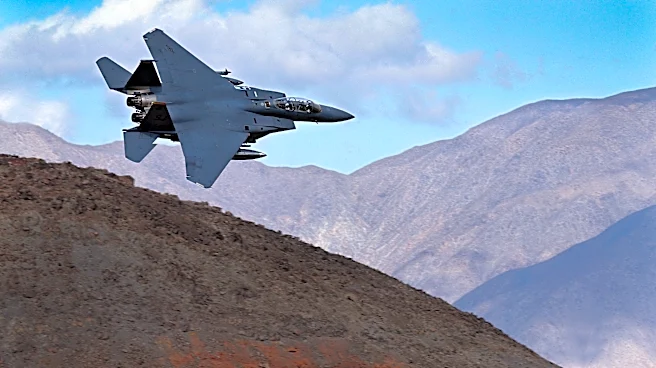
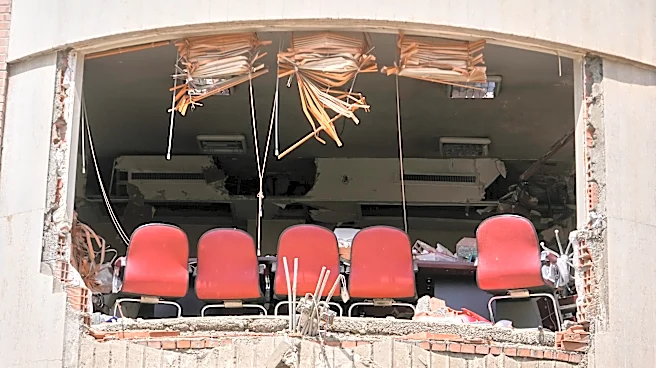
closed due to conflict. President Trump has threatened military action against Iran's infrastructure if the deadline is not met. The closure of the Gulf's chokepoint has led to soaring energy prices and increased demand for the dollar as a safe haven, particularly in Asia. The South Korean won and Indonesian rupiah have reached record lows, reflecting the economic impact of the ongoing conflict. Meanwhile, Israel has claimed responsibility for recent attacks on Iranian targets, further escalating the situation.
Why It's Important?
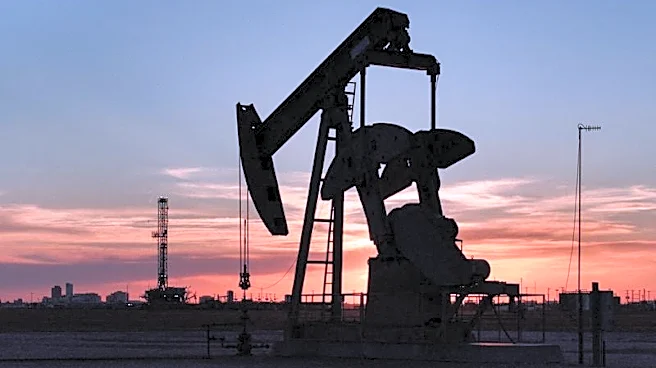
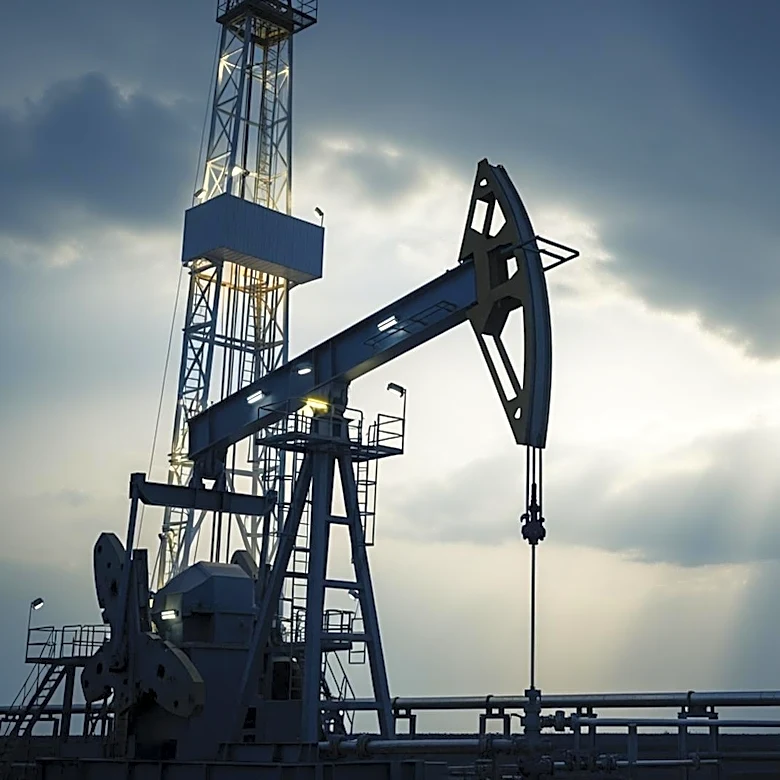
The closure of the Strait of Hormuz, a critical passage for global oil shipments, has significant implications for energy markets and international trade. The potential for military action by the U.S. could further destabilize the region, affecting global oil prices and economic stability. The strong dollar indicates investor confidence in the U.S. as a safe haven amidst geopolitical uncertainty. However, prolonged conflict could lead to broader economic repercussions, including increased costs for energy-dependent industries and potential disruptions in global supply chains. The situation also poses diplomatic challenges, as actions taken by the U.S. and its allies could impact international relations and future negotiations with Iran.
What's Next?
As the deadline approaches, stakeholders are closely monitoring the situation for potential military actions or diplomatic resolutions. The response from Iran and its allies will be crucial in determining the next steps. If the deadline passes without resolution, further escalation could occur, impacting global markets and international relations. Political leaders and businesses are likely to react to developments, with potential shifts in policy and strategy to mitigate risks associated with the conflict. The international community may also seek to intervene or mediate to prevent further destabilization in the region.
Beyond the Headlines
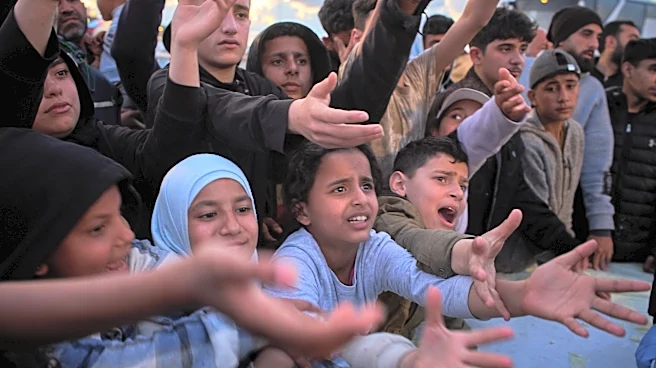
The ongoing conflict raises ethical and legal questions regarding military actions and their consequences on civilian populations. The threat of war crimes and the impact on human rights are critical considerations as the situation unfolds. Additionally, the long-term implications for regional stability and the balance of power in the Middle East are significant. The closure of the Strait of Hormuz highlights vulnerabilities in global energy infrastructure and the need for diversified energy sources to reduce dependency on volatile regions.