





What's Happening?
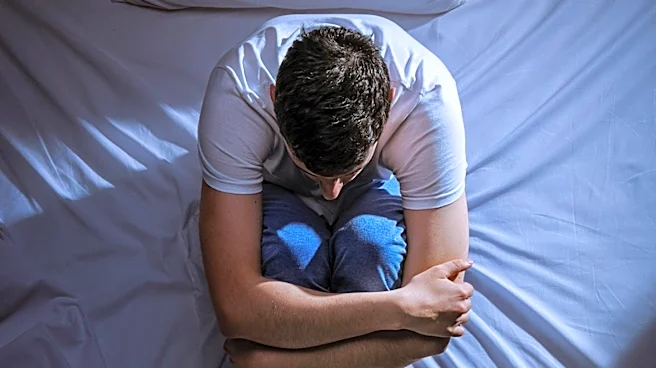
One in ten Utahns experiences seasonal affective disorder (SAD), a rate double the national average, according to Dr. Jason Hunziker, division chief of adult psychiatry at the University of Utah. Utah's latitude results in less sunlight, and the Wasatch
Front's inversions further reduce light exposure, prompting people to stay indoors. This lack of light disrupts the brain's interpretation of the environment and internal clocks. Young people, particularly around age 20, are more susceptible to SAD, possibly due to changes in behavior like increased indoor time. Dr. Hunziker emphasizes that SAD is treatable and individuals should not suffer through winter. Key recommendations include maximizing sunlight exposure by going outside in the morning, using 10,000-lux light boxes that filter UV light (with medical consultation), taking Vitamin D supplements if deficient, maintaining healthy habits like regular sleep and nutrition, and planning social interactions and enjoyable activities.
Why It's Important?
The elevated rates of seasonal depression in Utah highlight a significant public health concern, impacting mental well-being and potentially leading to severe outcomes, including suicide. This issue affects not only individuals but also communities, potentially leading to decreased productivity, increased healthcare costs, and strain on mental health services. For U.S. public health initiatives, understanding regional variations in mental health conditions like SAD is crucial for targeted interventions and resource allocation. The emphasis on accessible, non-pharmacological interventions such as sunlight exposure and lifestyle adjustments provides practical strategies for individuals to manage their symptoms, potentially reducing the burden on the healthcare system. Businesses in regions with high SAD rates might also consider implementing wellness programs that encourage outdoor activity and provide resources for mental health support.
What's Next?
Individuals experiencing symptoms of seasonal depression are advised to consult a doctor before using light boxes, especially if they have bipolar disorder or take light-sensitive medications. Continued public health campaigns will likely focus on educating residents in affected regions about SAD and its management strategies. Healthcare providers will continue to recommend a combination of lifestyle changes, light therapy, and potentially vitamin supplementation. The importance of social interaction and planning enjoyable activities will remain a key component of coping strategies. Further research may explore the specific genetic or environmental factors contributing to Utah's higher SAD rates, potentially leading to more tailored preventative measures.
Beyond the Headlines
The prevalence of SAD in Utah underscores the profound impact of environmental factors, specifically light exposure, on mental health. This issue extends beyond individual well-being to touch upon urban planning and architectural design, prompting considerations for maximizing natural light in homes and workplaces. It also highlights the broader societal challenge of addressing mental health stigma, encouraging open discussions and proactive seeking of help. The reliance on technology and indoor activities, particularly among younger generations, may exacerbate the problem, suggesting a need for greater emphasis on outdoor engagement and digital detox. Ultimately, addressing SAD requires a multi-faceted approach that integrates medical advice, lifestyle adjustments, and community support, fostering a more resilient and mentally healthy population.