



What's Happening?
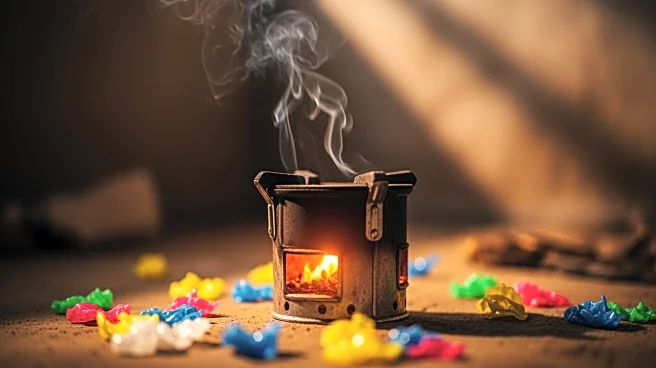
A study published in Nature highlights the prevalence of plastic waste being used as household fuel in low-income communities across the Global South. The study surveyed 1,018 key informants and found that plastic waste burning is a common practice due
to the lack of affordable clean fuels and inadequate waste management systems. The burning of plastic waste releases harmful toxins, posing significant health and environmental risks. The study indicates that this practice is more prevalent in low-income countries and is driven by the scarcity of traditional fuels and the high cost of clean energy alternatives.
Why It's Important?
The use of plastic waste as fuel in low-income communities underscores the urgent need for improved waste management and access to affordable clean energy. The practice contributes to poor urban air quality and poses health risks through the release of toxic emissions. It highlights the socio-economic challenges faced by these communities, where energy insecurity forces reliance on harmful practices. Addressing these issues is crucial for improving public health and environmental quality, and for achieving sustainable development goals related to clean energy and waste management.
What's Next?
The study calls for targeted policies and programs to mitigate the risks associated with plastic waste burning. Solutions include expanding waste management services, increasing access to clean energy technologies, and raising awareness about the health impacts of burning plastic. Regional variations in the prevalence of this practice suggest that localized strategies are necessary. The findings emphasize the importance of cross-cutting programs to improve waste management systems and expand access to affordable clean cooking solutions for low-income households.