





What's Happening?
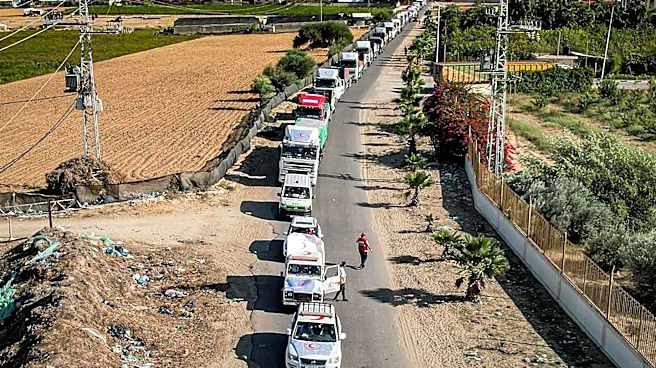
The Sudanese American Medical Professionals Association (SAPA) is actively engaged in providing healthcare, hunger relief, and clean water to communities in Sudan, which is grappling with a severe displacement and humanitarian crisis. According to data
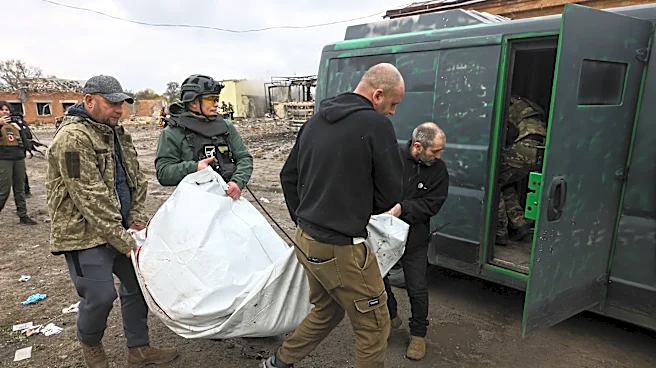
from the European Commission’s Emergency Response Coordination Centre (ERCC) for September 2026, over 8.5 million people are internally displaced within Sudan, and more than 4.6 million cross-border movements have been recorded. While the total number of internally displaced persons (IDPs) has decreased by 26% since January 2025, violence in regions like Darfur and Kordofan continues to force new displacements. Darfur alone hosts approximately 5.6 million IDPs, accounting for about 65% of the total. The crisis is exacerbated by an El Niño-driven drought affecting over half of Sudan, leading to high levels of acute food insecurity for nearly 19.5 million people, with 135,000 facing catastrophic conditions. The health system has also been severely impacted, with 228 attacks on healthcare facilities since April 2023, resulting in 37% of facilities being non-functional.
Why It's Important?
The ongoing crisis in Sudan presents a critical humanitarian challenge with far-reaching implications. The combination of conflict, widespread displacement, and severe drought has pushed millions to the brink of famine, particularly in Darfur and Kordofan. The collapse of the healthcare system, evidenced by numerous attacks and non-functional facilities, leaves a vast population without essential medical care, increasing mortality rates, especially among vulnerable groups like children. The large-scale displacement not only strains resources within Sudan but also impacts neighboring countries receiving refugees, many of which already face their own humanitarian challenges. The long-term stability and development of the region are severely threatened by the persistent violence and environmental degradation, necessitating sustained international attention and aid to prevent further deterioration and potential regional destabilization.
What's Next?
The immediate future for Sudan involves continued efforts by organizations like SAPA to address the urgent needs of displaced and food-insecure populations. The October 2026 IPC alert warns of a serious risk of famine in parts of Darfur and Kordofan through January 2027, indicating a critical period for intervention. Humanitarian agencies will likely focus on scaling up food assistance, providing emergency medical services, and ensuring access to clean water to mitigate the impact of drought and conflict. Additionally, there is a need for increased funding, as the WHO's appeal for $97.7 million is only 23% funded. The return of over 5.1 million people to their areas of origin since April 2023 highlights a need for rehabilitation and reconstruction efforts to provide basic services and livelihoods, as many returnees find damaged homes and limited resources.
Beyond the Headlines
The crisis in Sudan extends beyond immediate humanitarian needs, revealing deeper issues of governance, climate vulnerability, and regional stability. The persistent conflict underscores the fragility of political structures and the devastating impact of internal strife on civilian populations. The El Niño-driven drought highlights the increasing vulnerability of regions to climate change, exacerbating existing humanitarian crises and creating new challenges for food security and resource management. The displacement of millions and the strain on neighboring countries could lead to long-term demographic shifts and increased regional instability. Addressing these underlying issues requires not only humanitarian aid but also diplomatic efforts to foster peace, sustainable development initiatives to build resilience against climate shocks, and international cooperation to support host communities and facilitate safe returns.